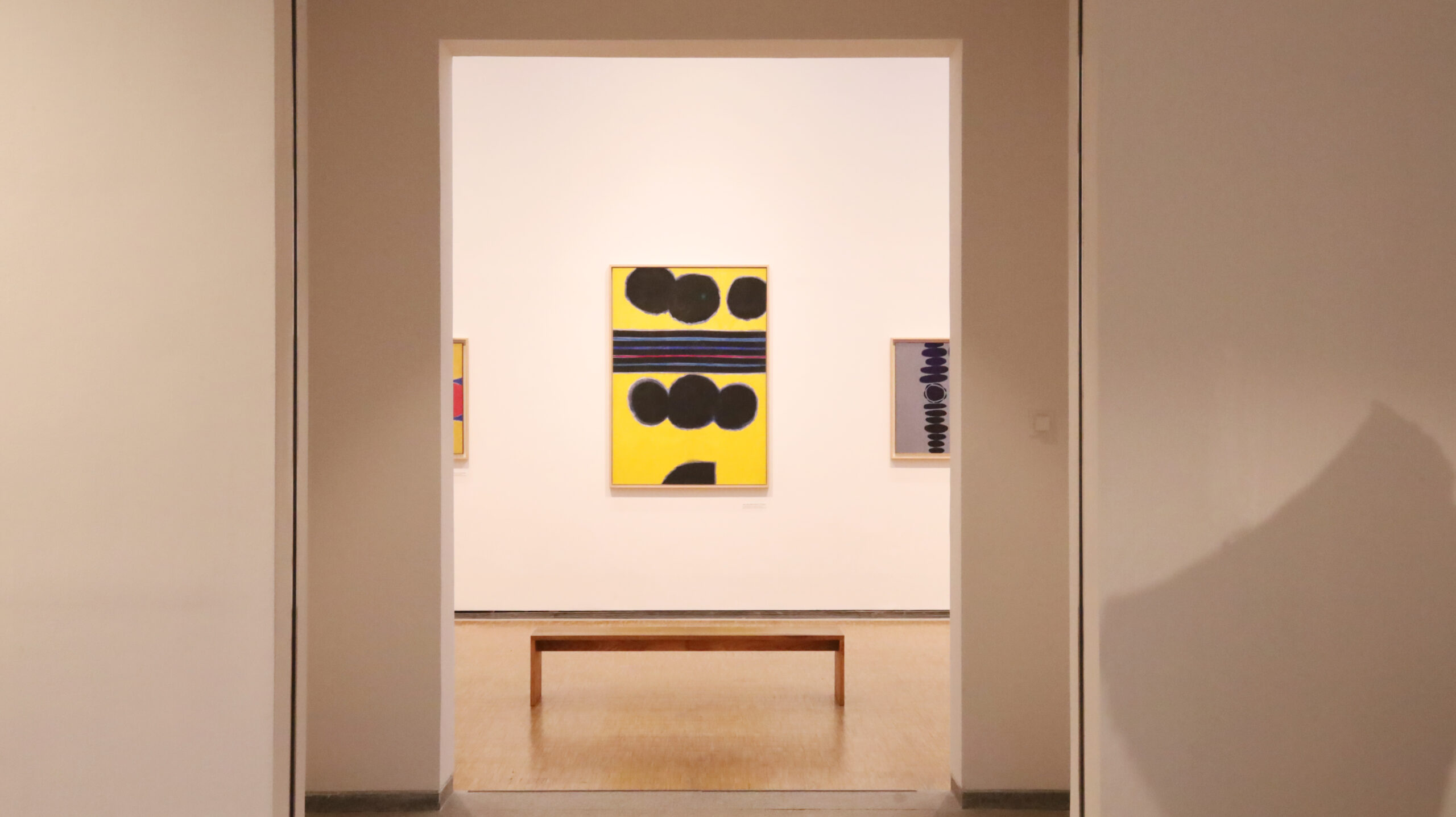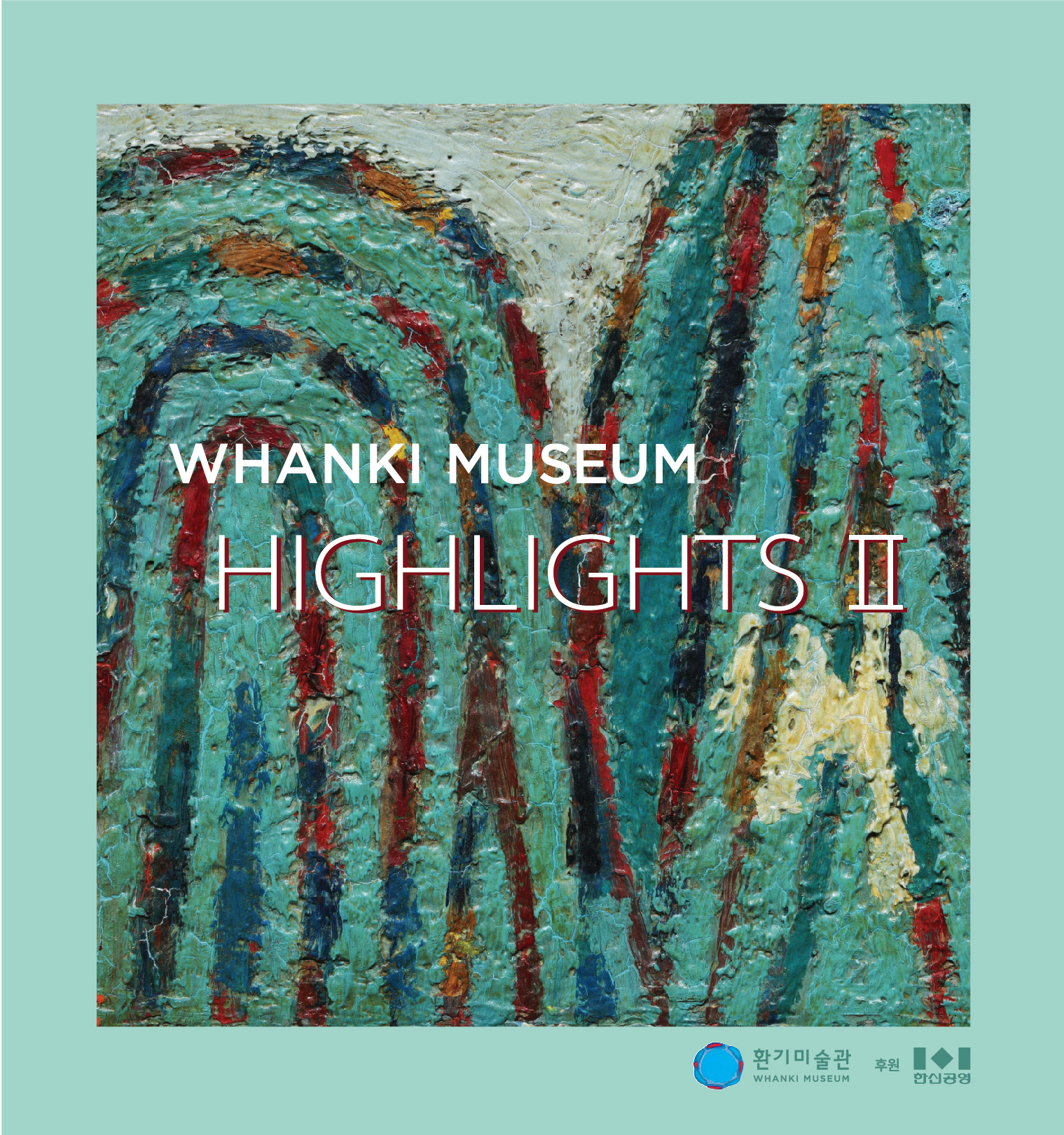
Whanki Museum Collection Special Exhibition
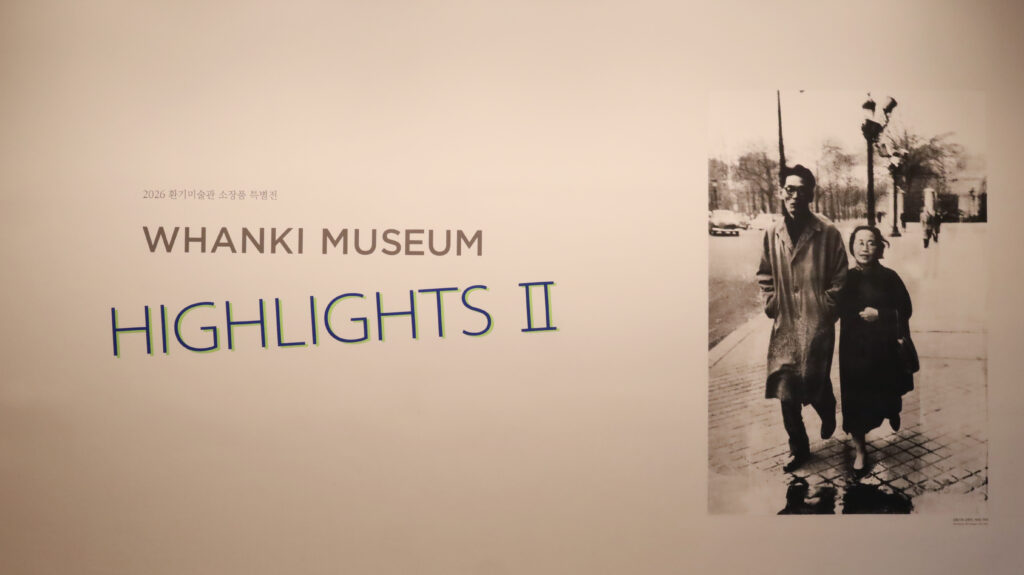
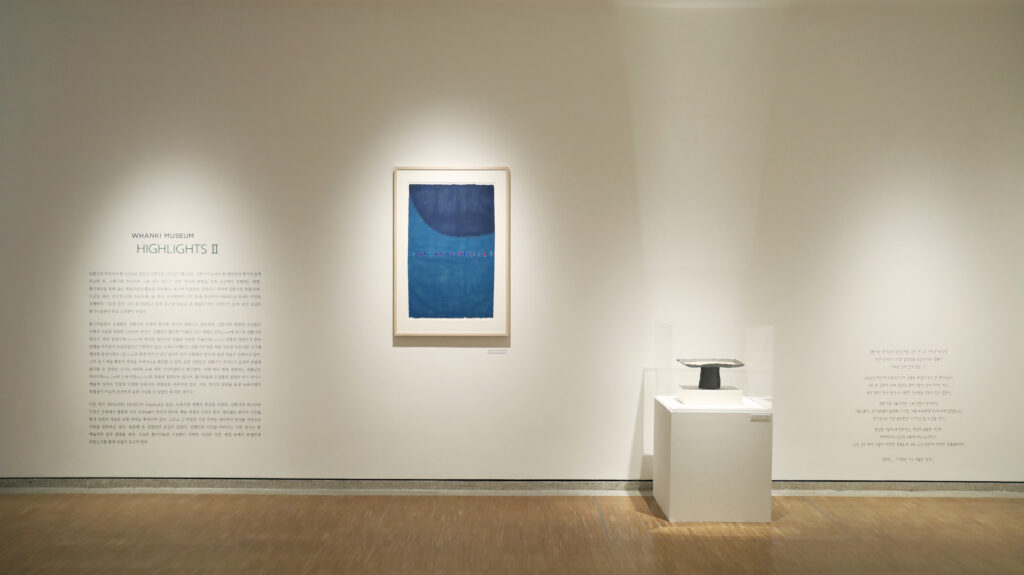
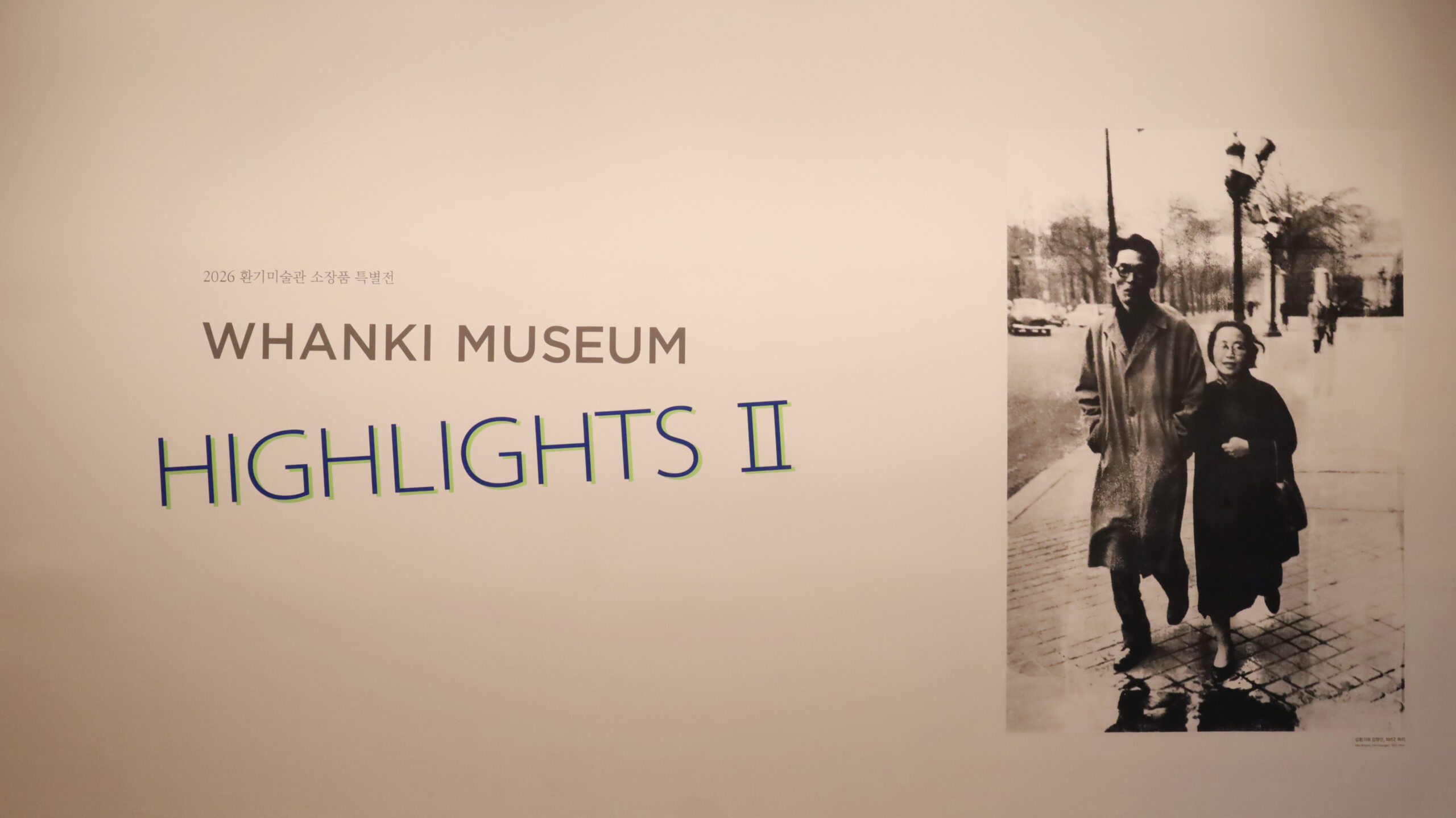
WHANKI MUSEUM Highlights 환기미술관 하이라이트 II
July 24 – September 30, 2026
I had an interesting idea.
We’d build a four-story house on our empty lot(Seogyo-dong, Seoul),
use two floors ourselves, and turn the other two into a private museum.
Let music students and unknown musicians give concerts there;
hold exhibitions with admission, publish picture postcards…
KIM Whanki, 1965
The Whanki Museum was our dream.
Twenty years later, I completed what Whanki had left unfinished.
The museum opened partially in 1992 and fully in 1993.
KIM HyangAn, Whanki Museum Opening Message, 1995
Kim Whanki died unexpectedly at a New York hospital on July 25, 1974. His wife, Kim HyangAn (1916–2004), who founded the Whanki Museum, spent the years after his death holding exhibitions and publishing books about him around the world, determined to see him properly recognized. She also supported young artists through the Foundation. To build the museum itself, she catalogued everything he’d left behind: his work, and separately his personal effects, writings, letters, and documentary photographs. All of it went to the museum. “Living twenty years alongside his other selves, I didn’t have room to feel lonely,” she once said. Those twenty-odd years of devotion are what became the Whanki Museum’s core collection.
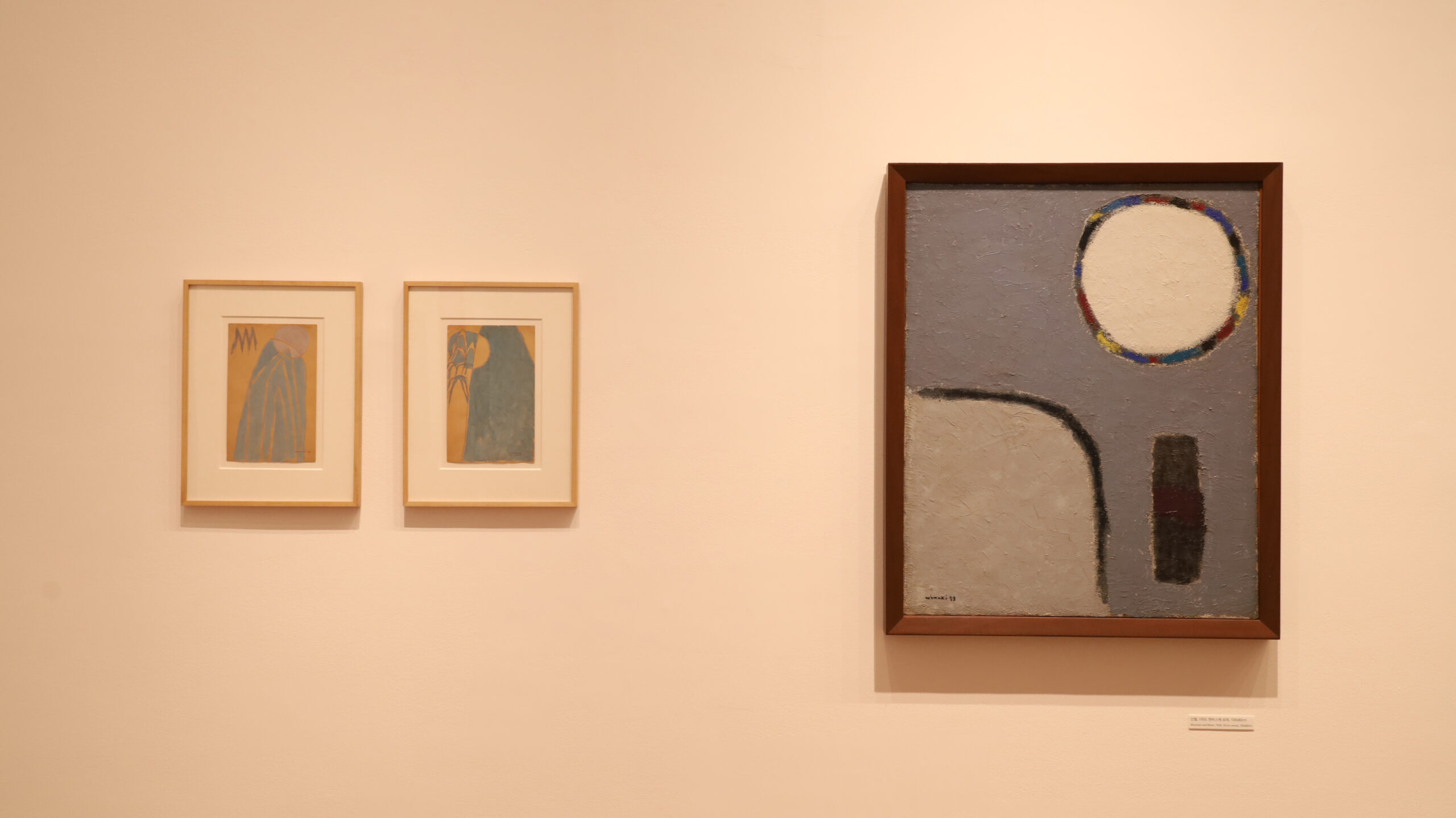
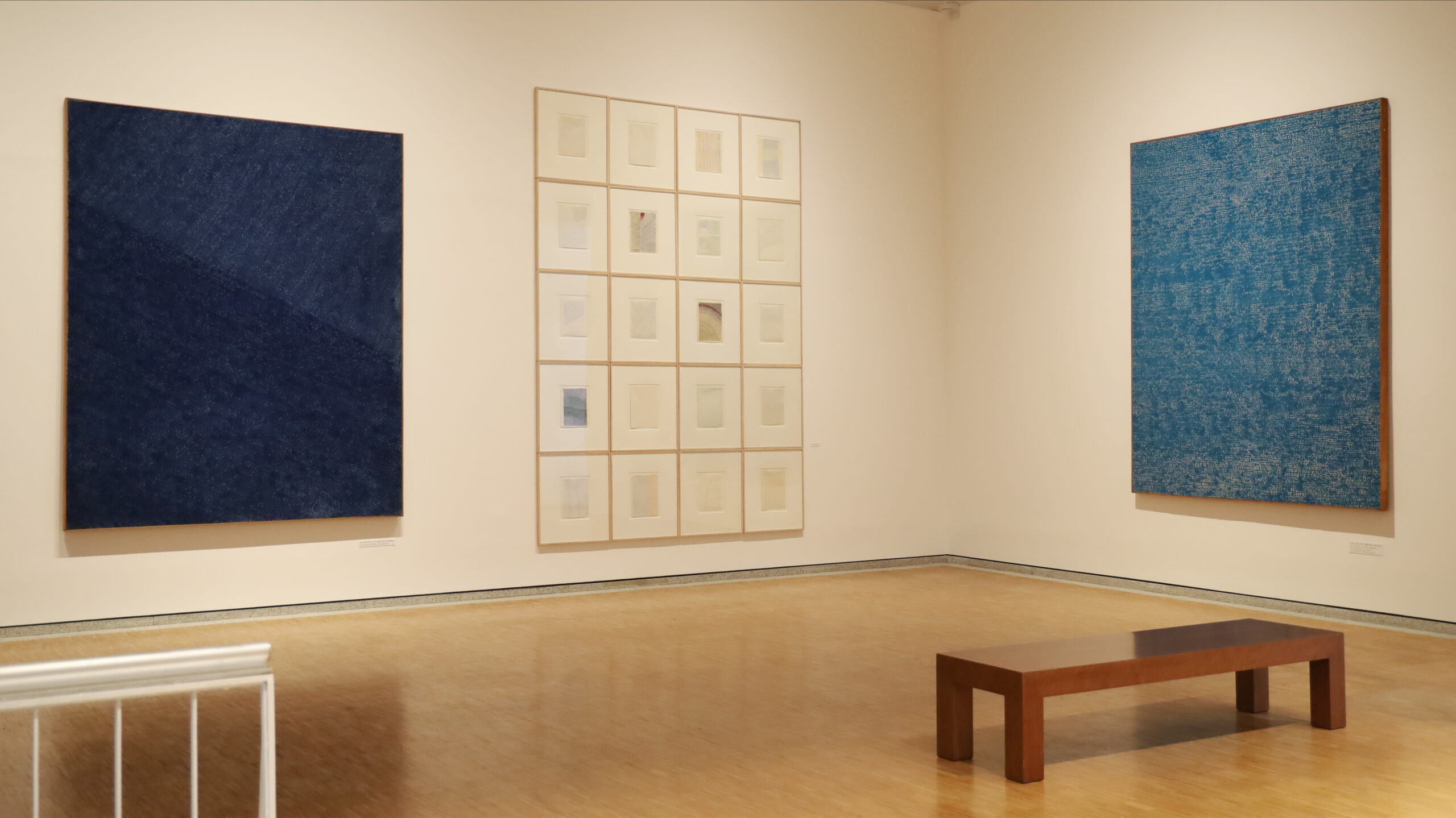
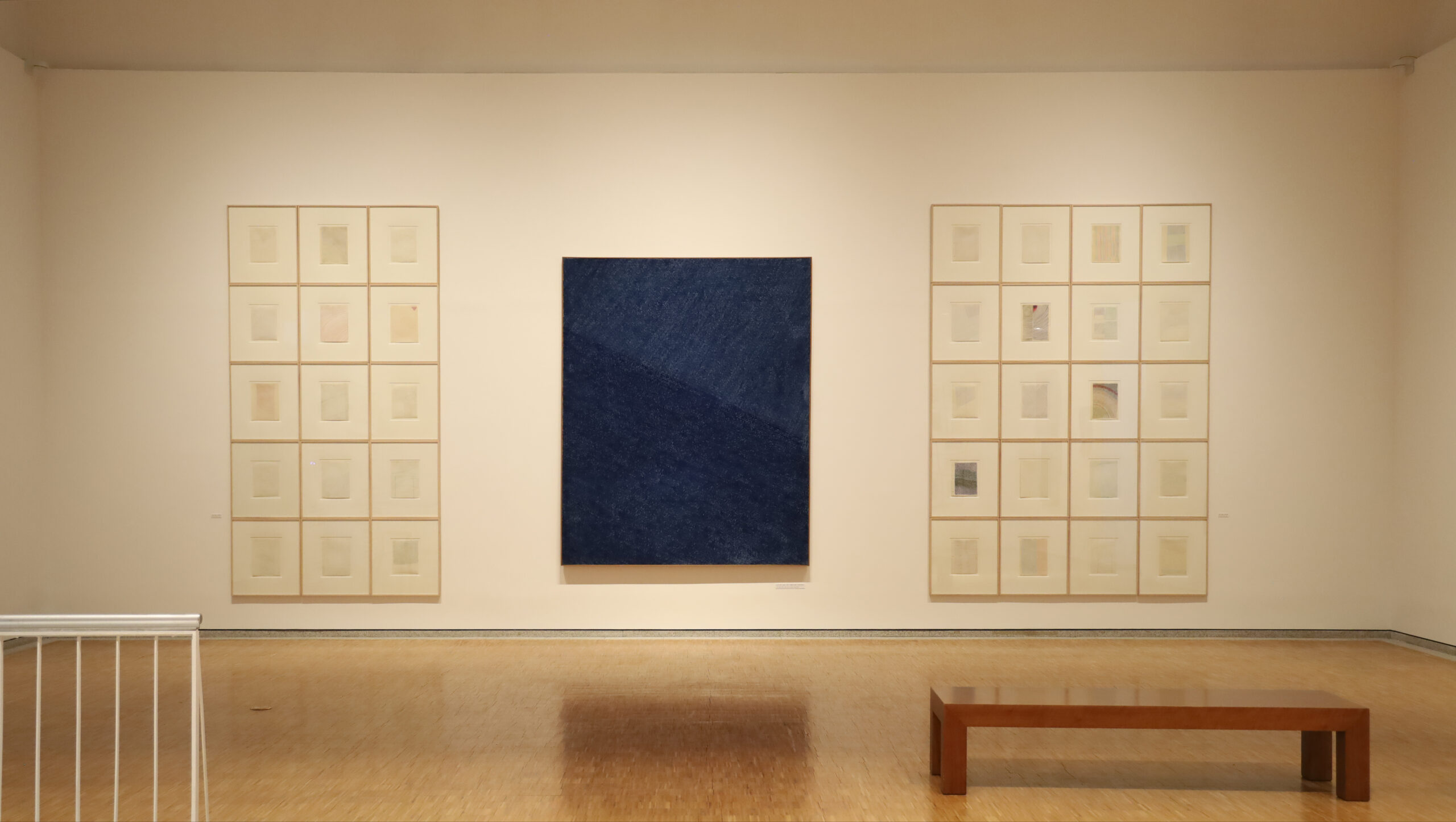
The Whanki Museum’s collection consists of works by Kim Whanki and works by his Korean and international contemporaries. Counting both artworks and archival materials, the Whanki-related holdings number around 2,000 pieces. According to Kim HyangAn’s 1988 book A Man Passes Away But His Art Still Remains, most of what Kim Whanki made in his youth, especially during the Tokyo period (1933–1937), was lost in the Korean War, along with a substantial share of his Seoul period (1940–1956) output. Some works did survive. House (1935), the earliest of his extant paintings from the Tokyo years, has come down to us with exhibition leaflets, postcards, and other material from that time. Together, they give a clear picture of his early artistic practice. Kim HyangAn also recalled that Paris and New York were the only periods when Whanki could give himself fully to his work. That’s borne out in what survives: most of his extant works are from his Paris (1956-1959) and New York (1963-1974) periods. Much of the Whanki Museum’s collection consists of work from his New York years, the period in which he reached his artistic peak. This is largely because those late-career New York works were the ones that could be preserved and collected in relatively intact condition.
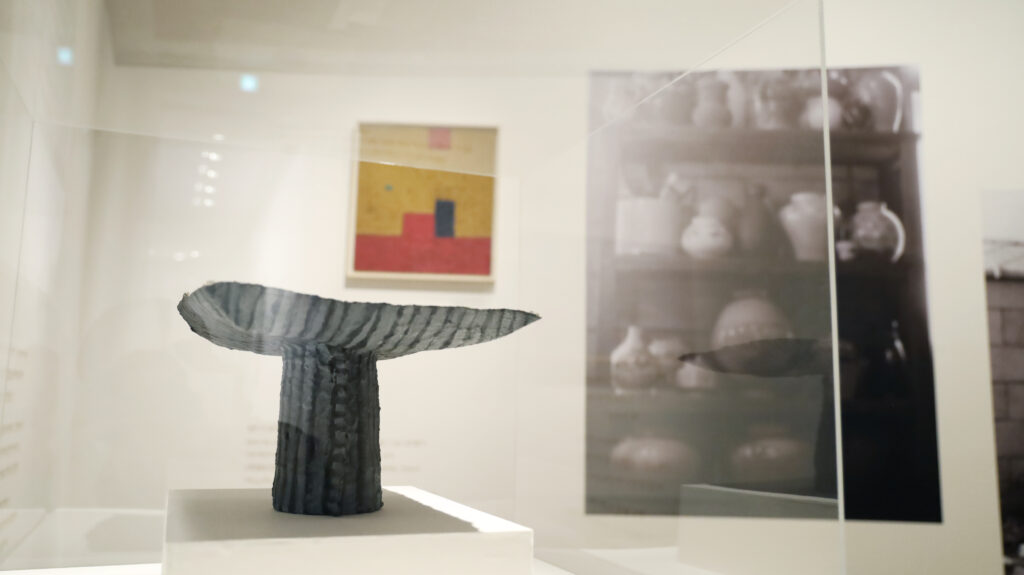
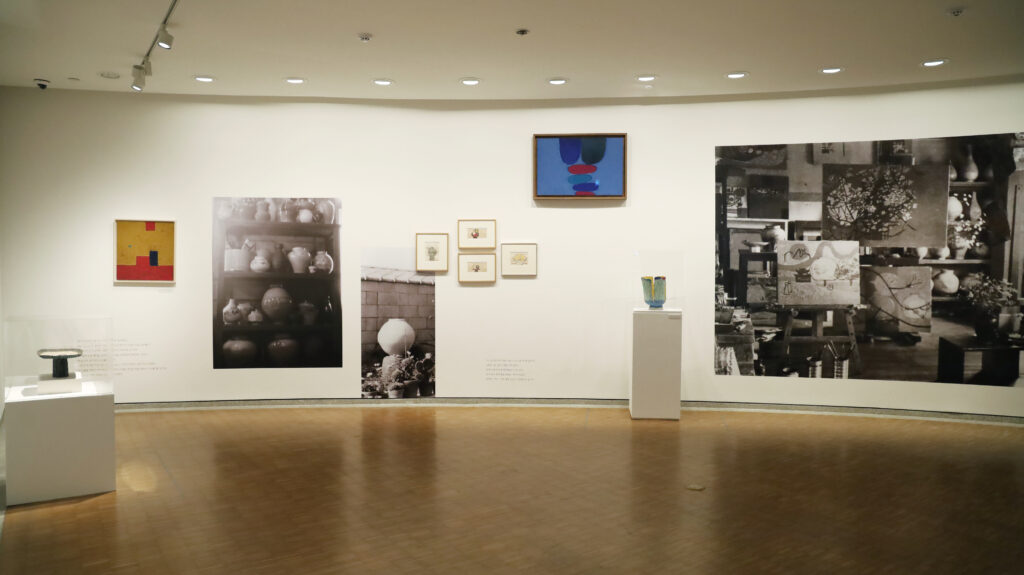
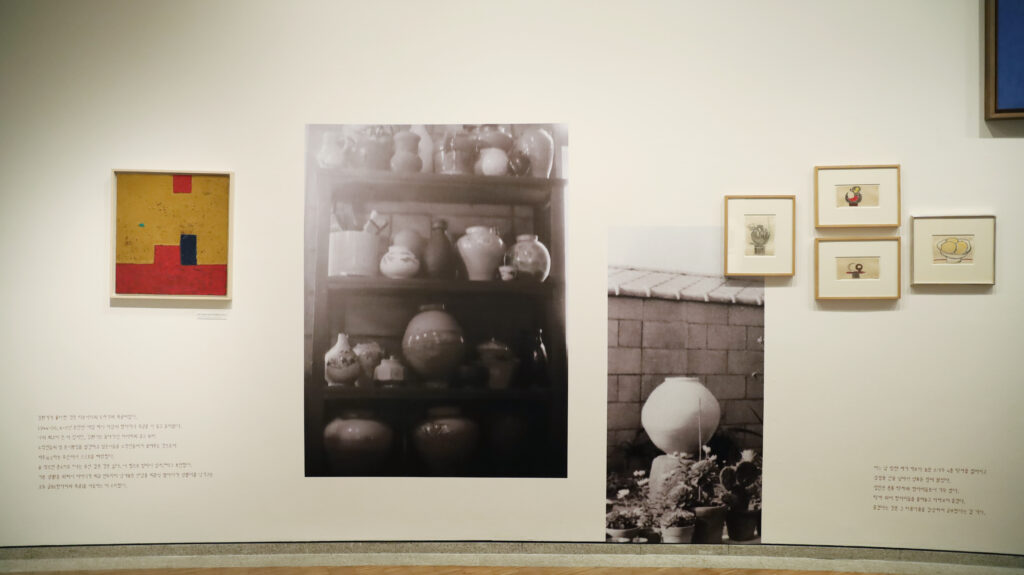
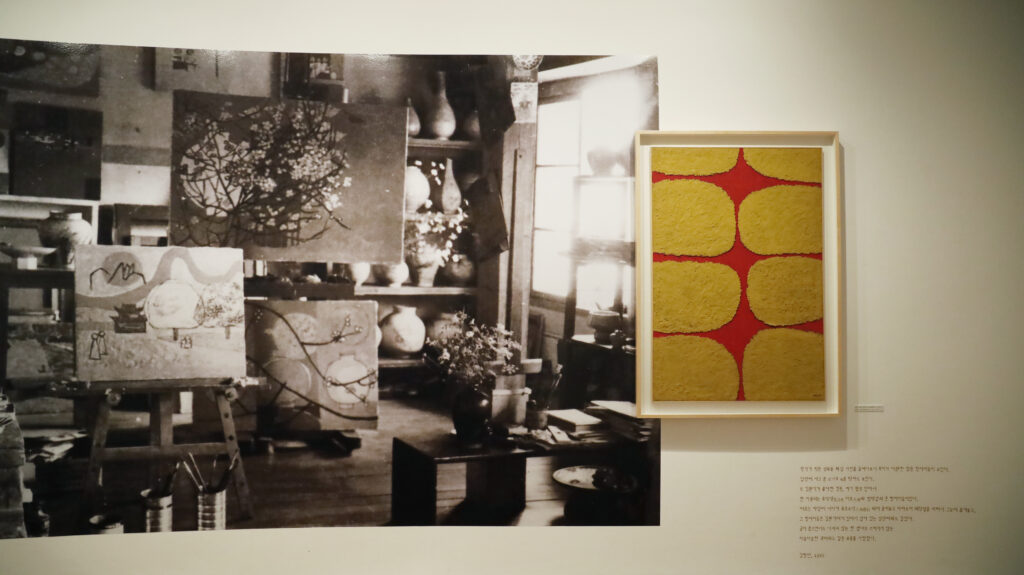
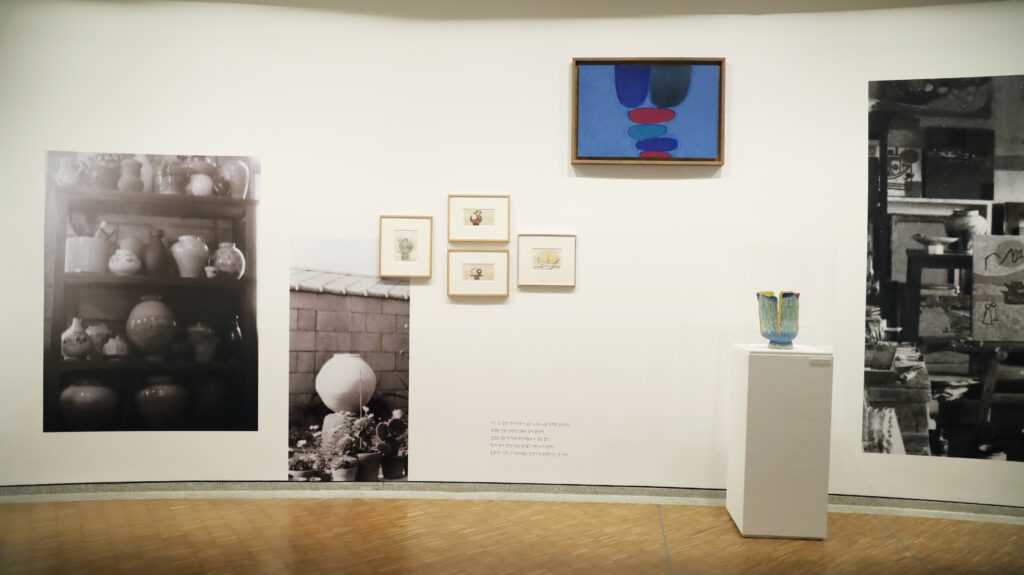
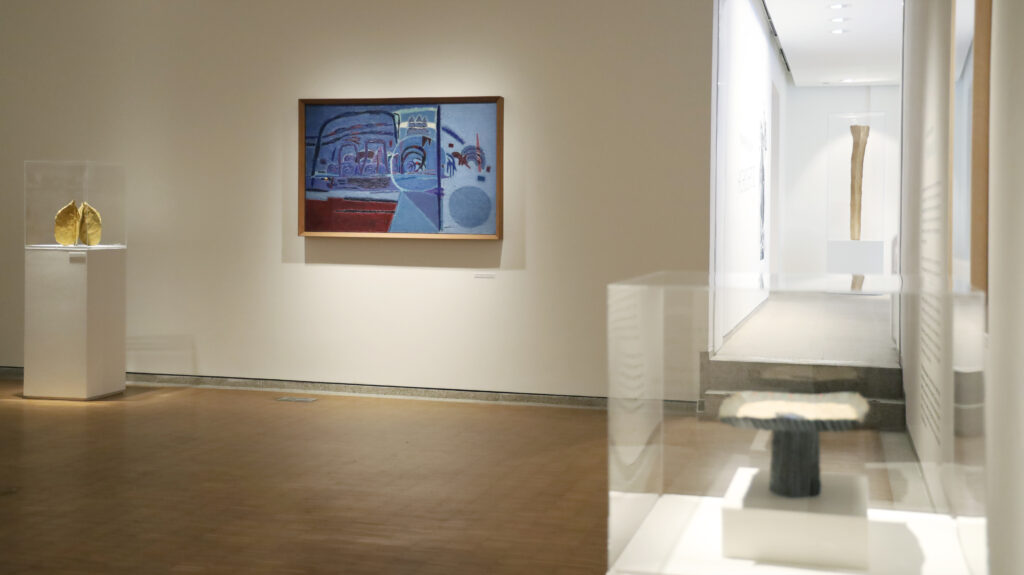
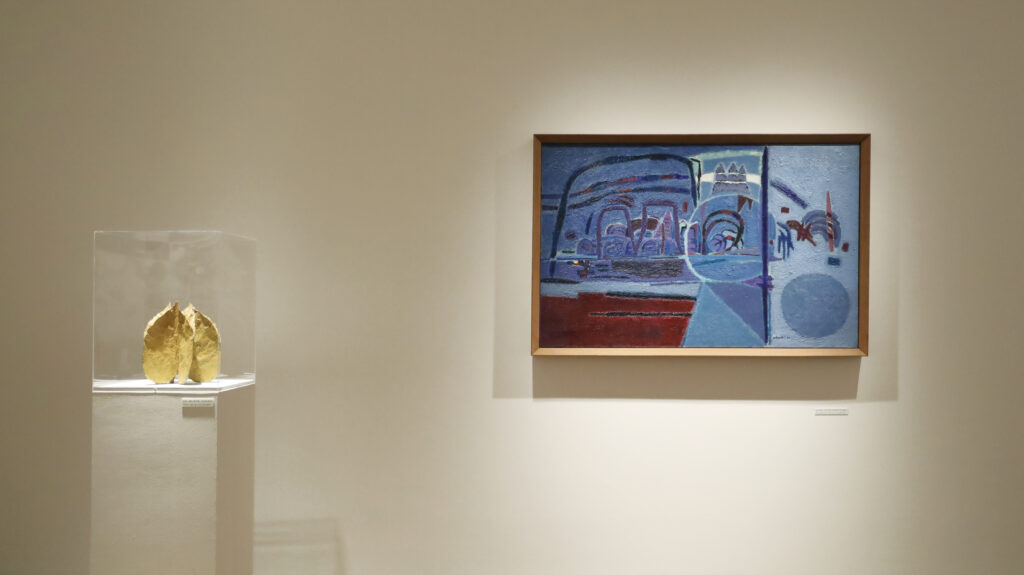
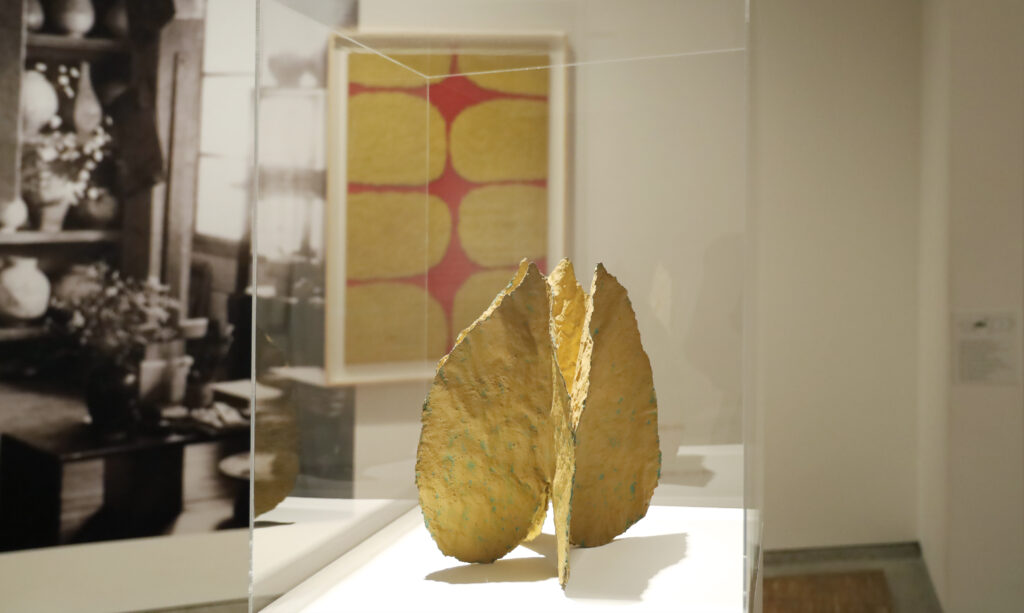
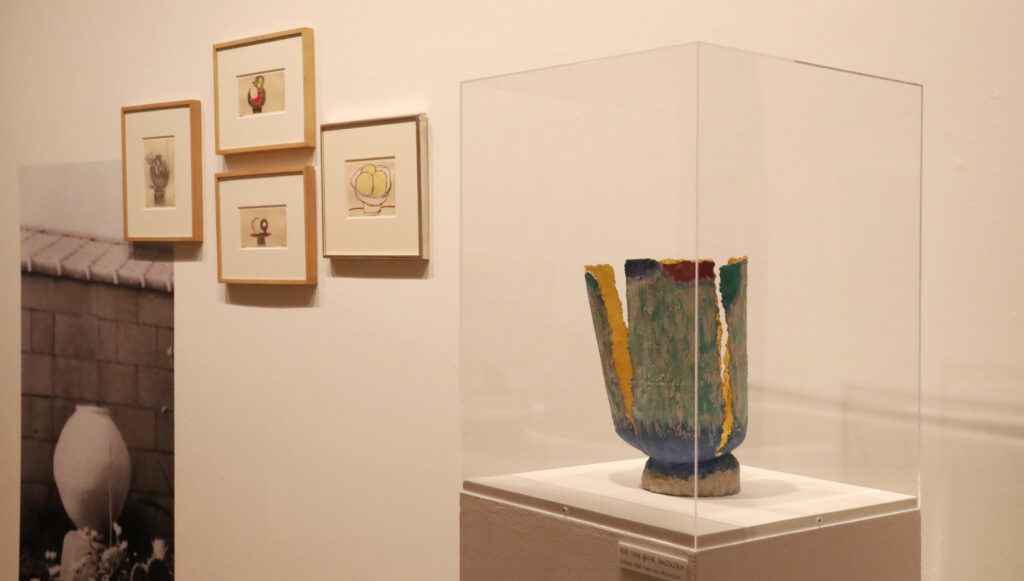
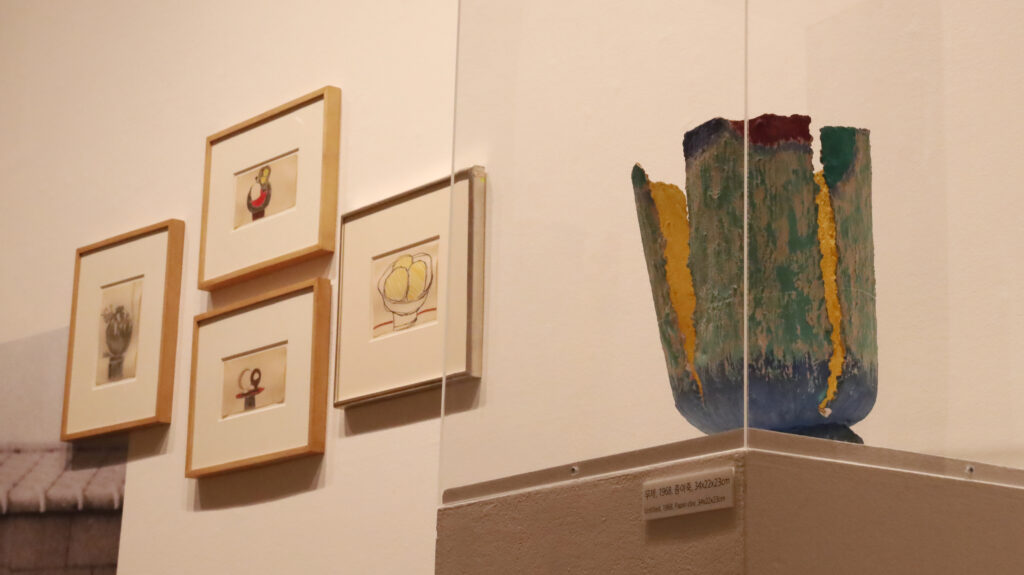
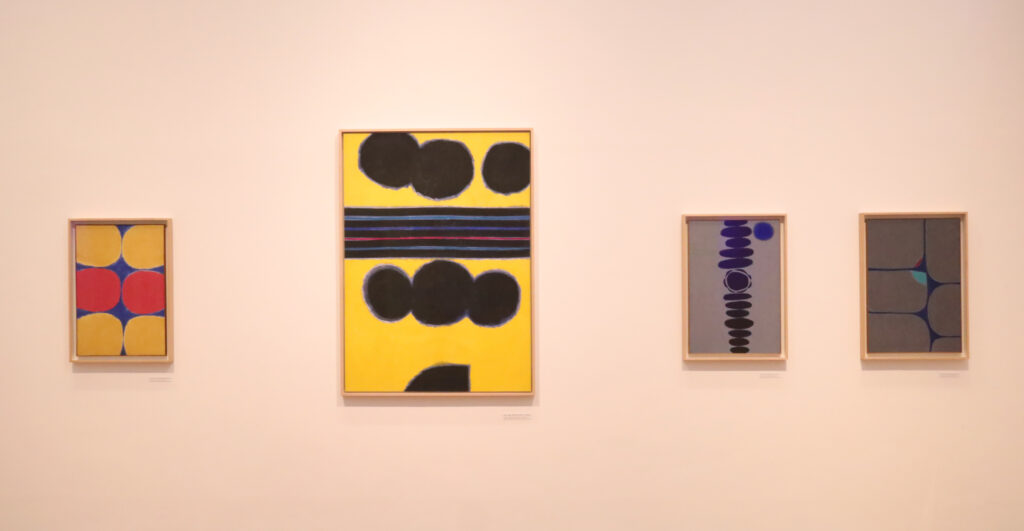
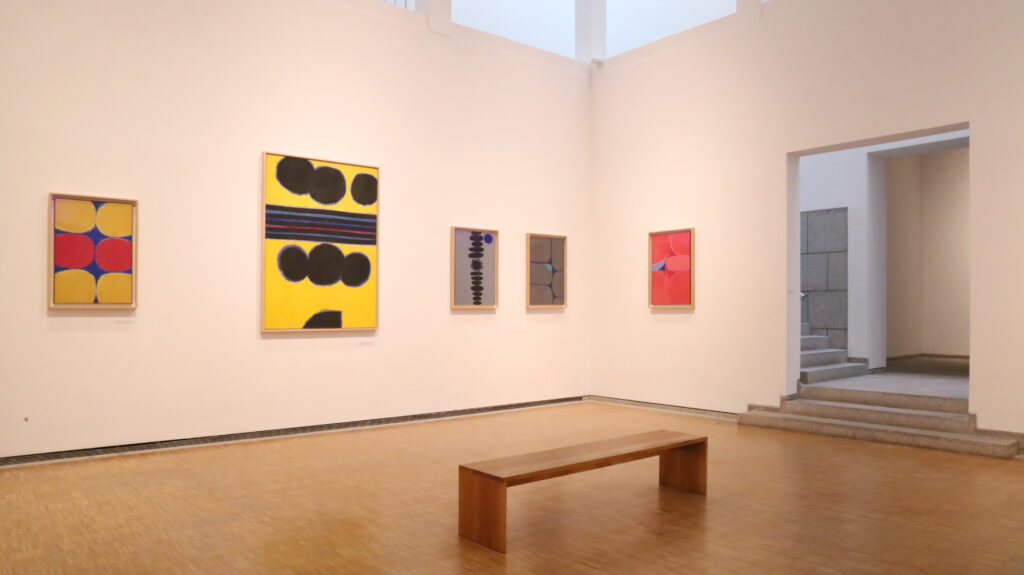
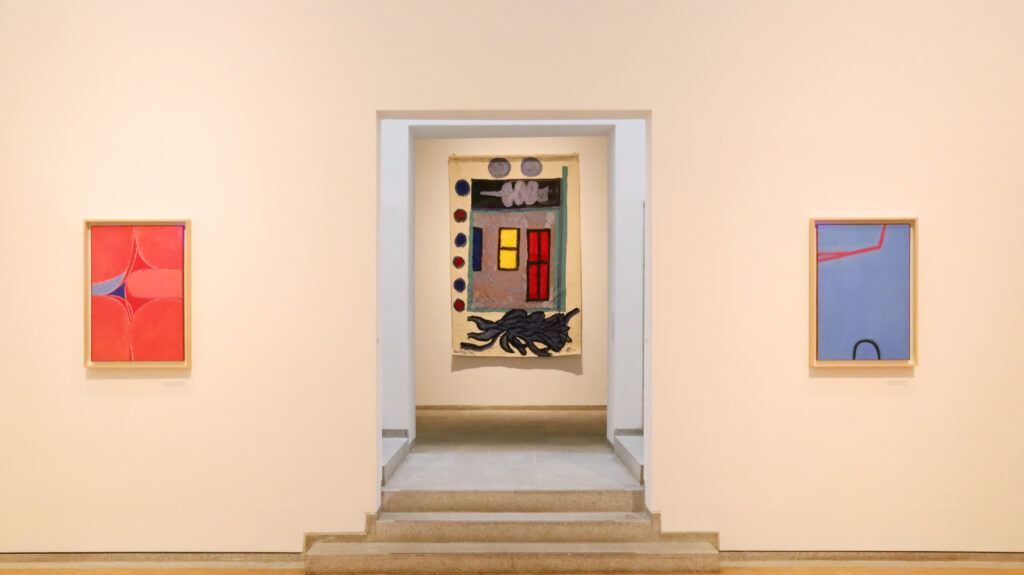
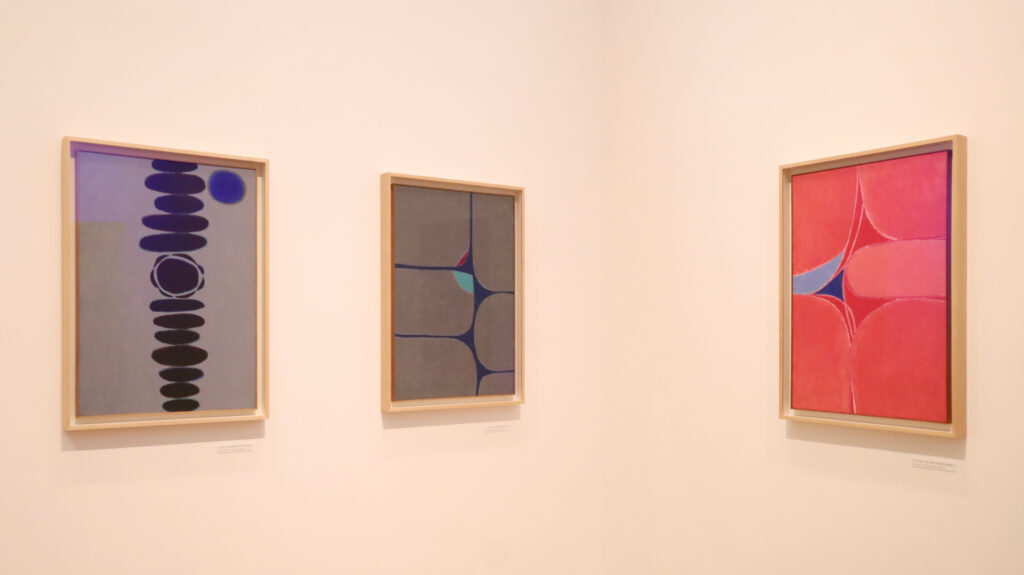
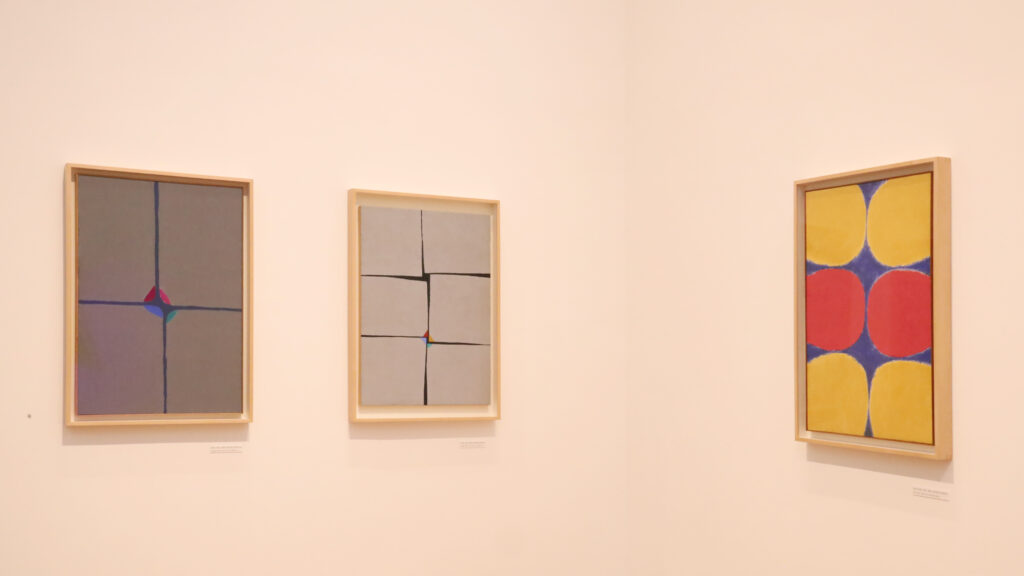
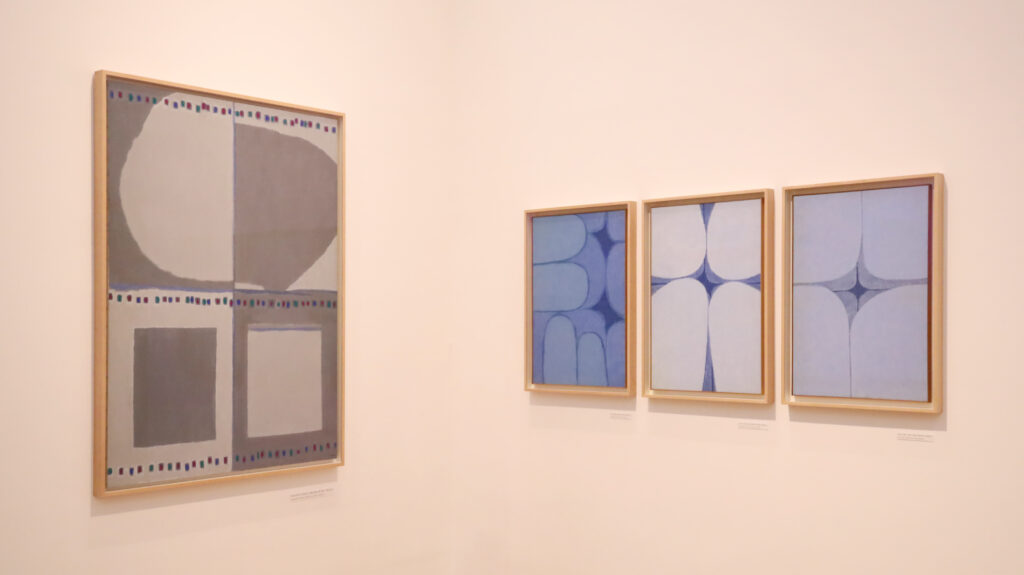
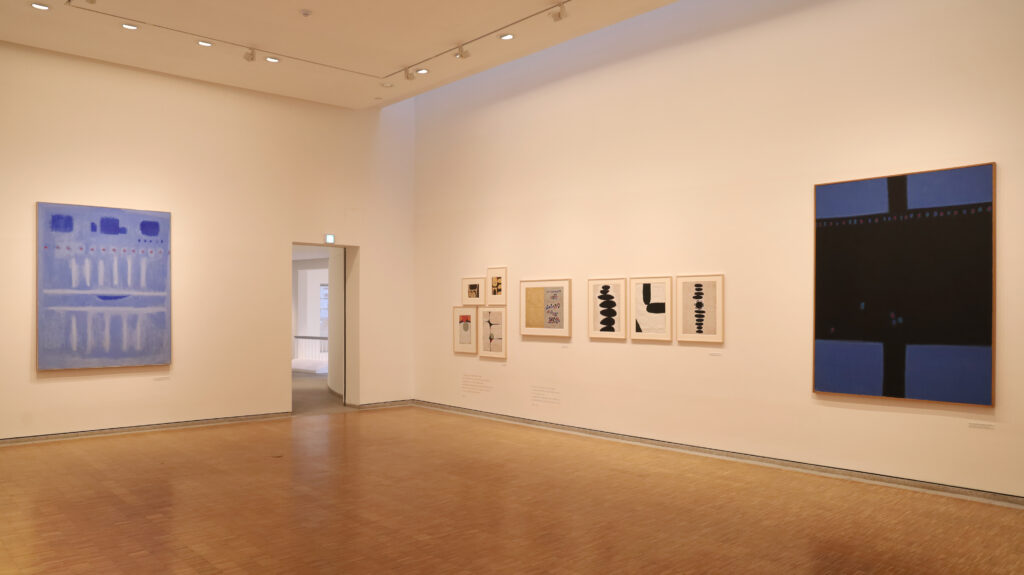
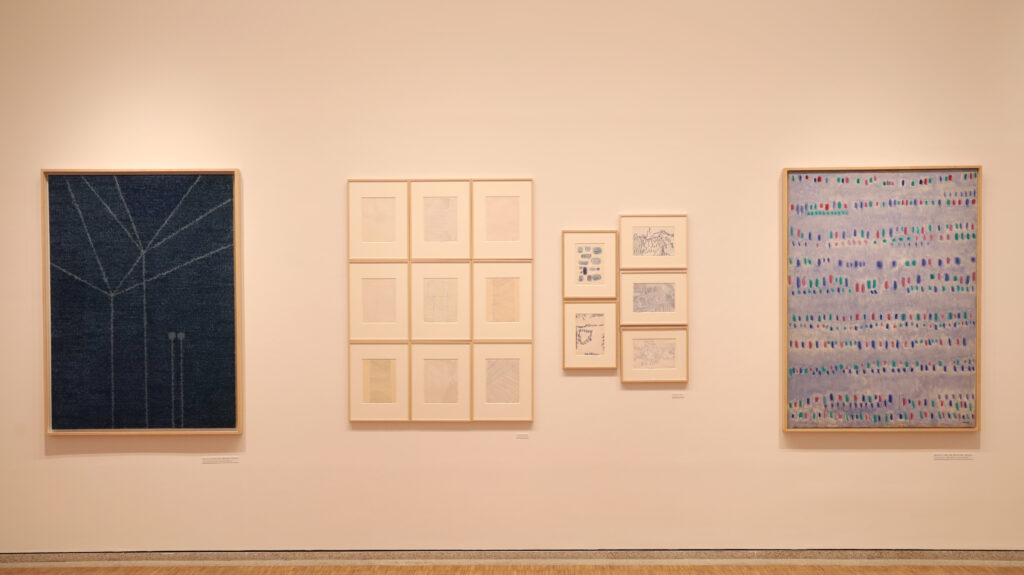
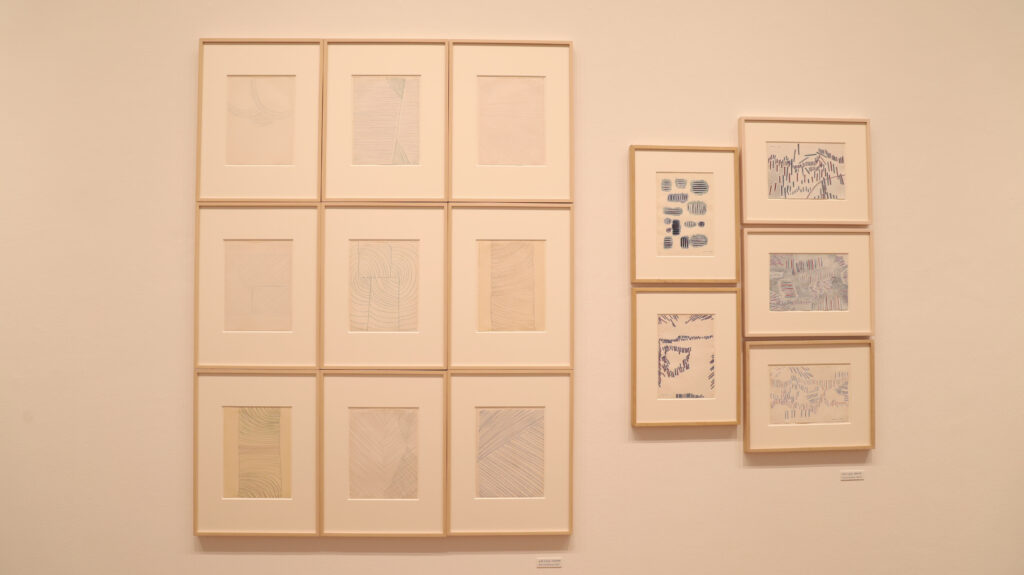
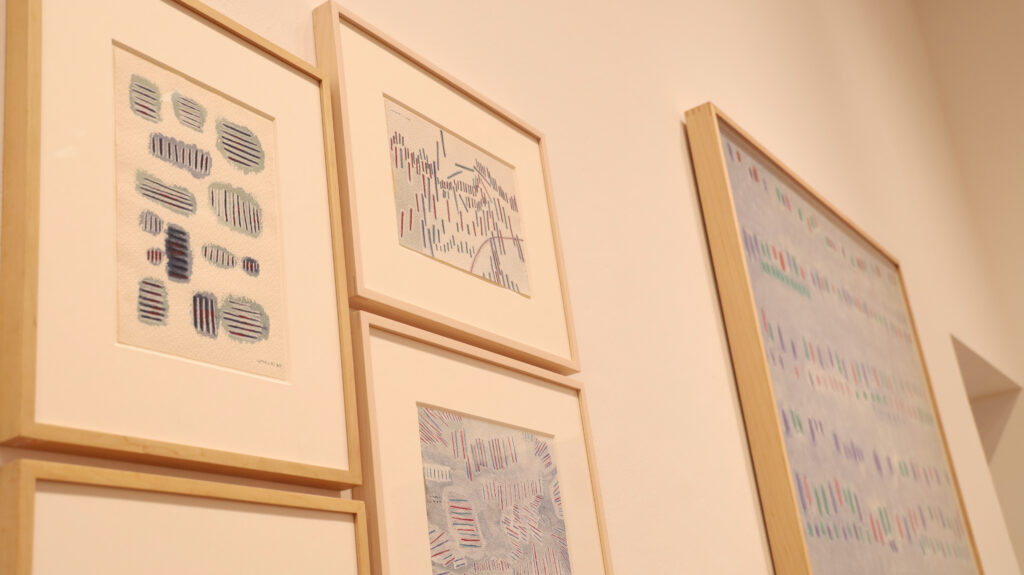
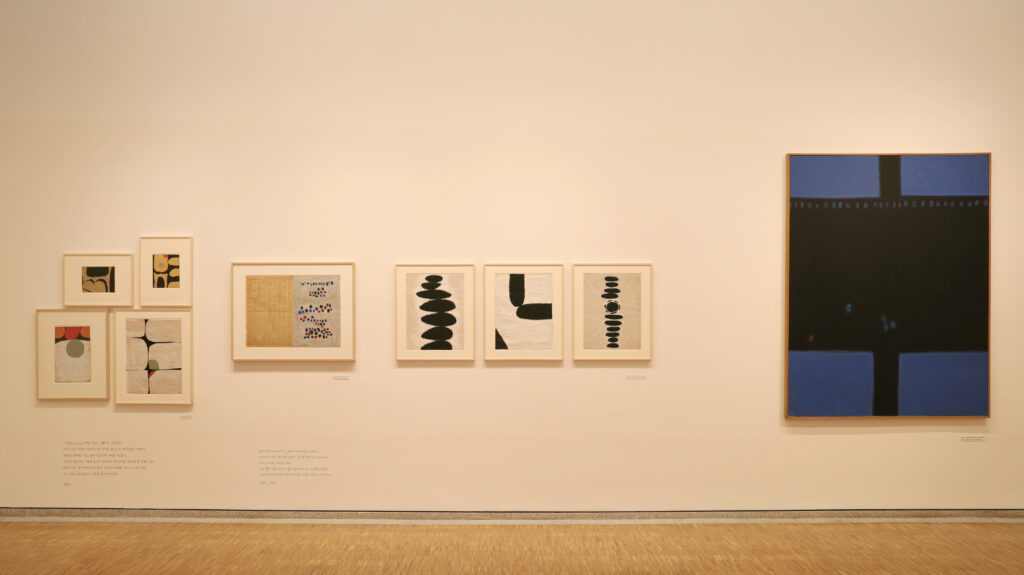
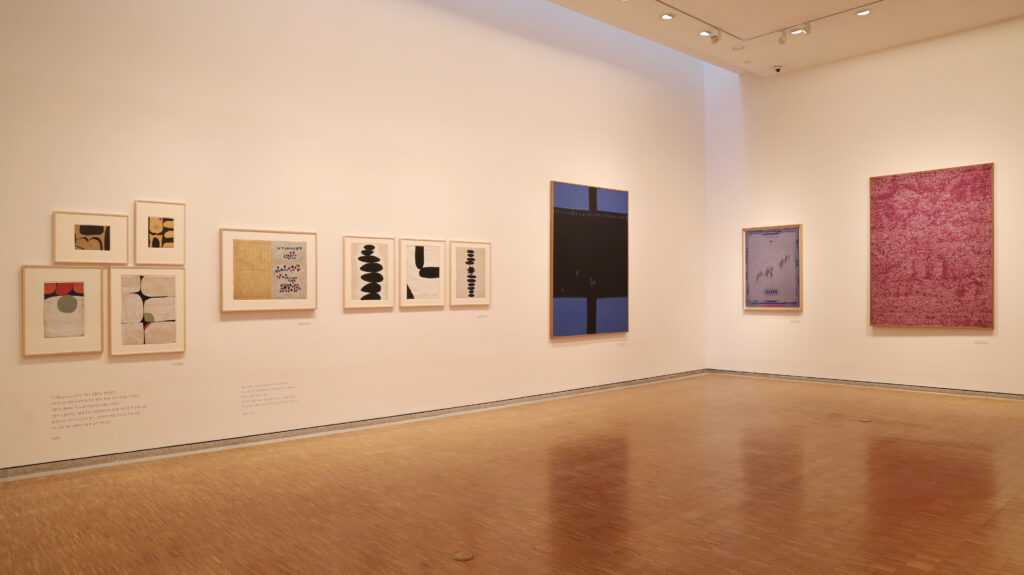
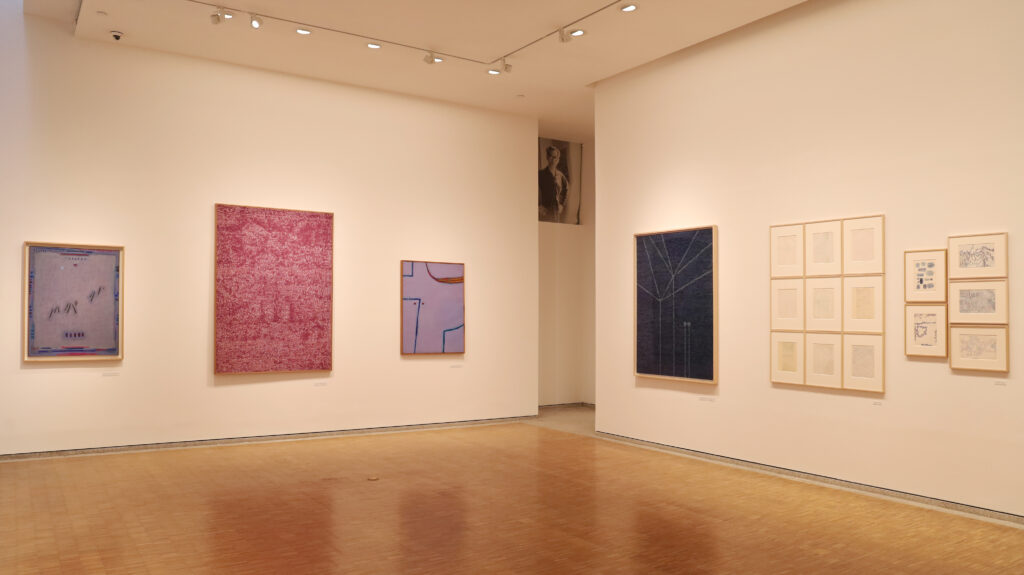
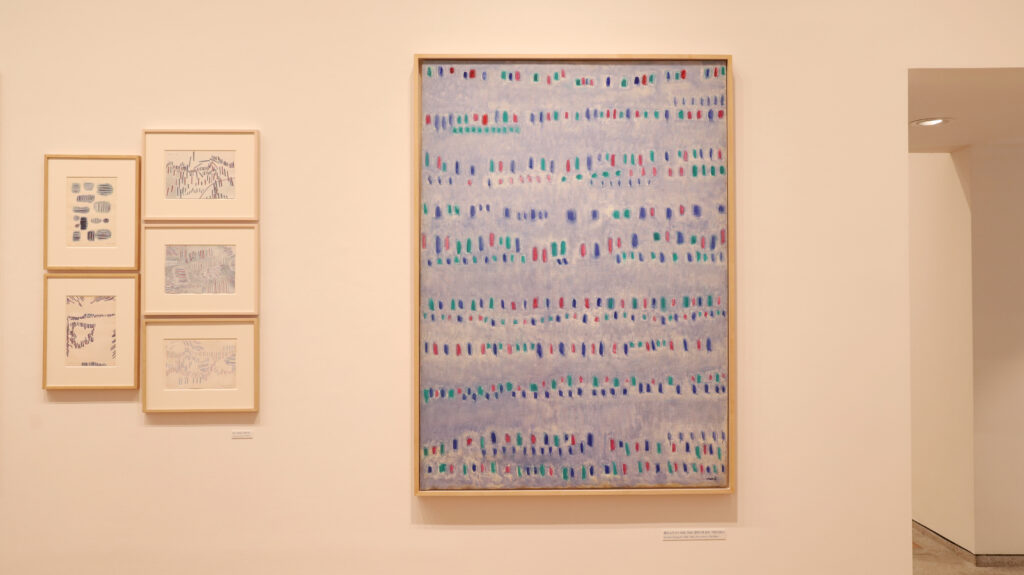
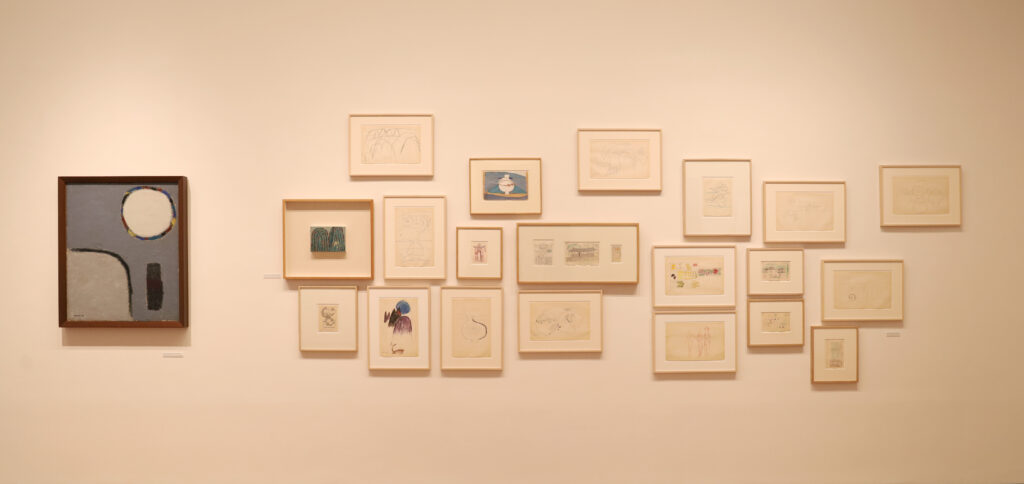
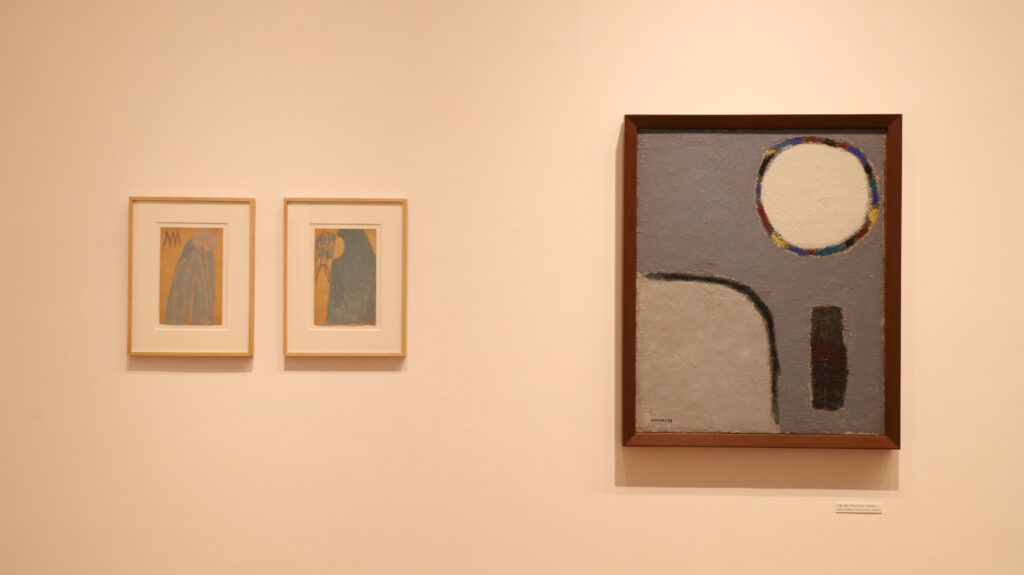
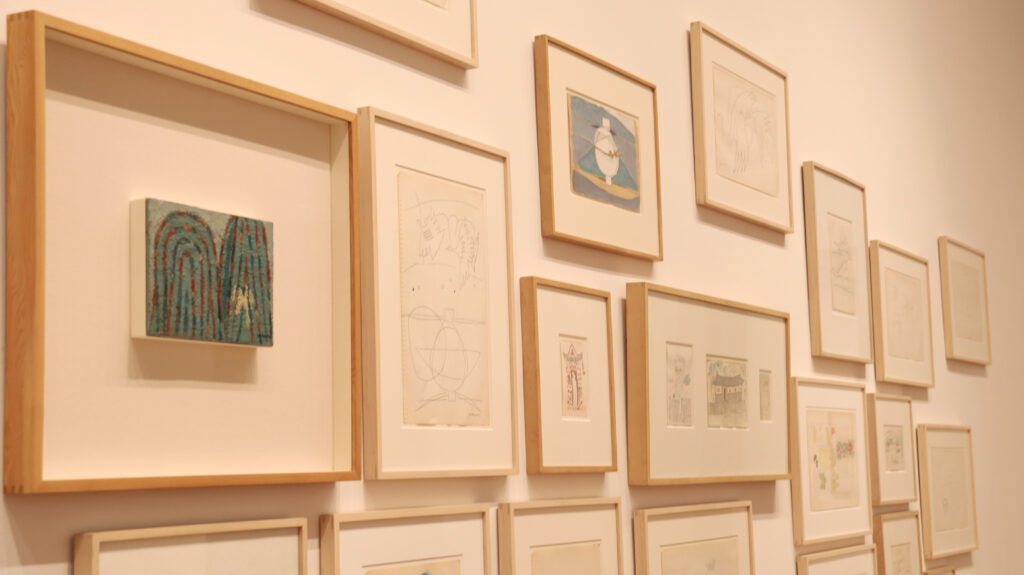
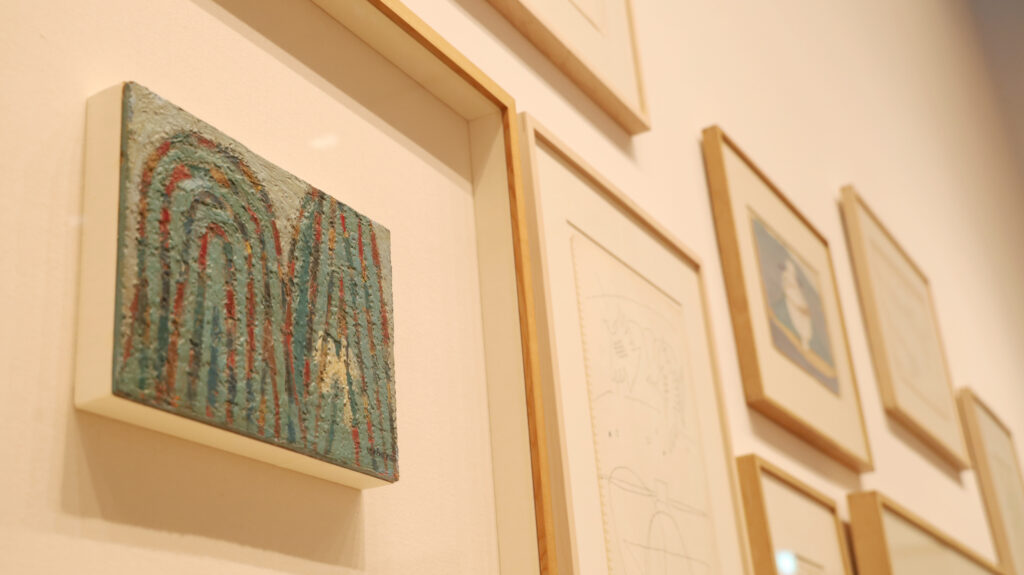
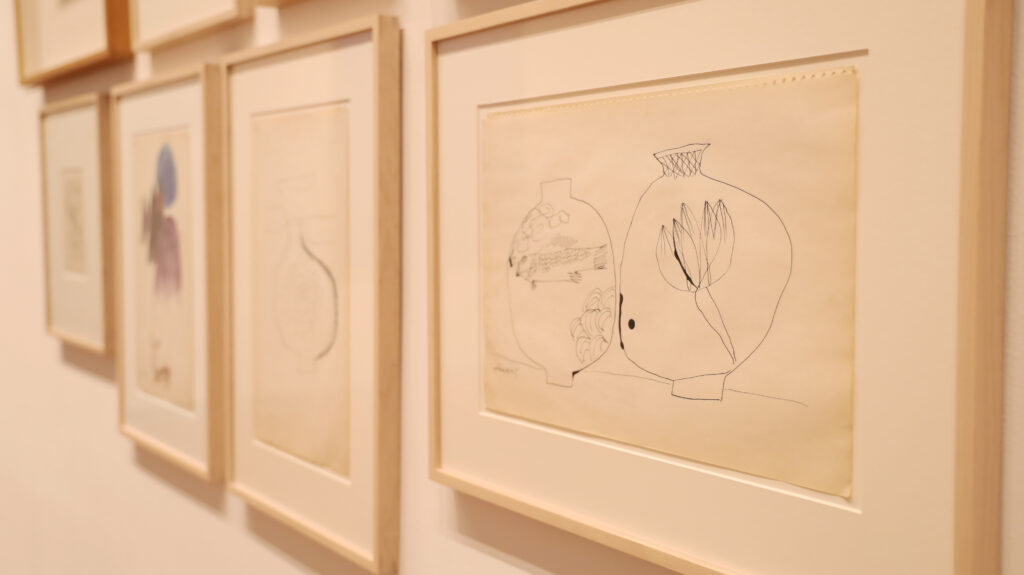
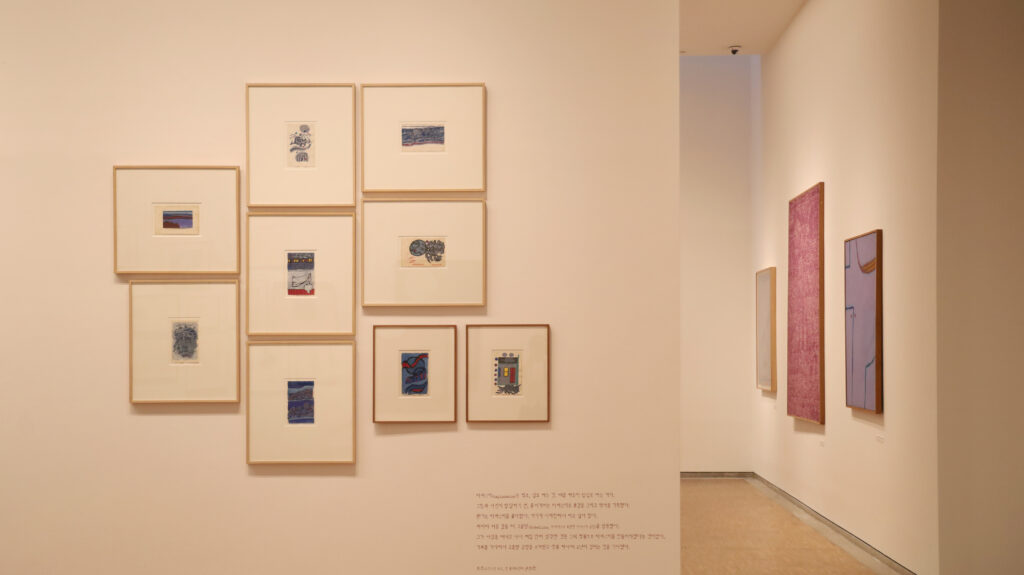
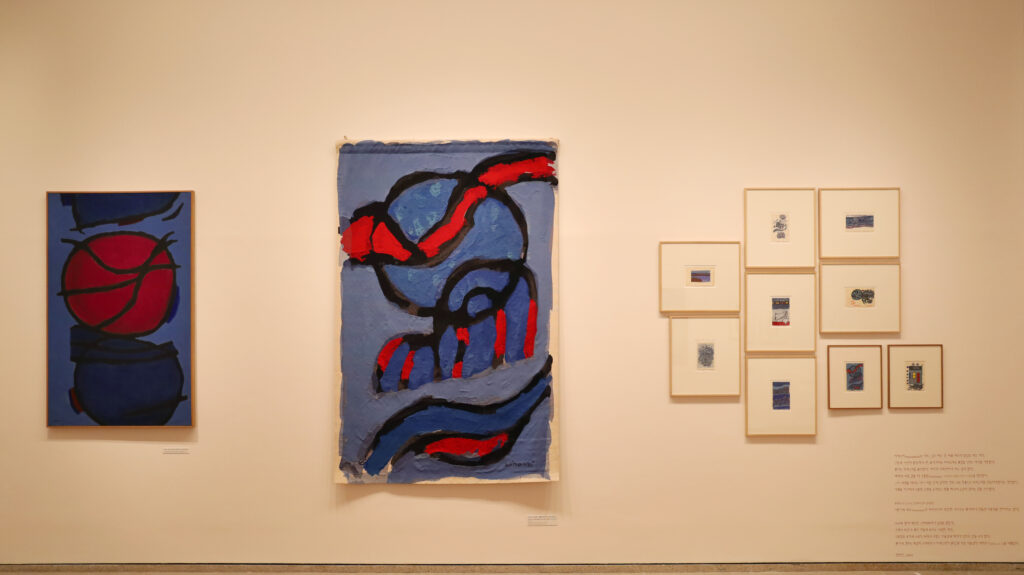
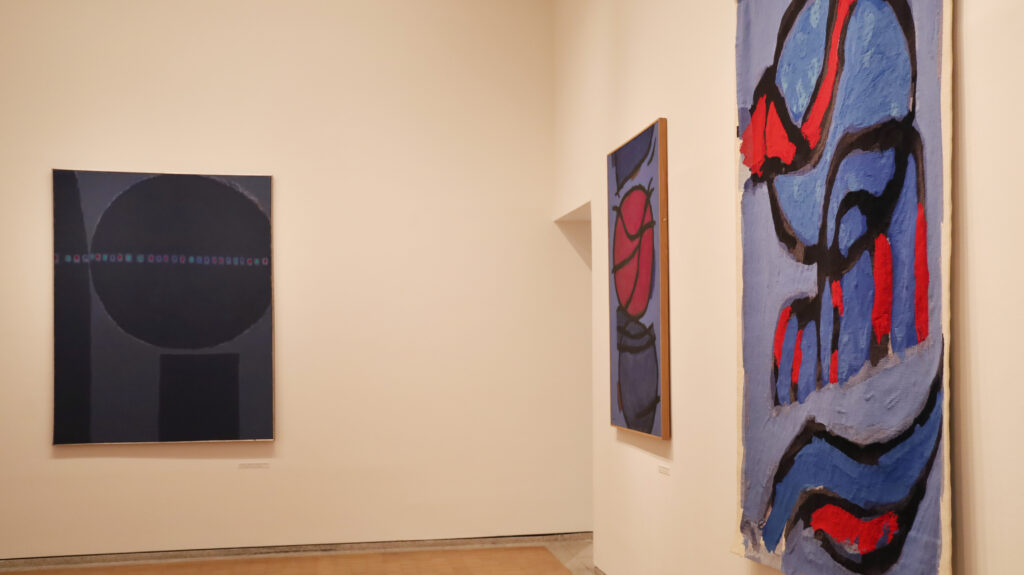
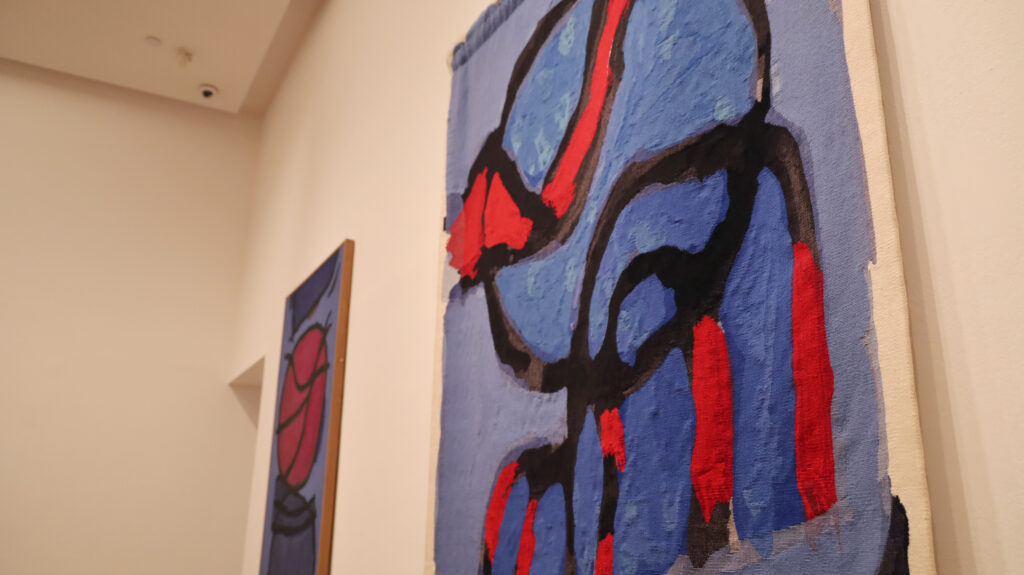
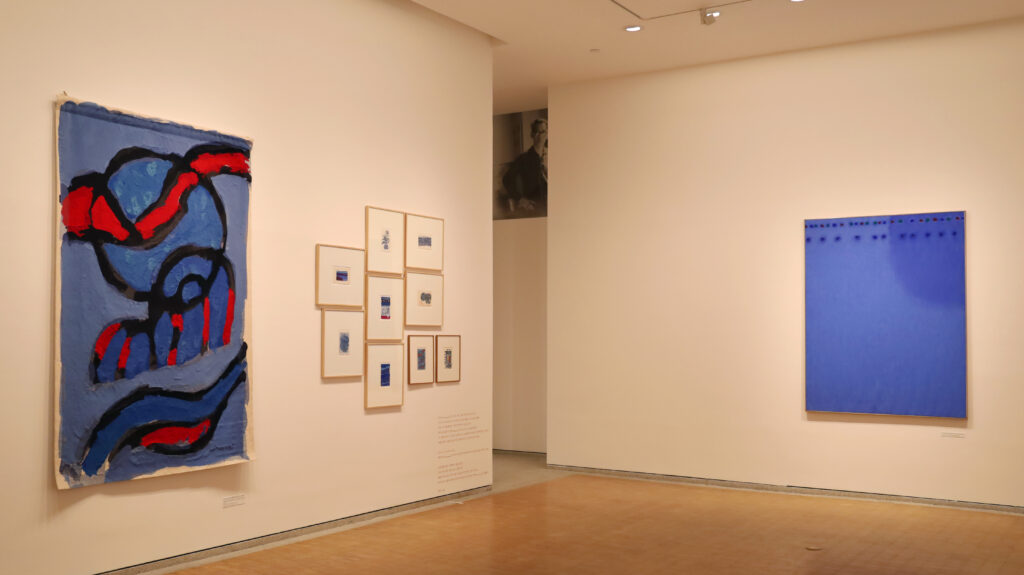
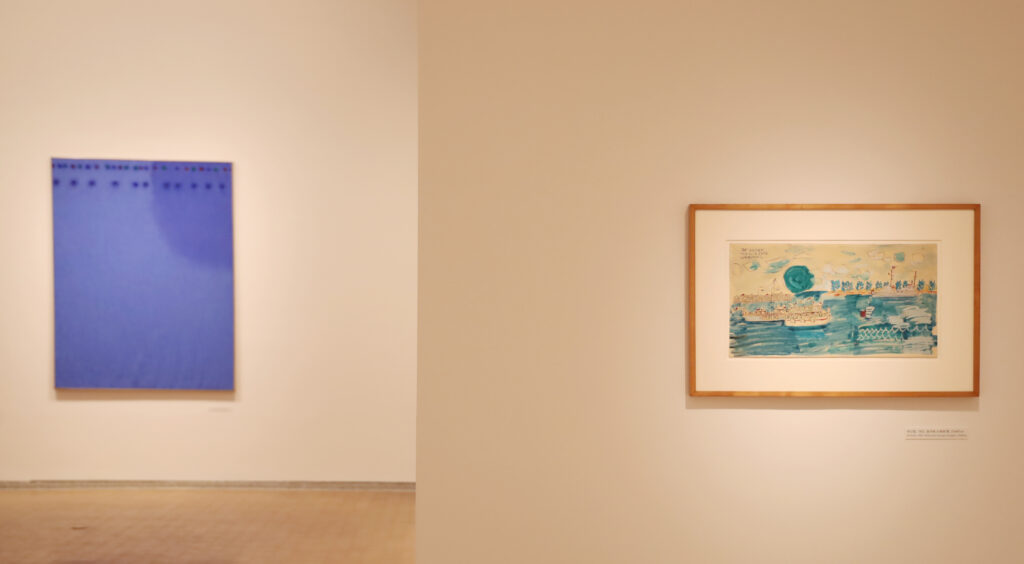
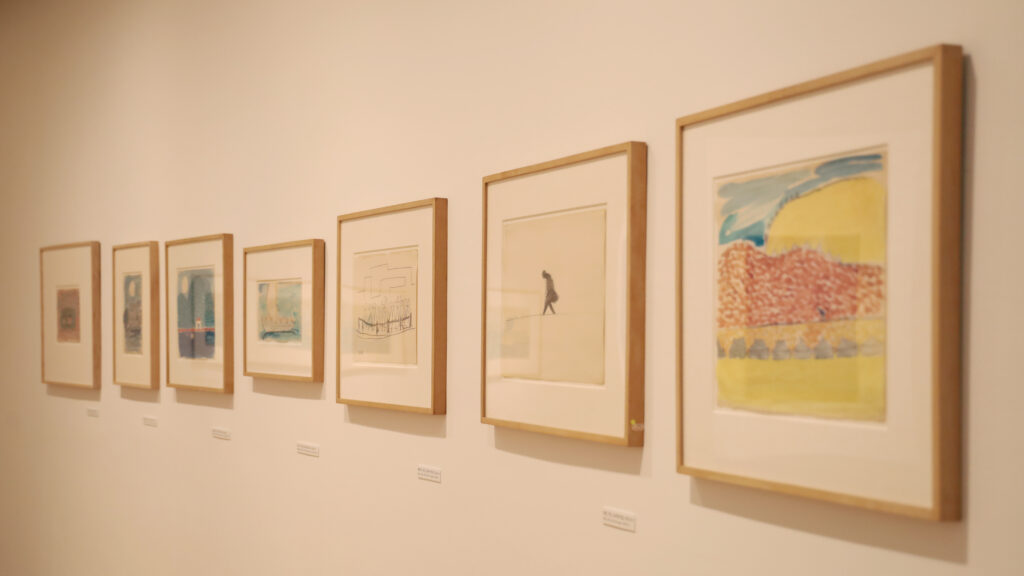
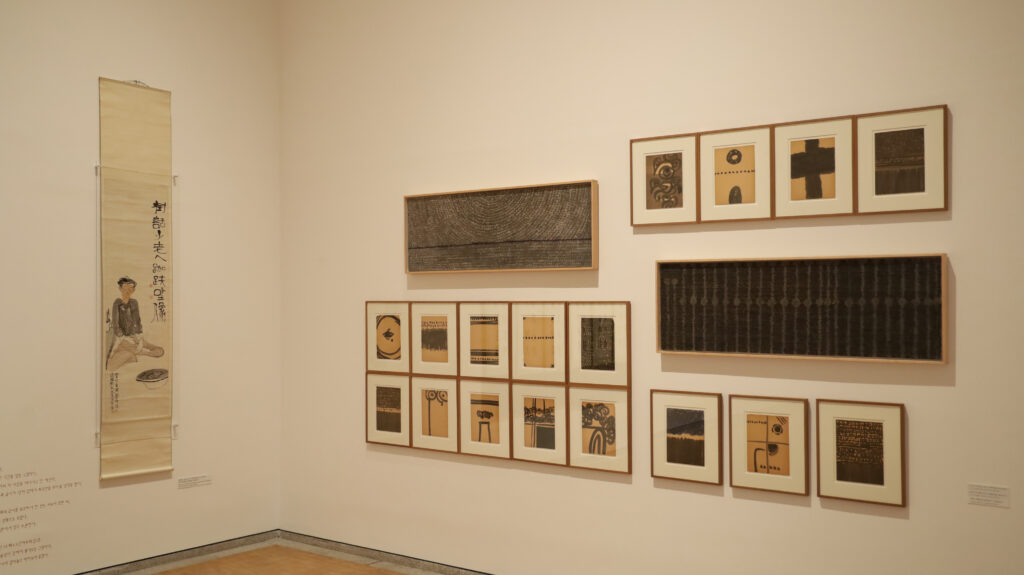
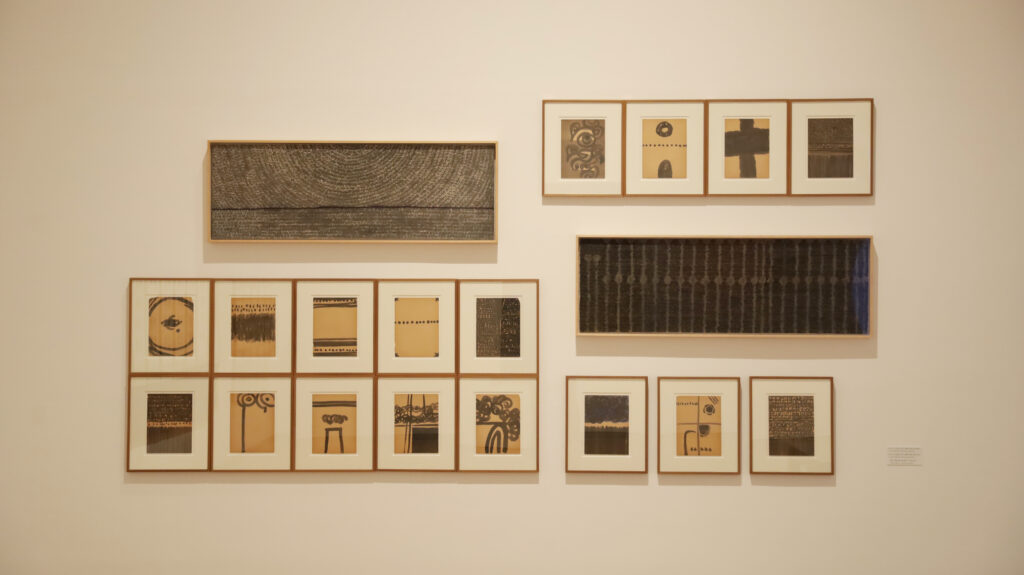
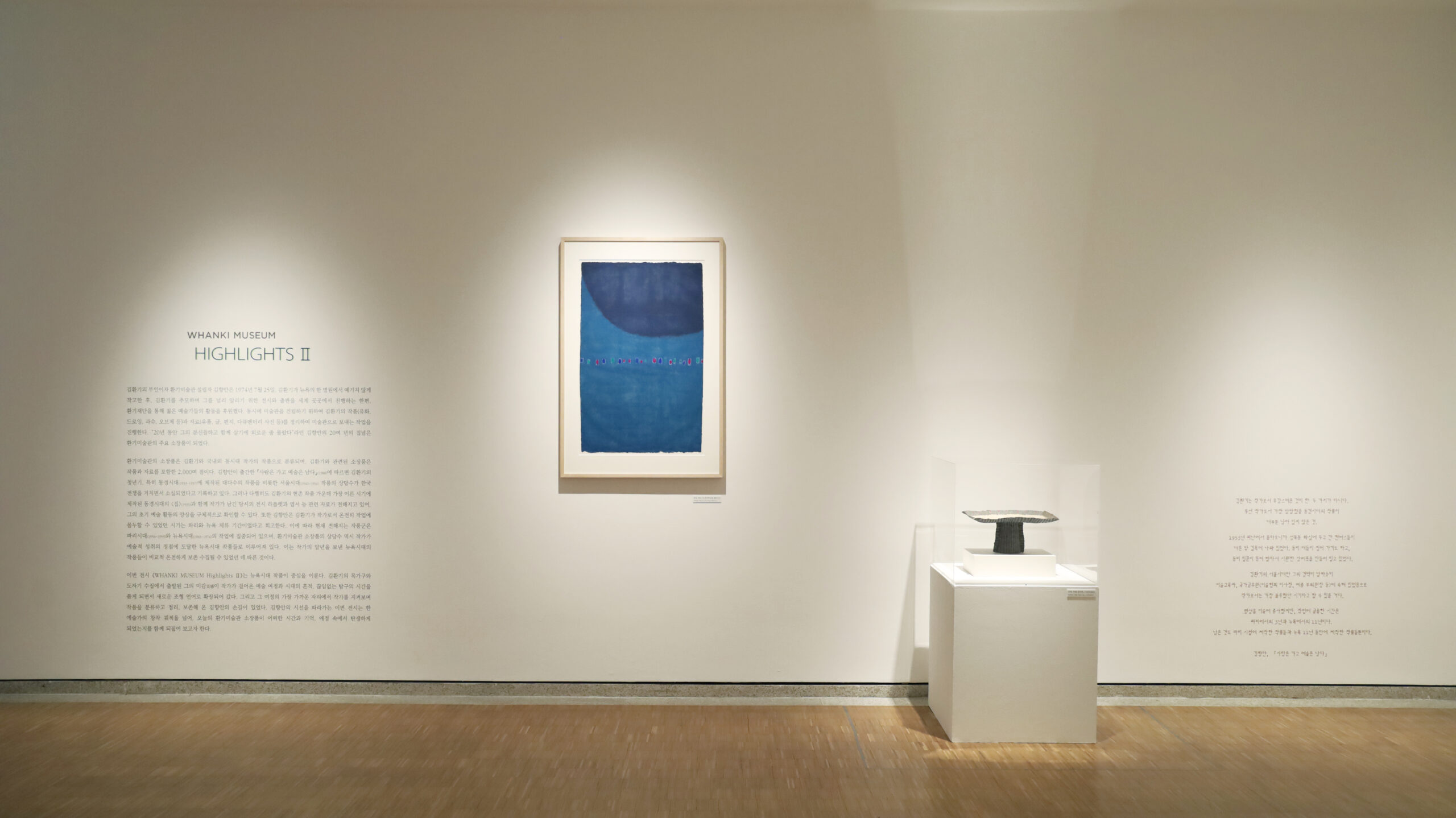
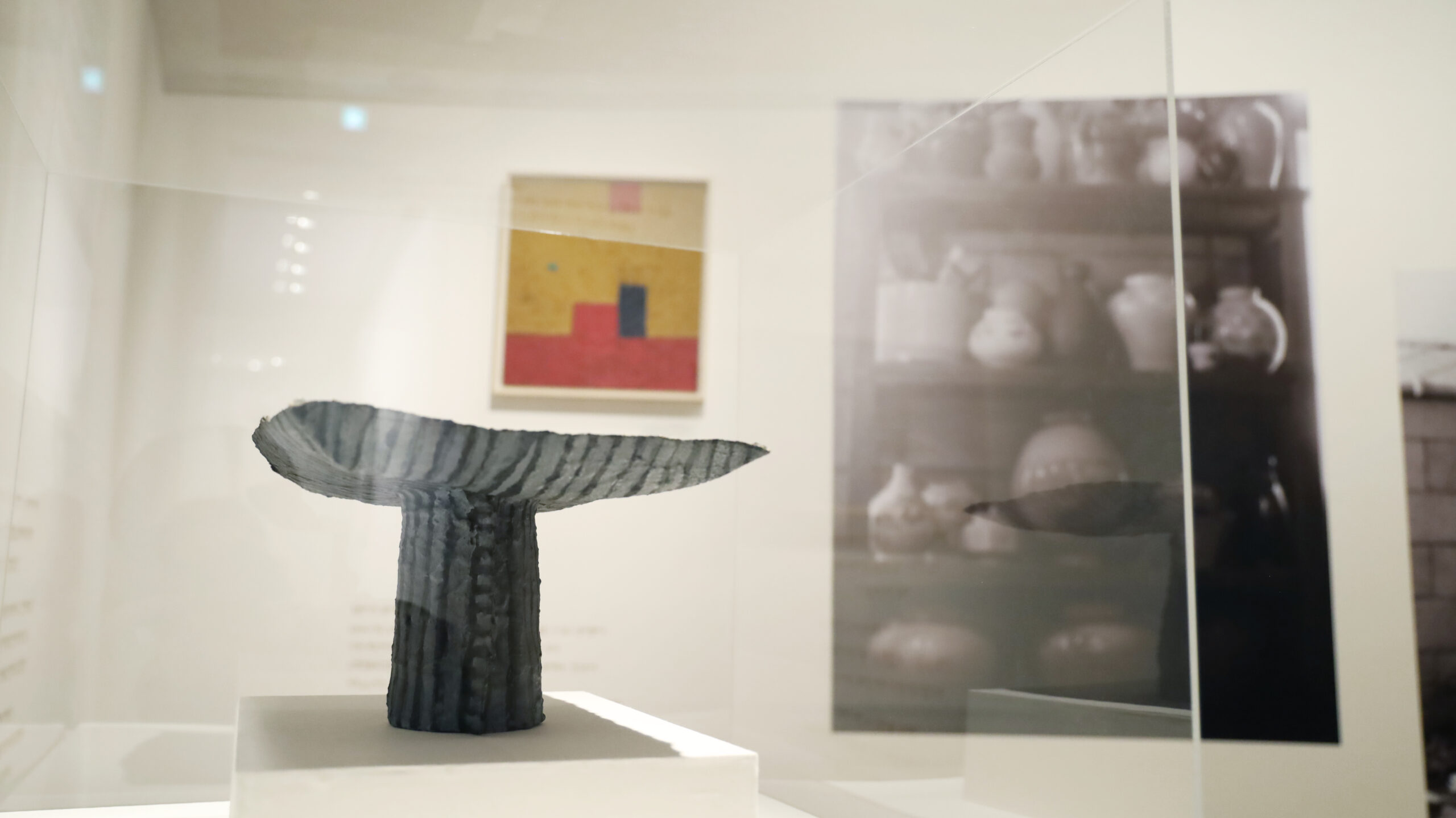
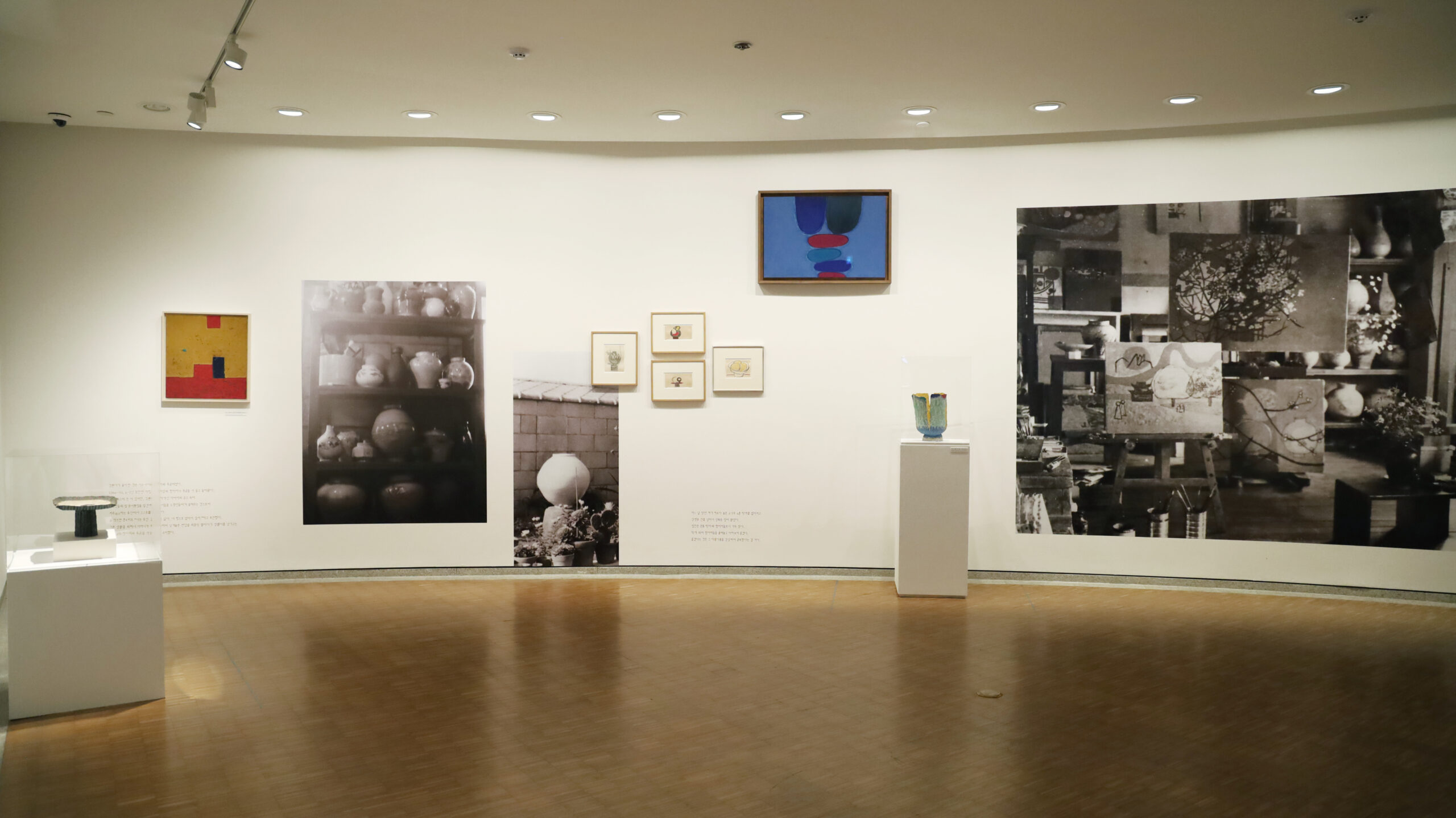
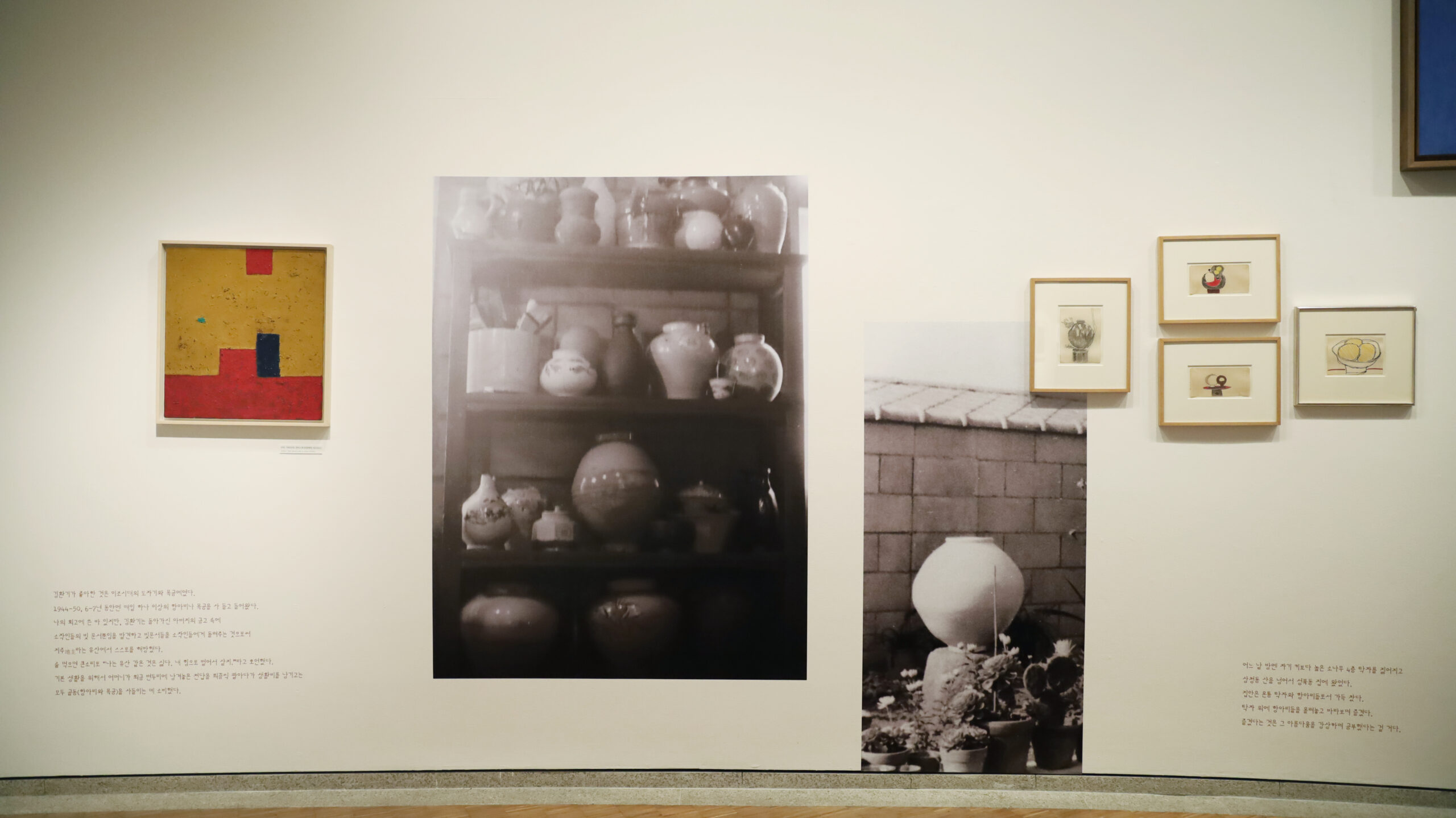
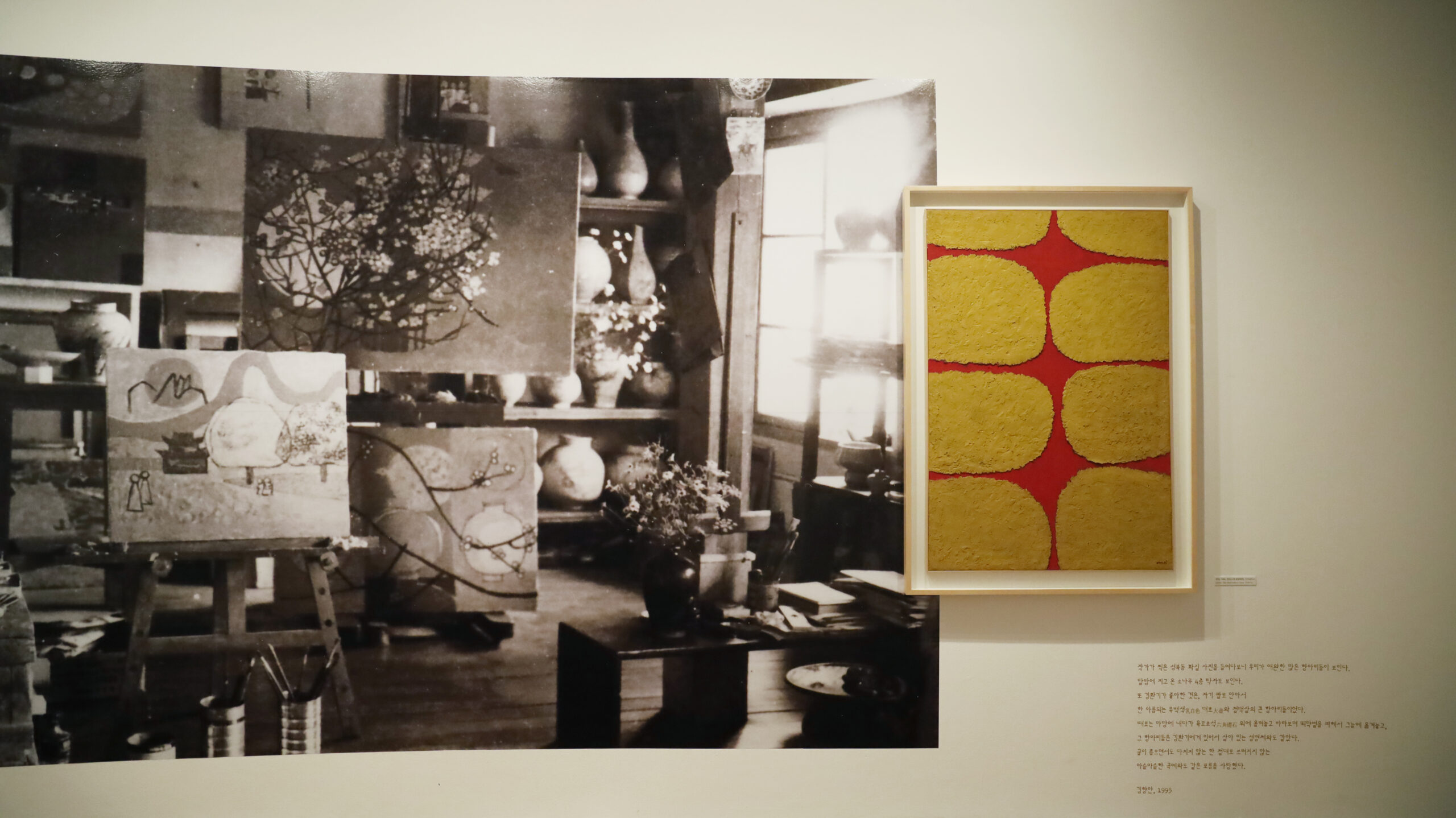
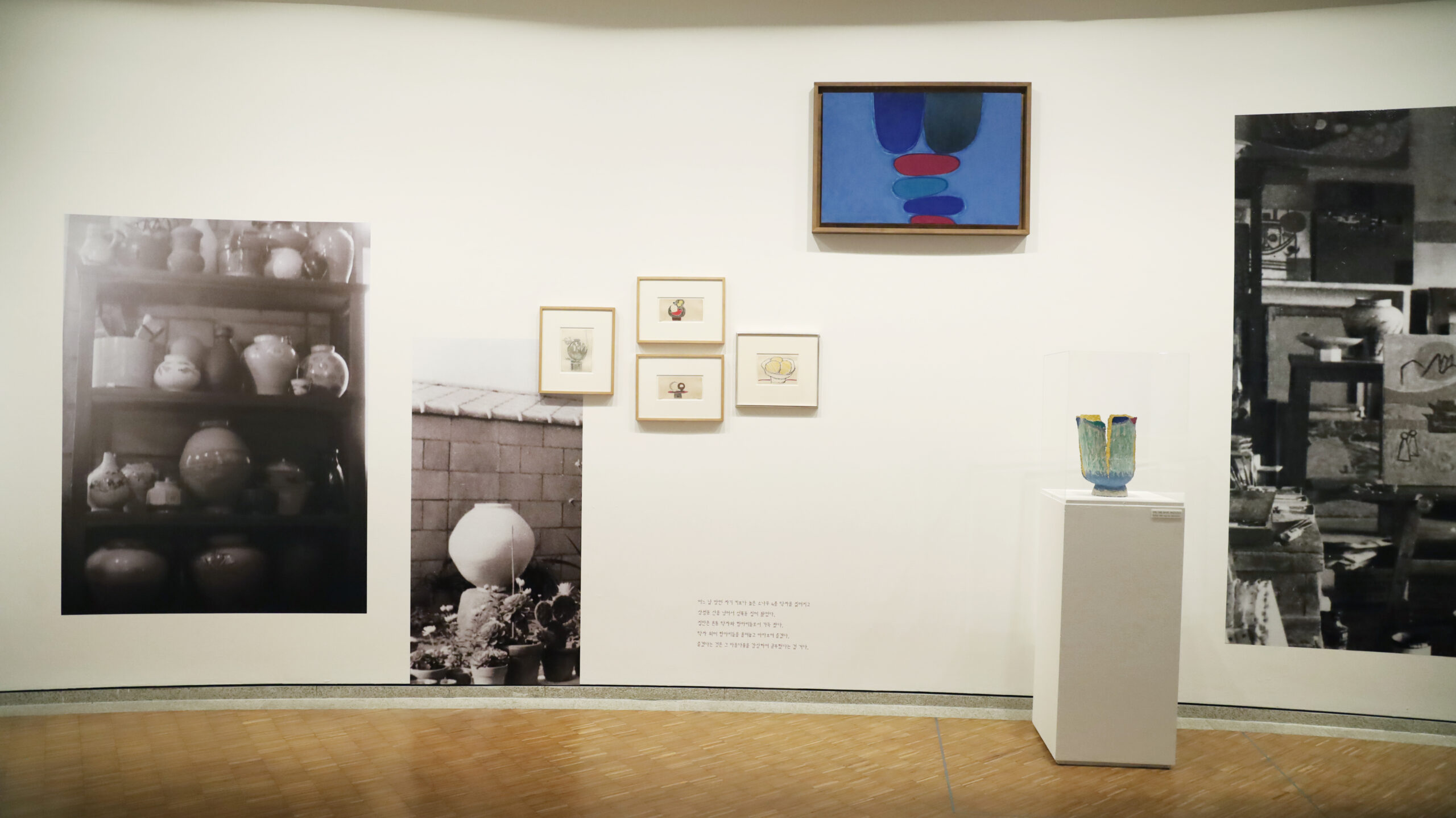
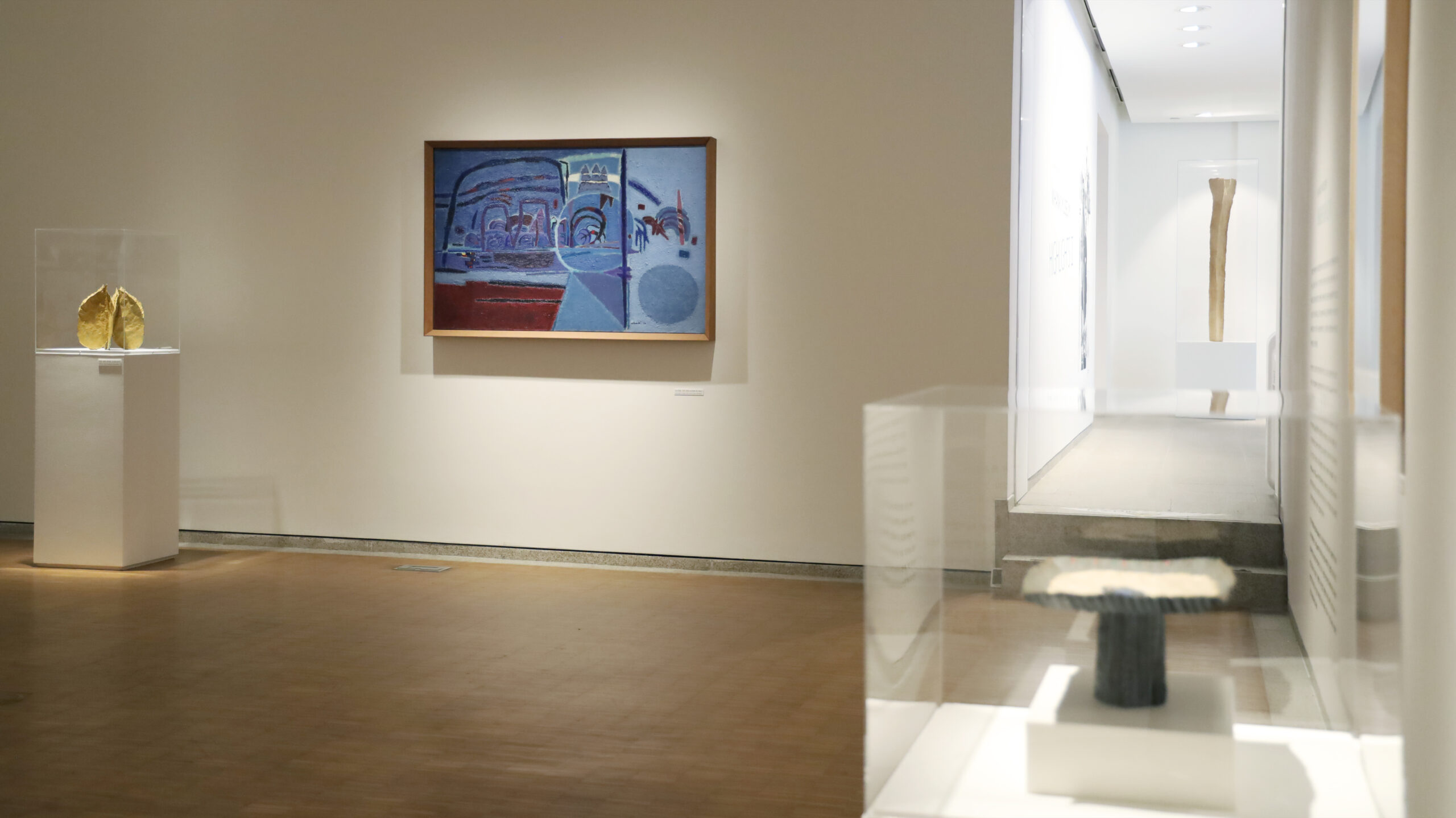
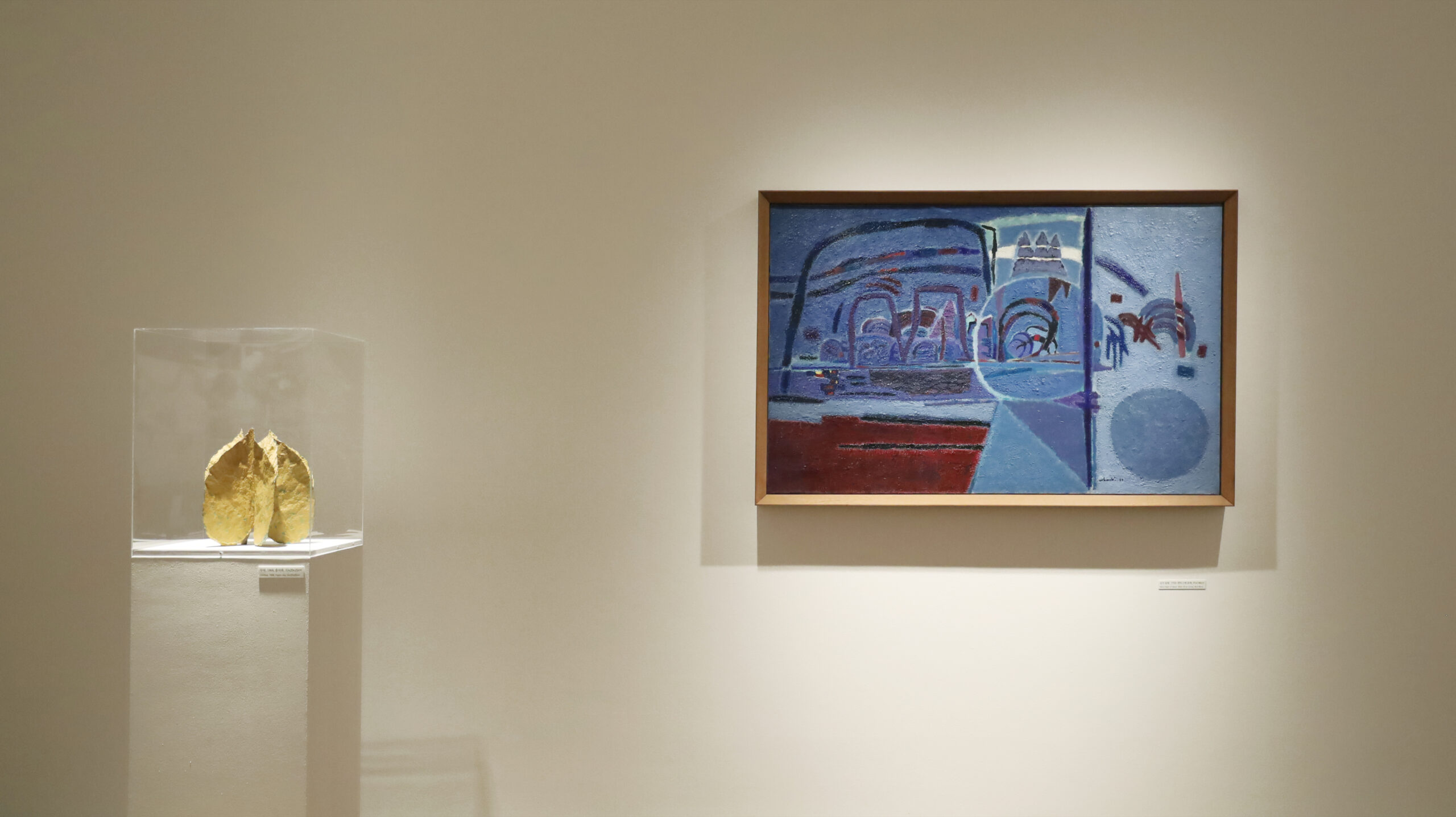
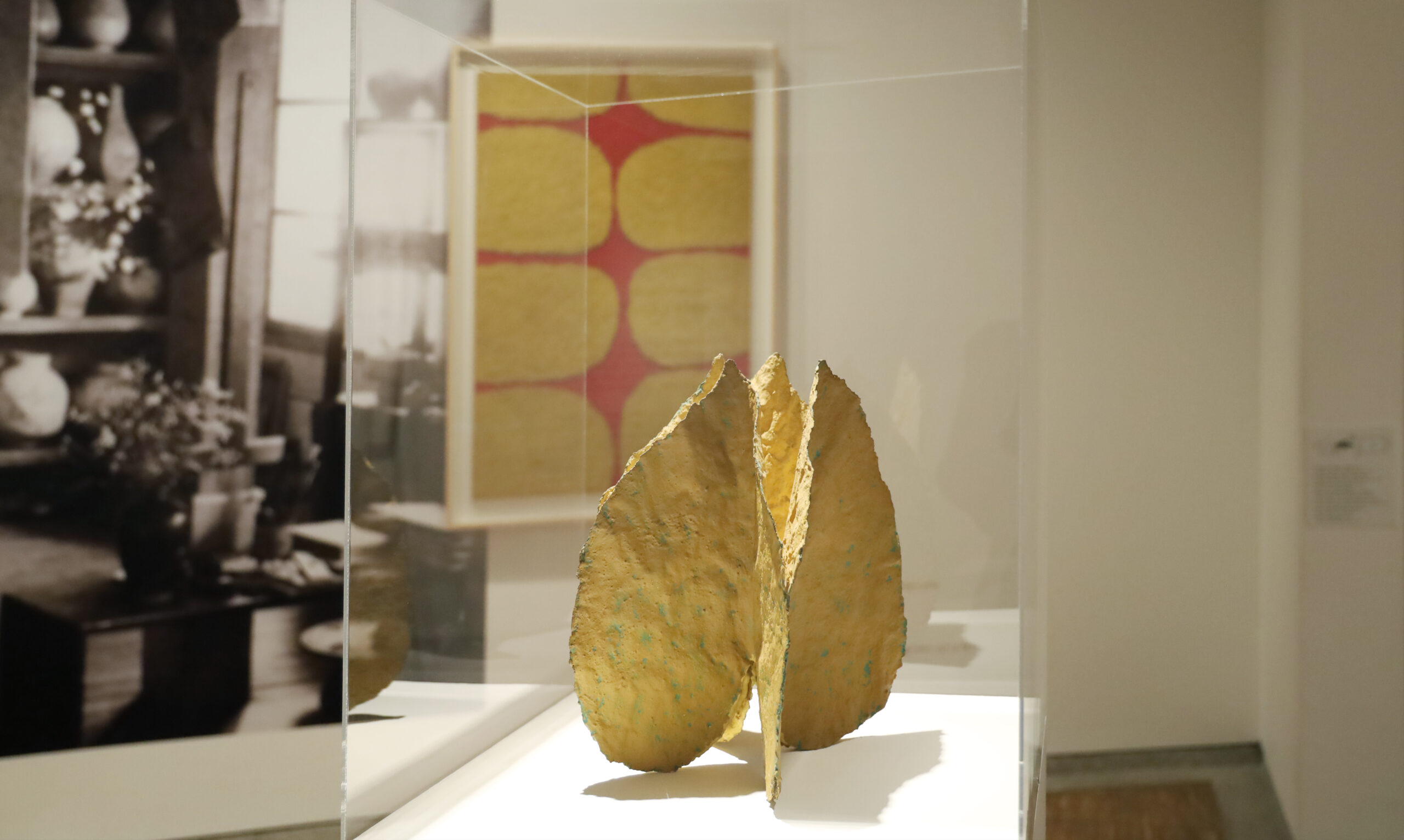
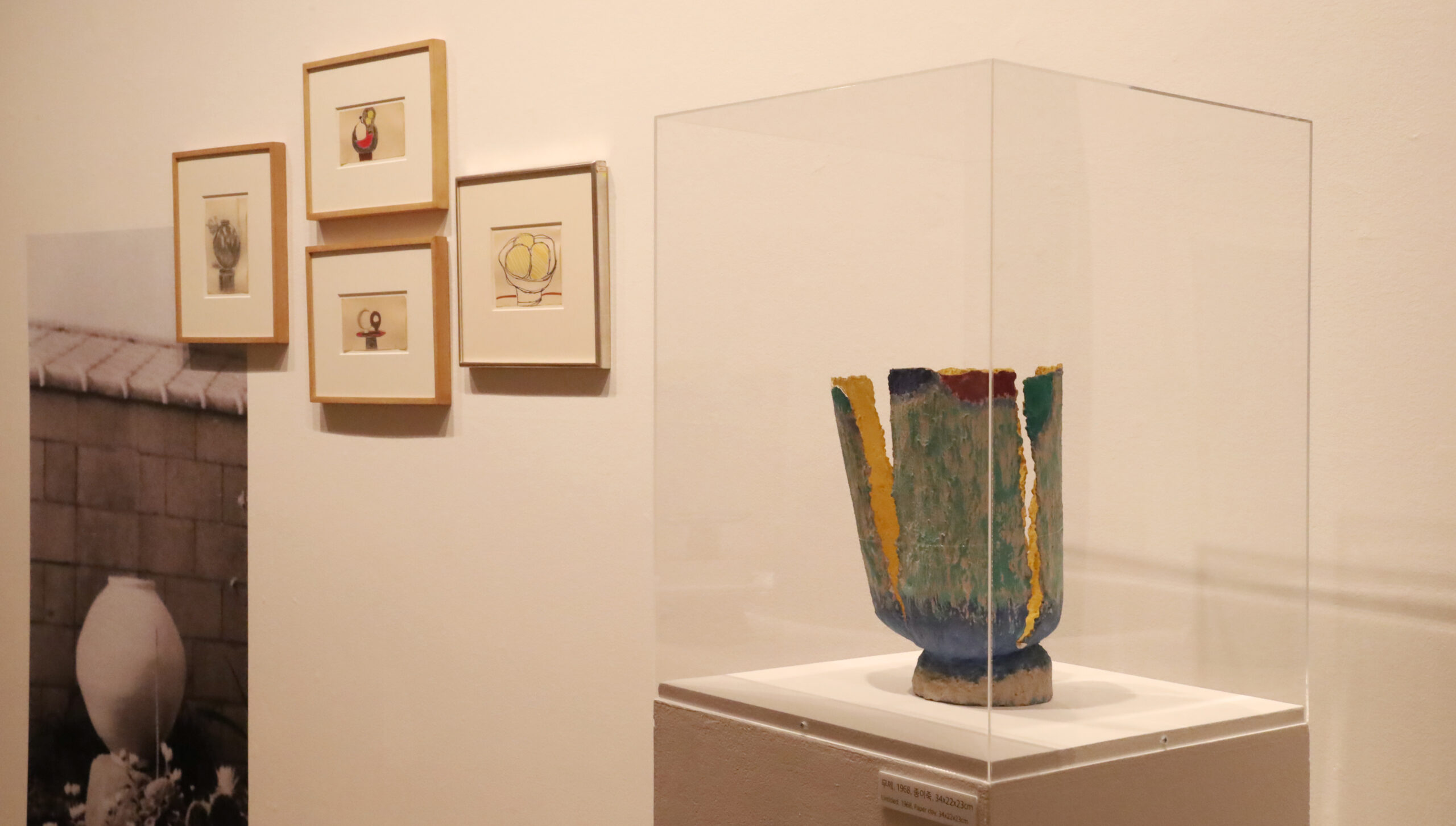
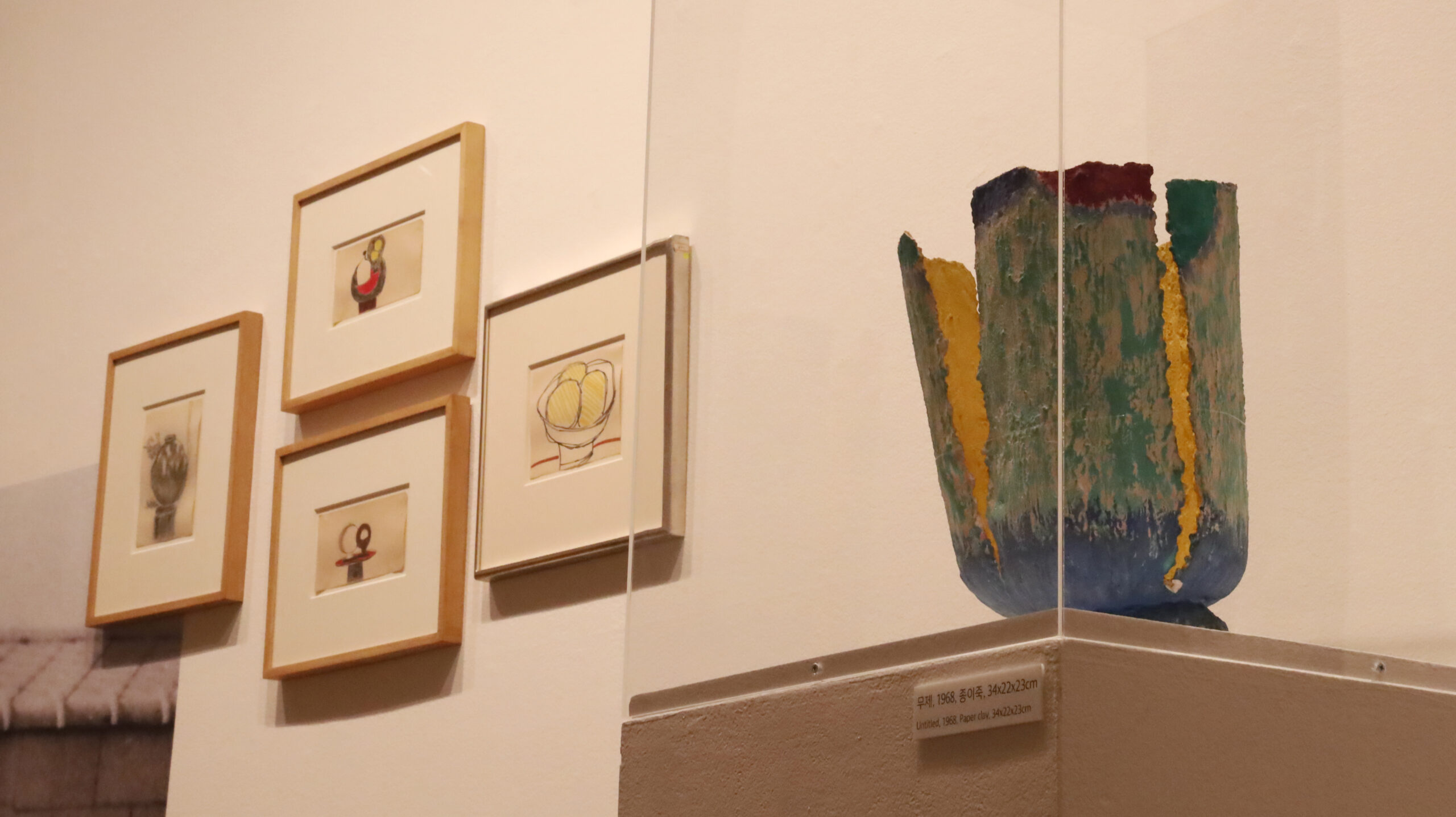
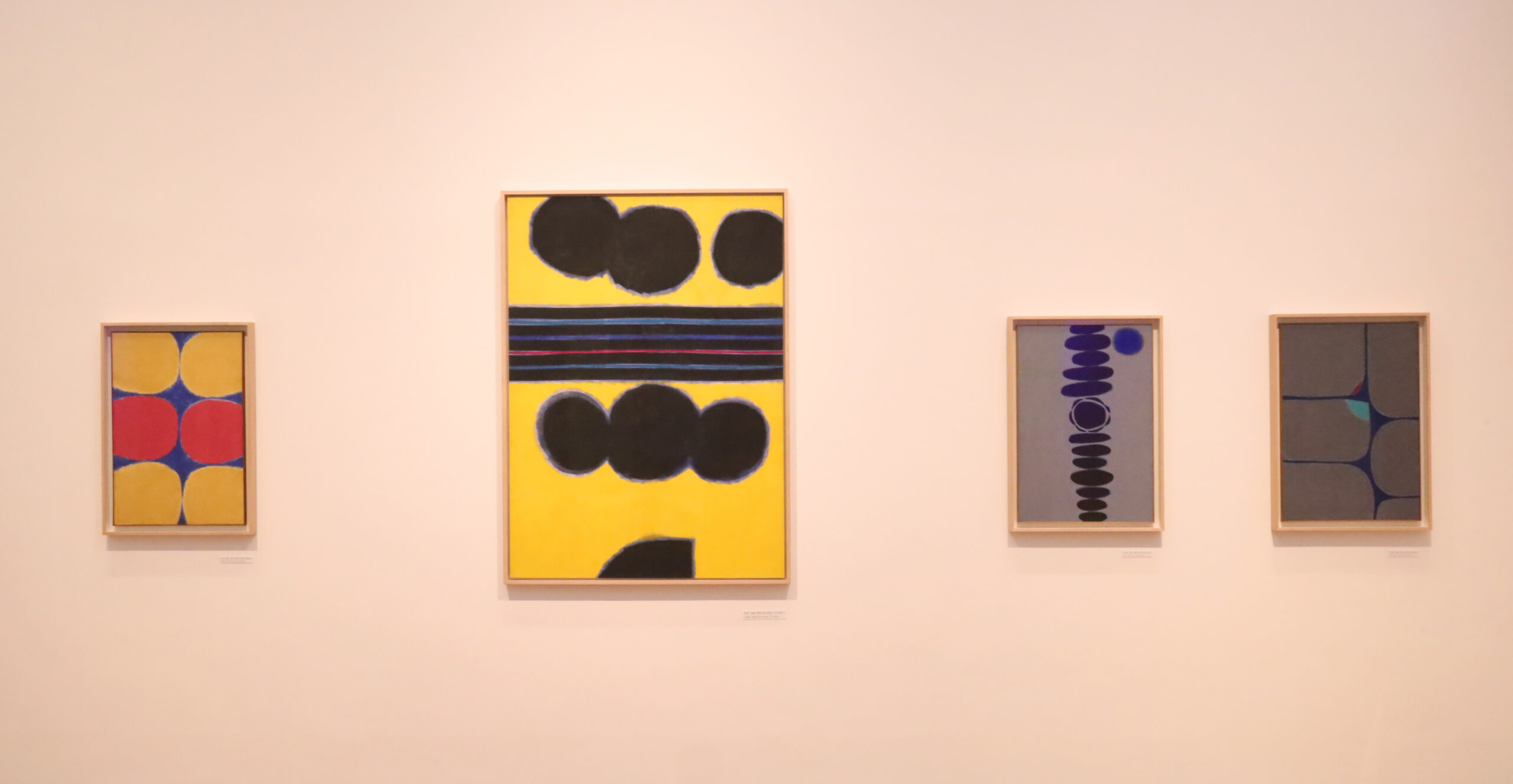
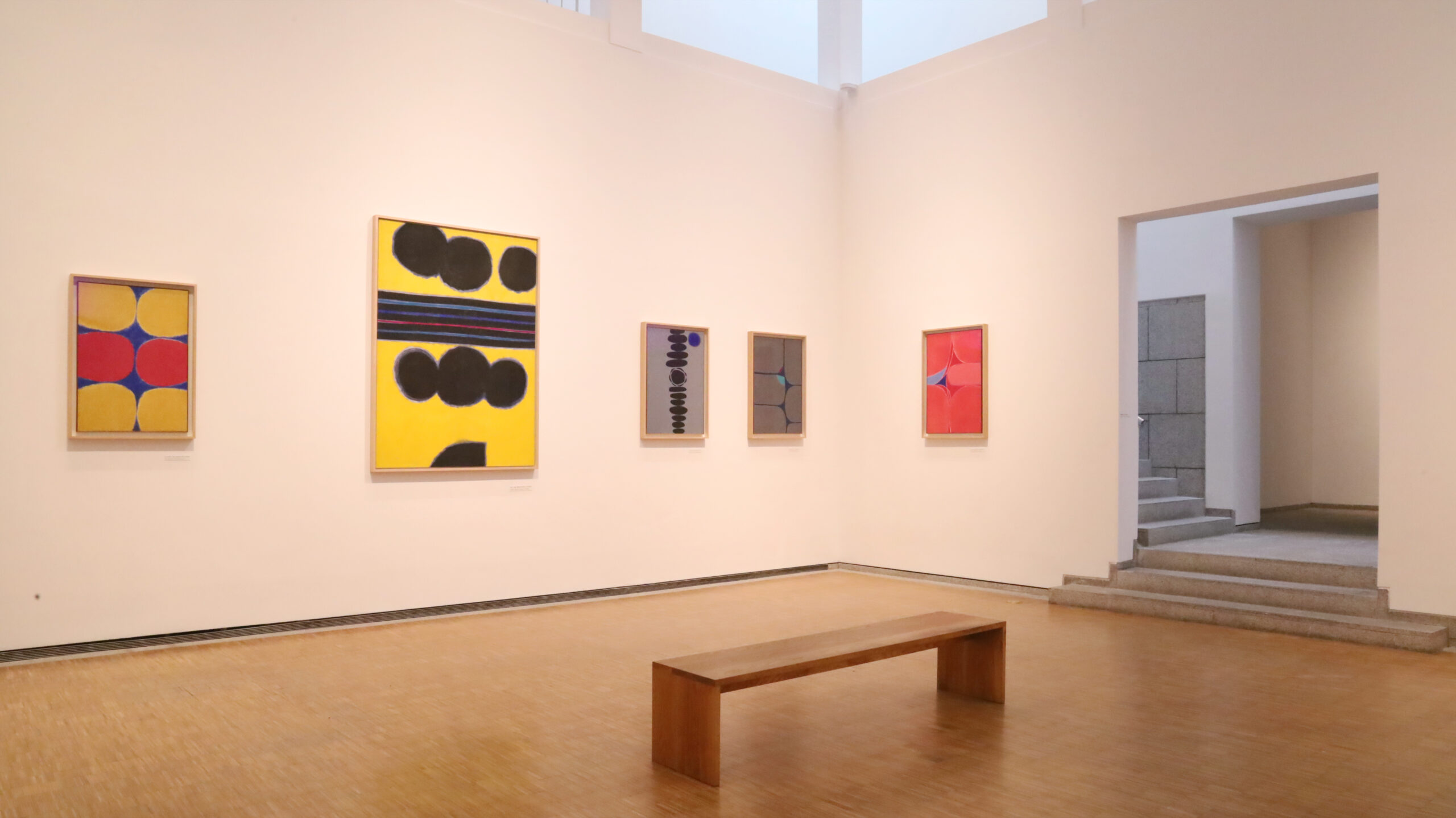
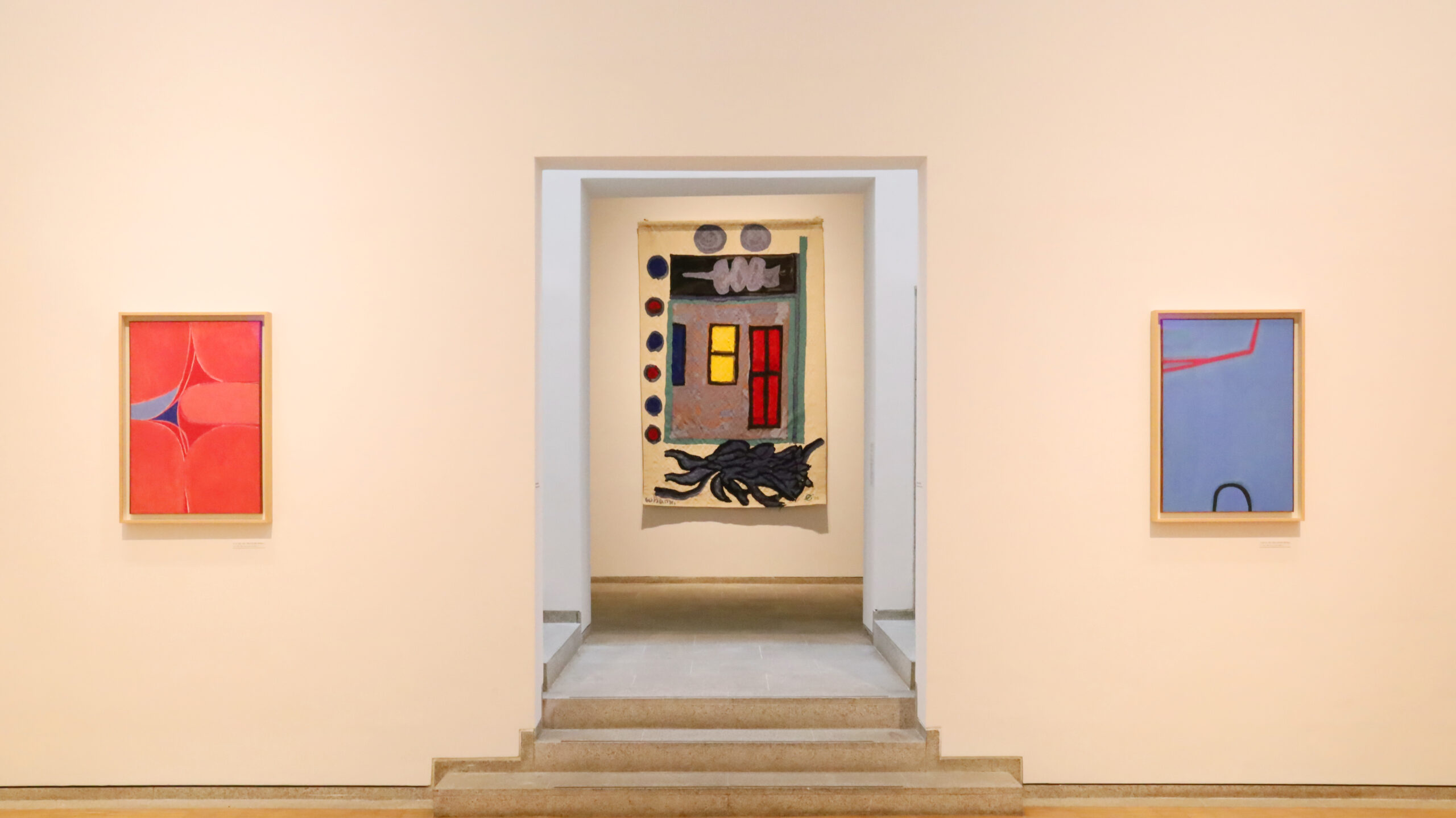
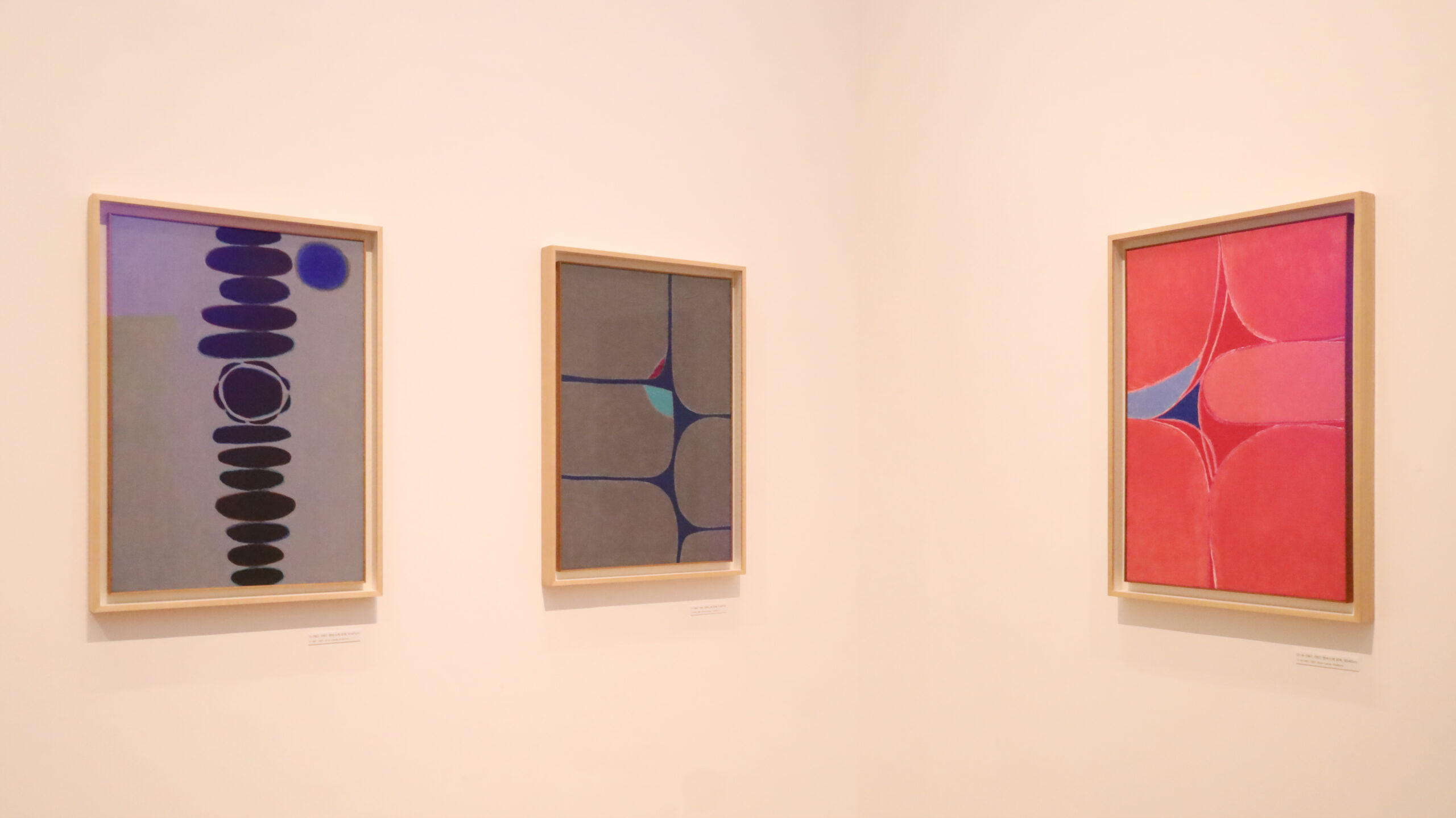
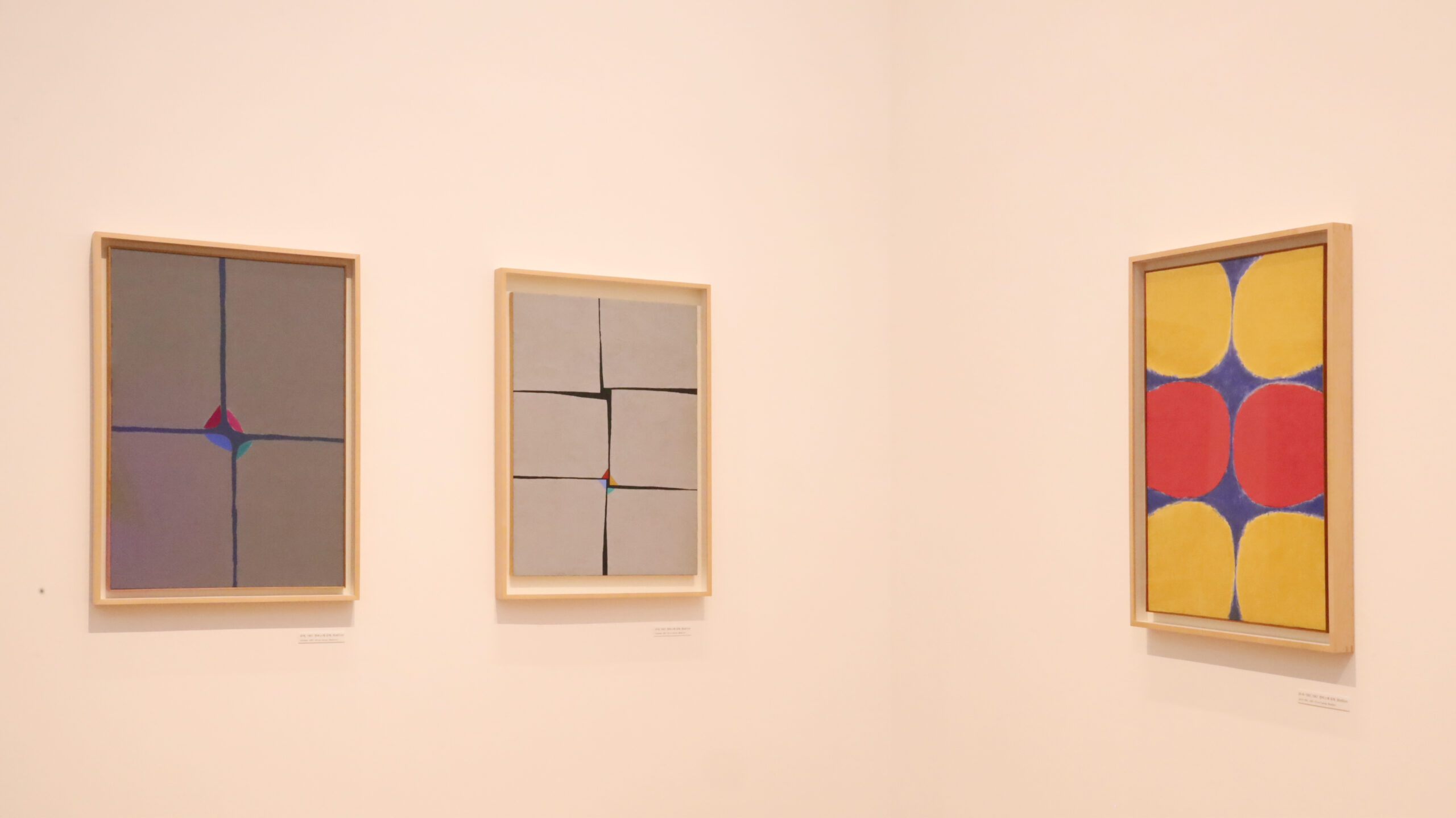
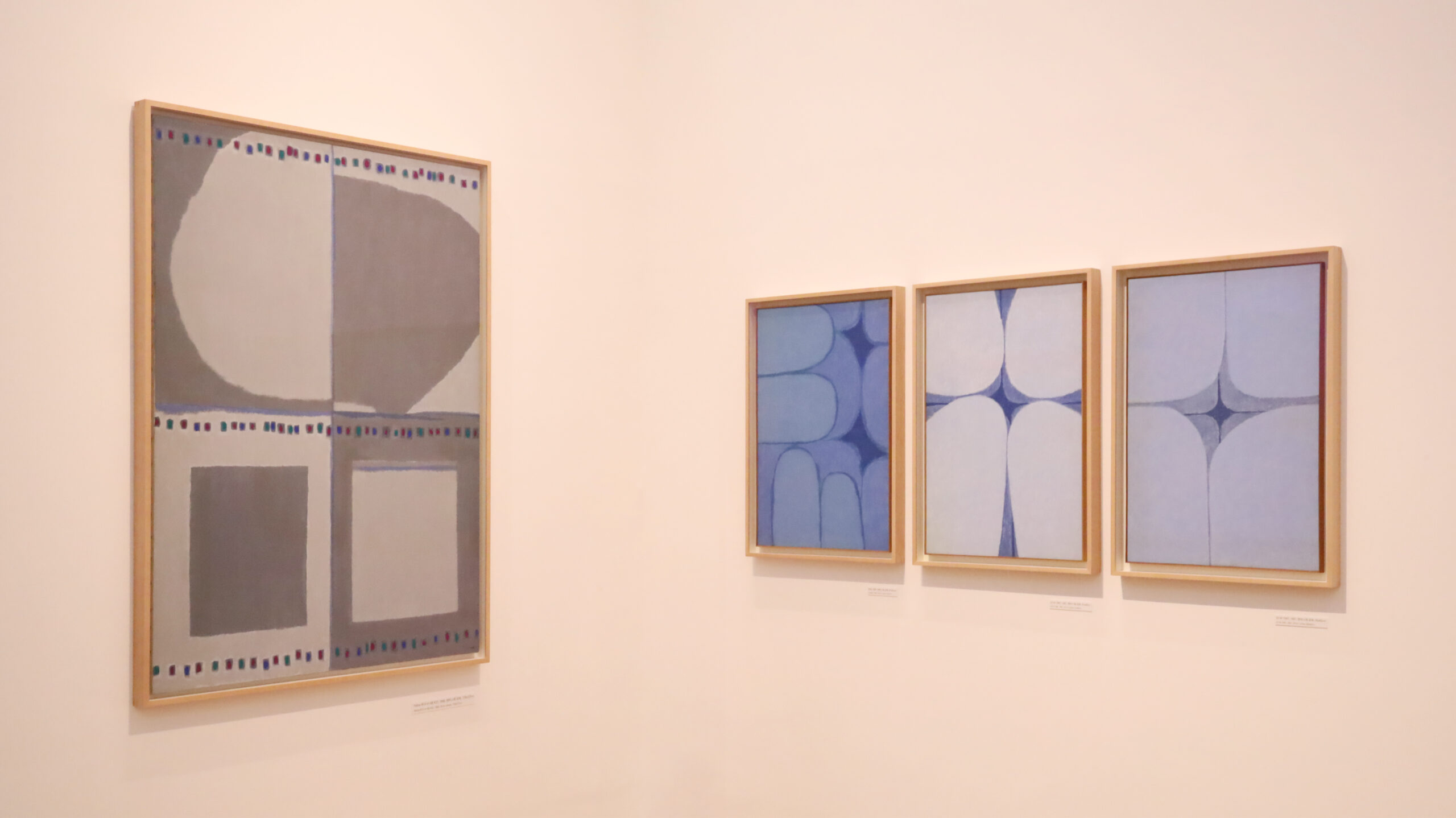
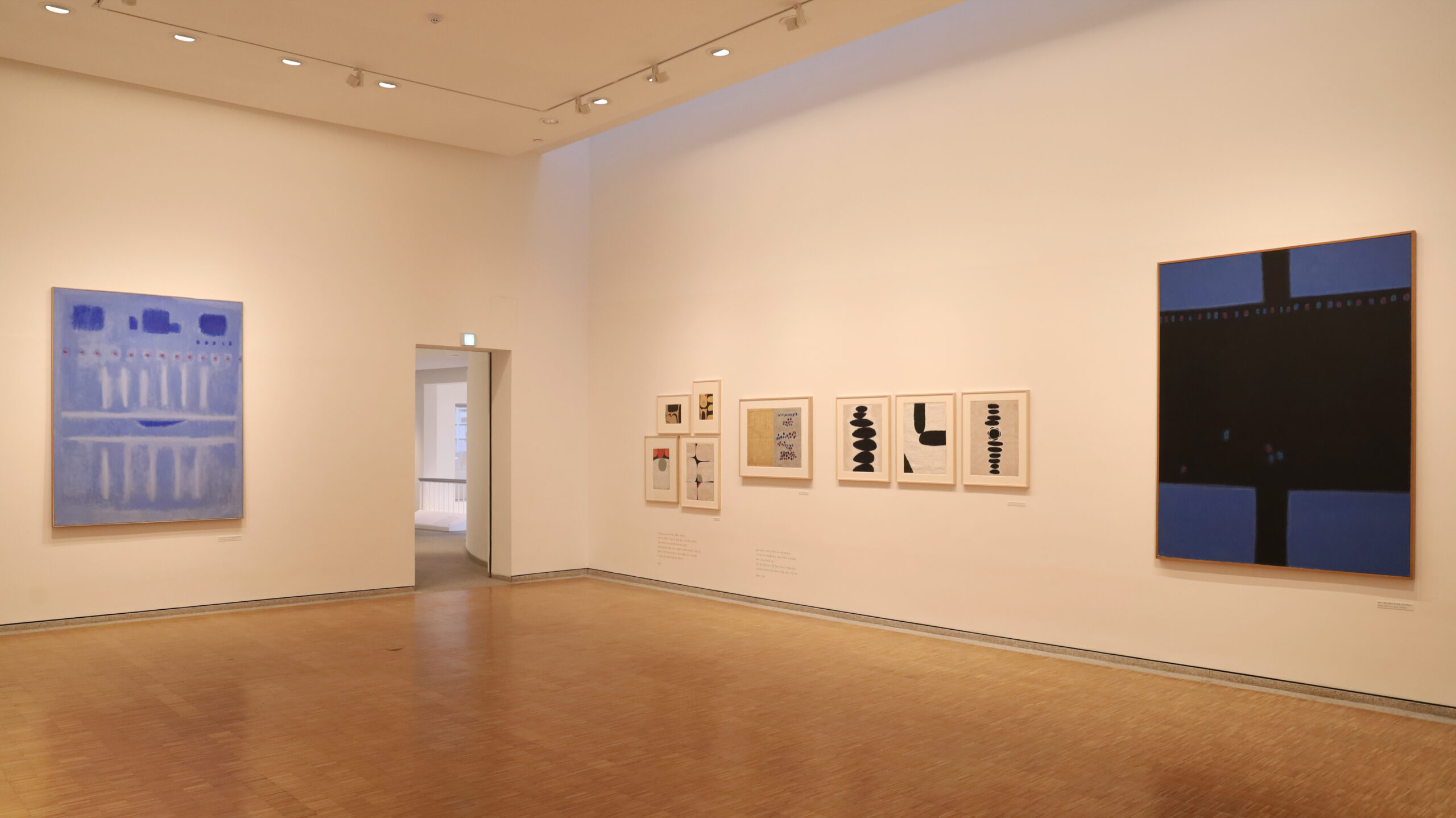
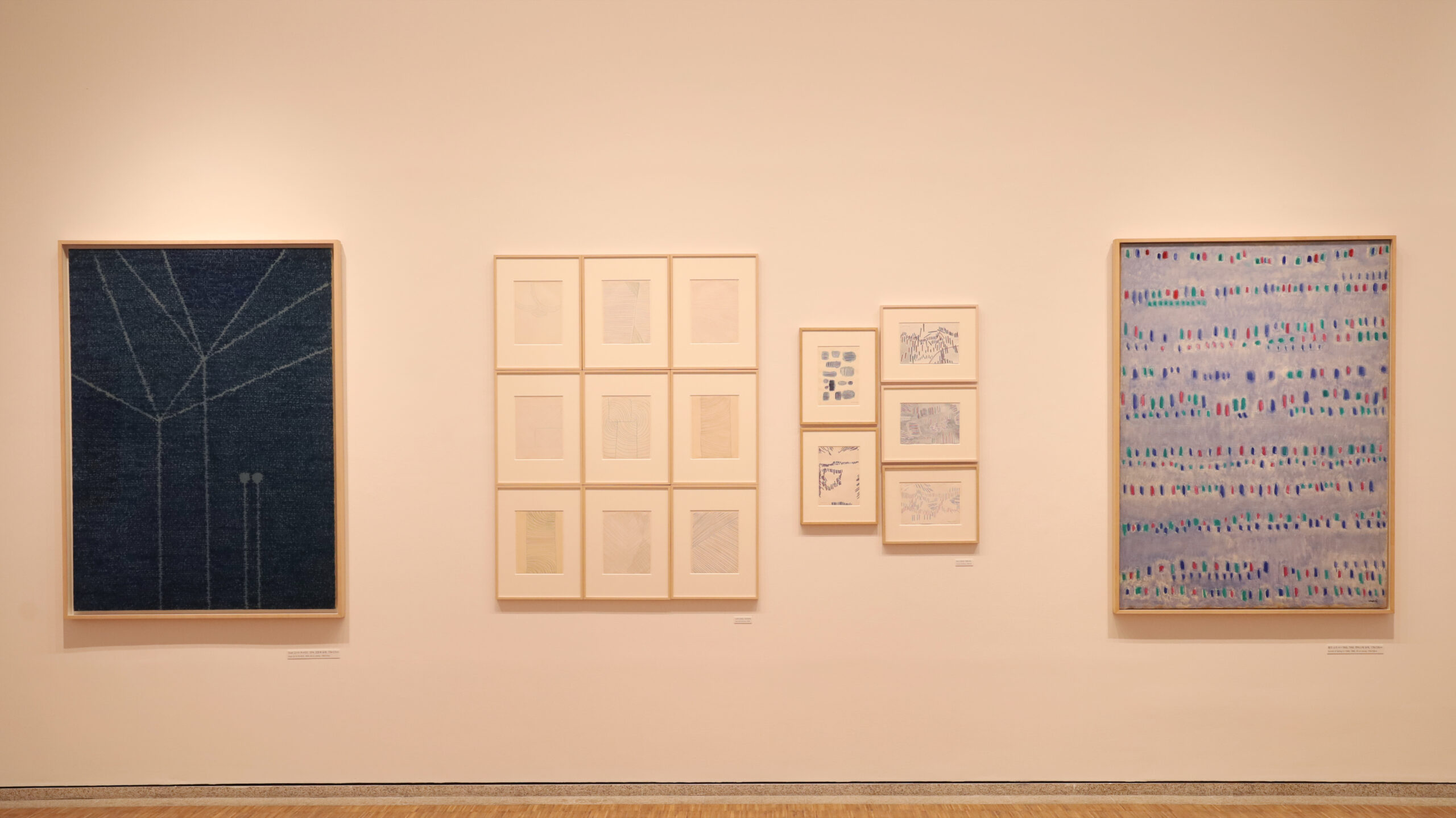
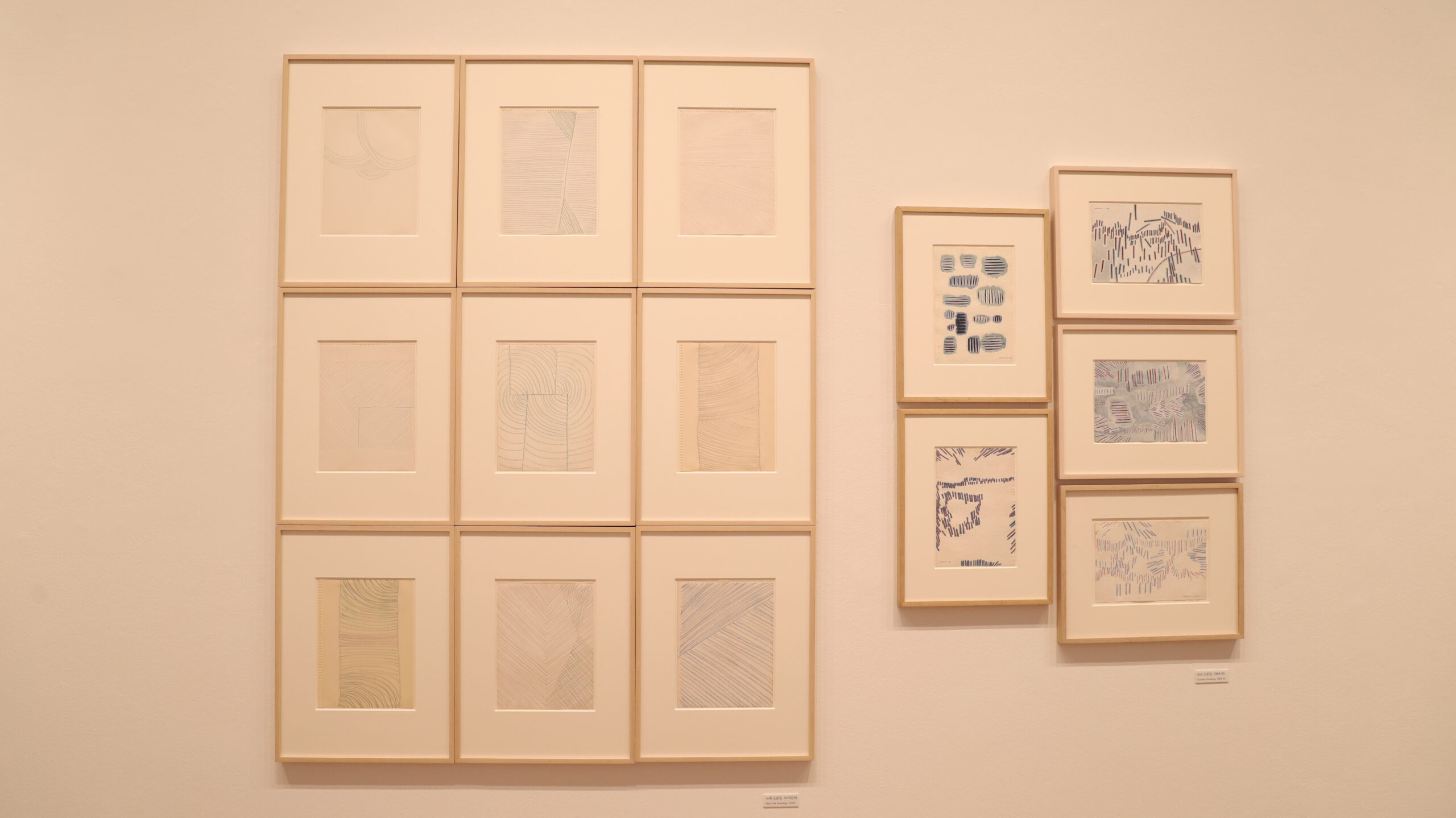
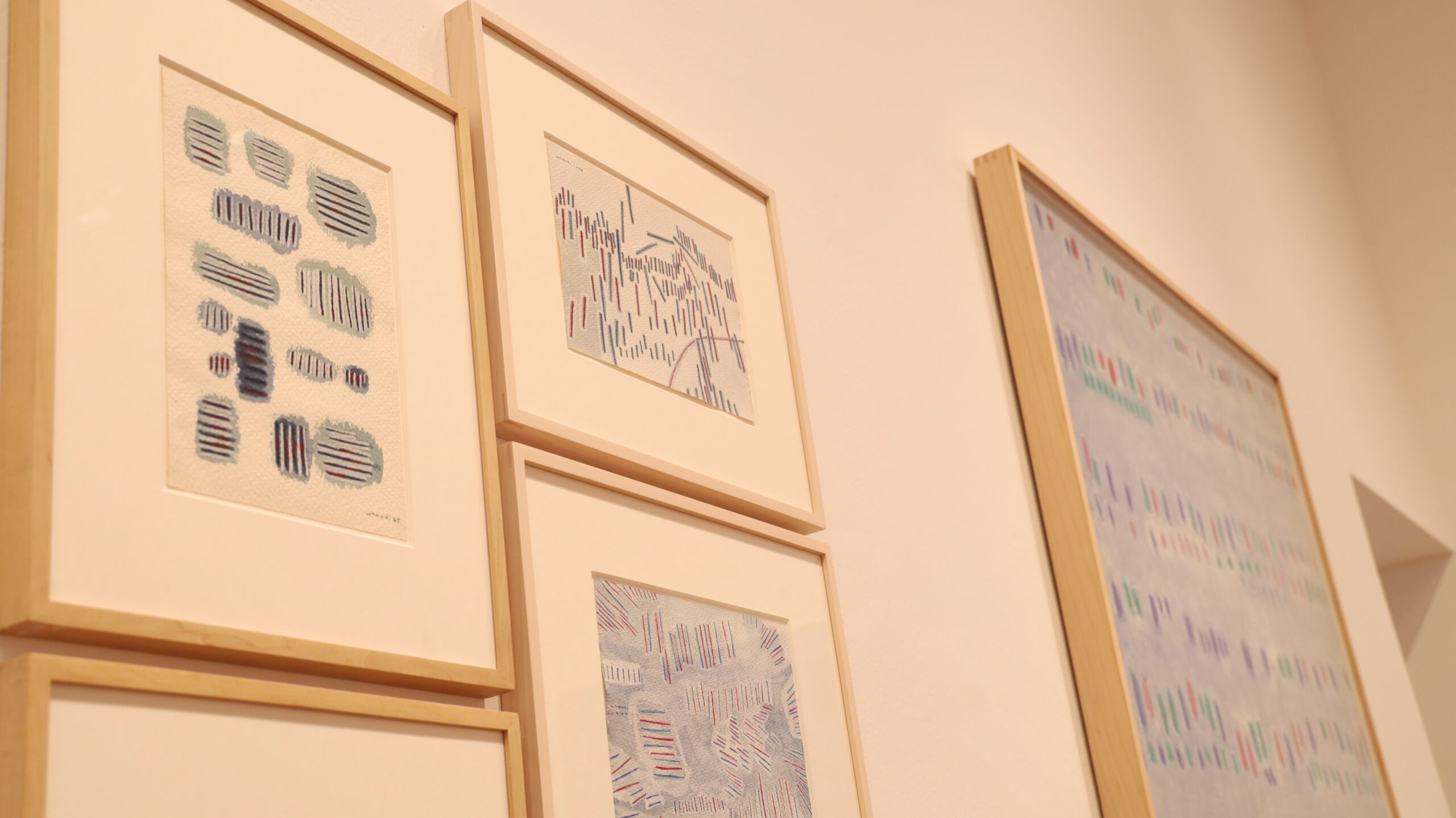
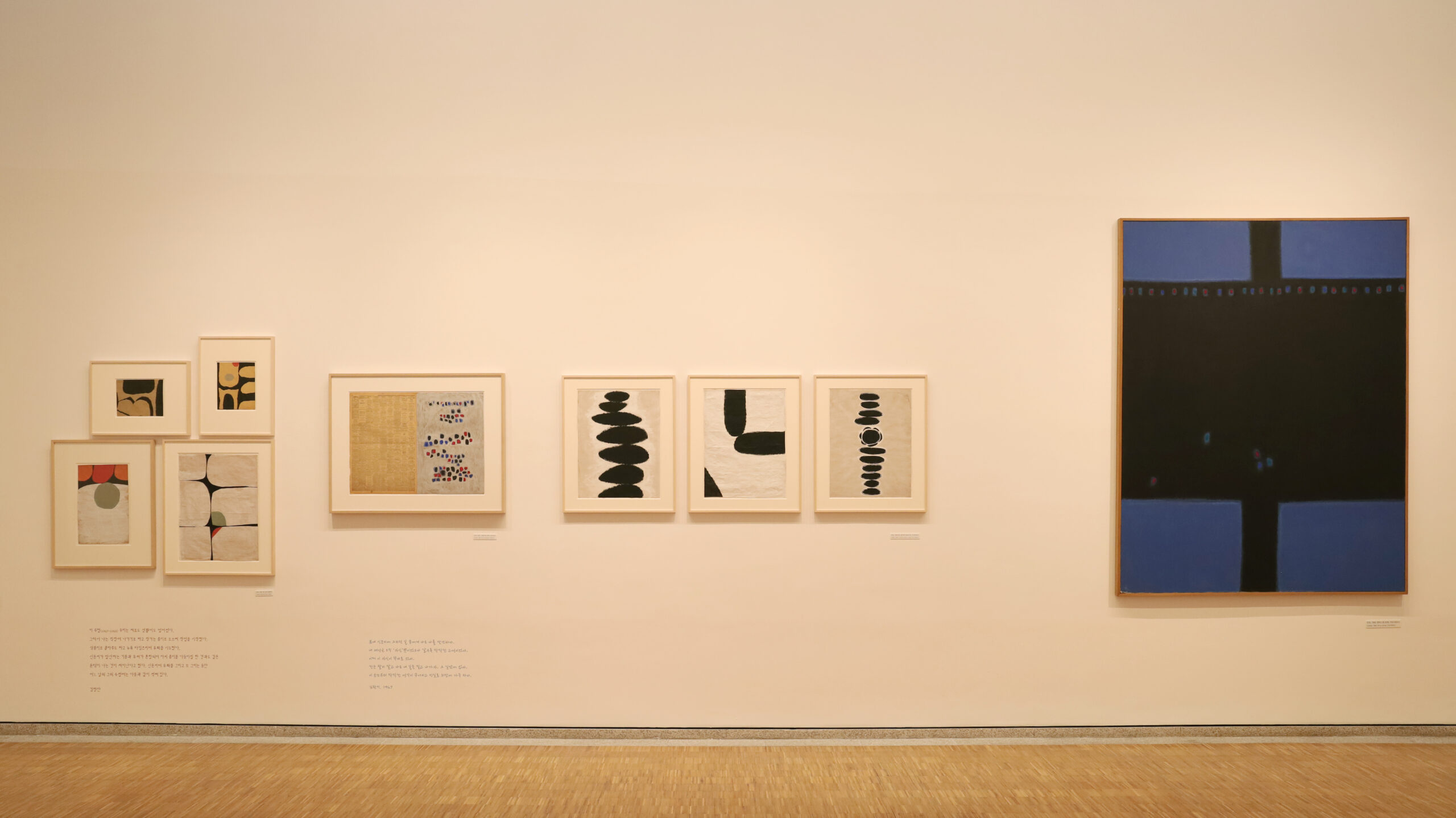
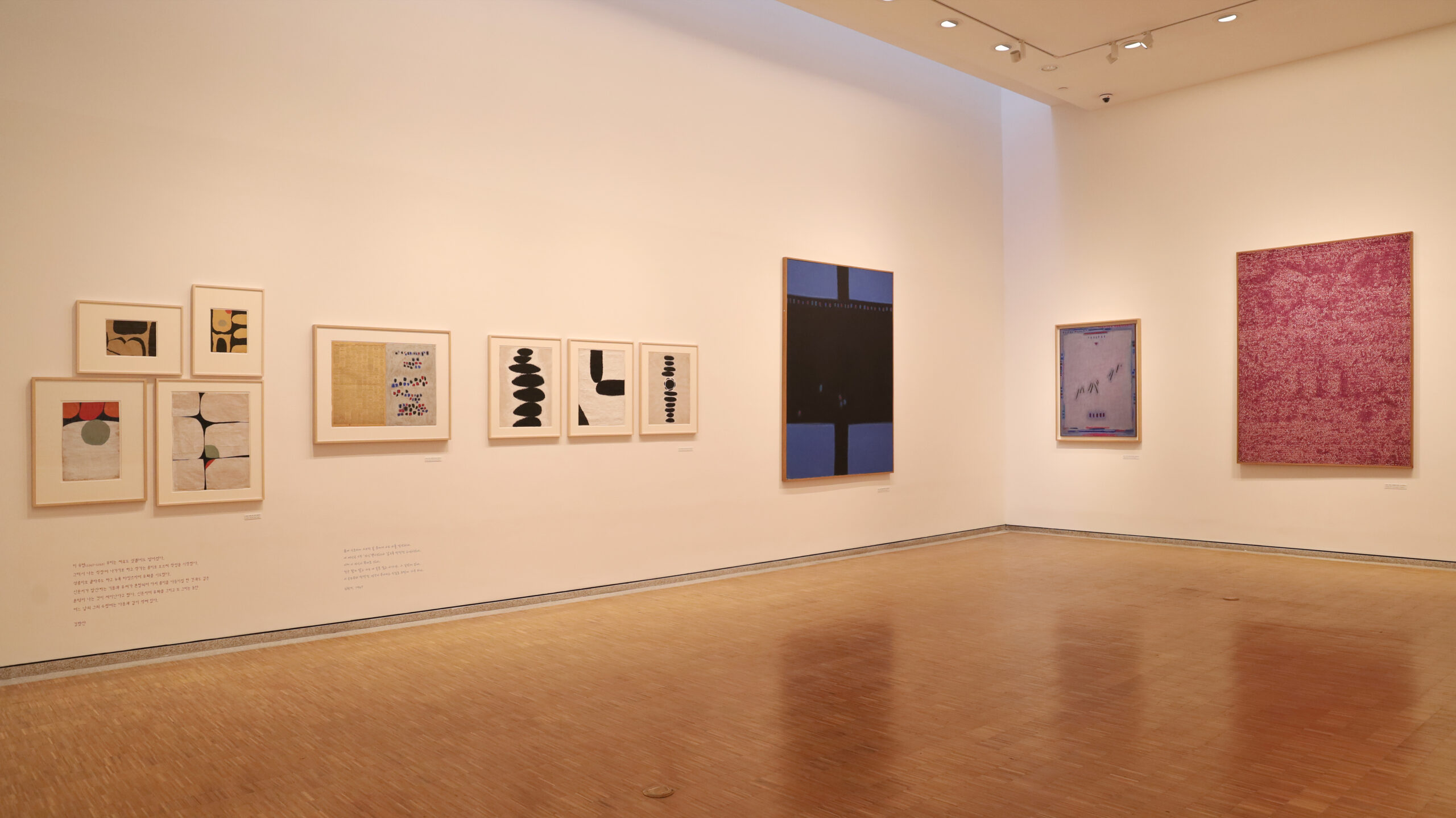
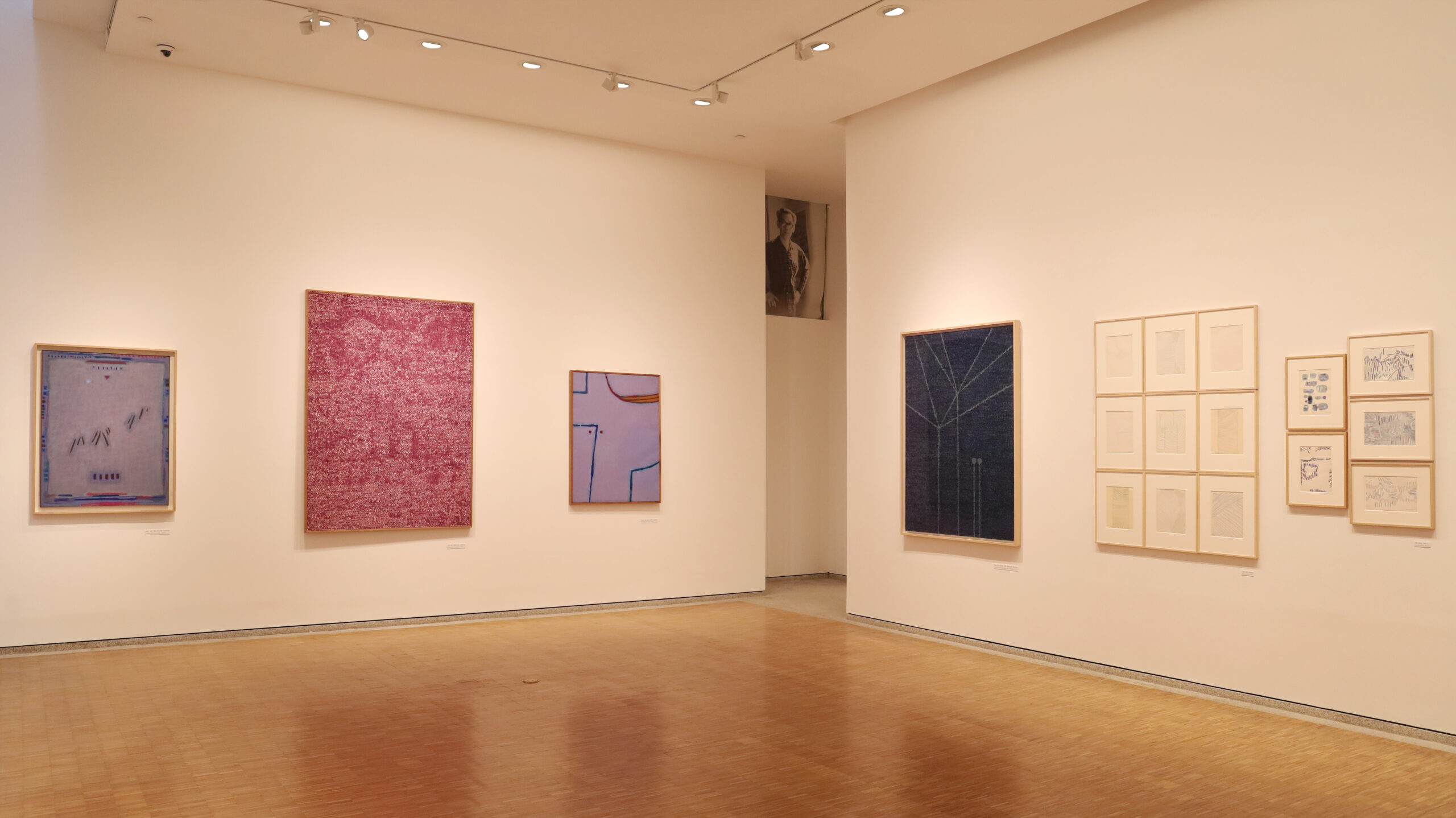
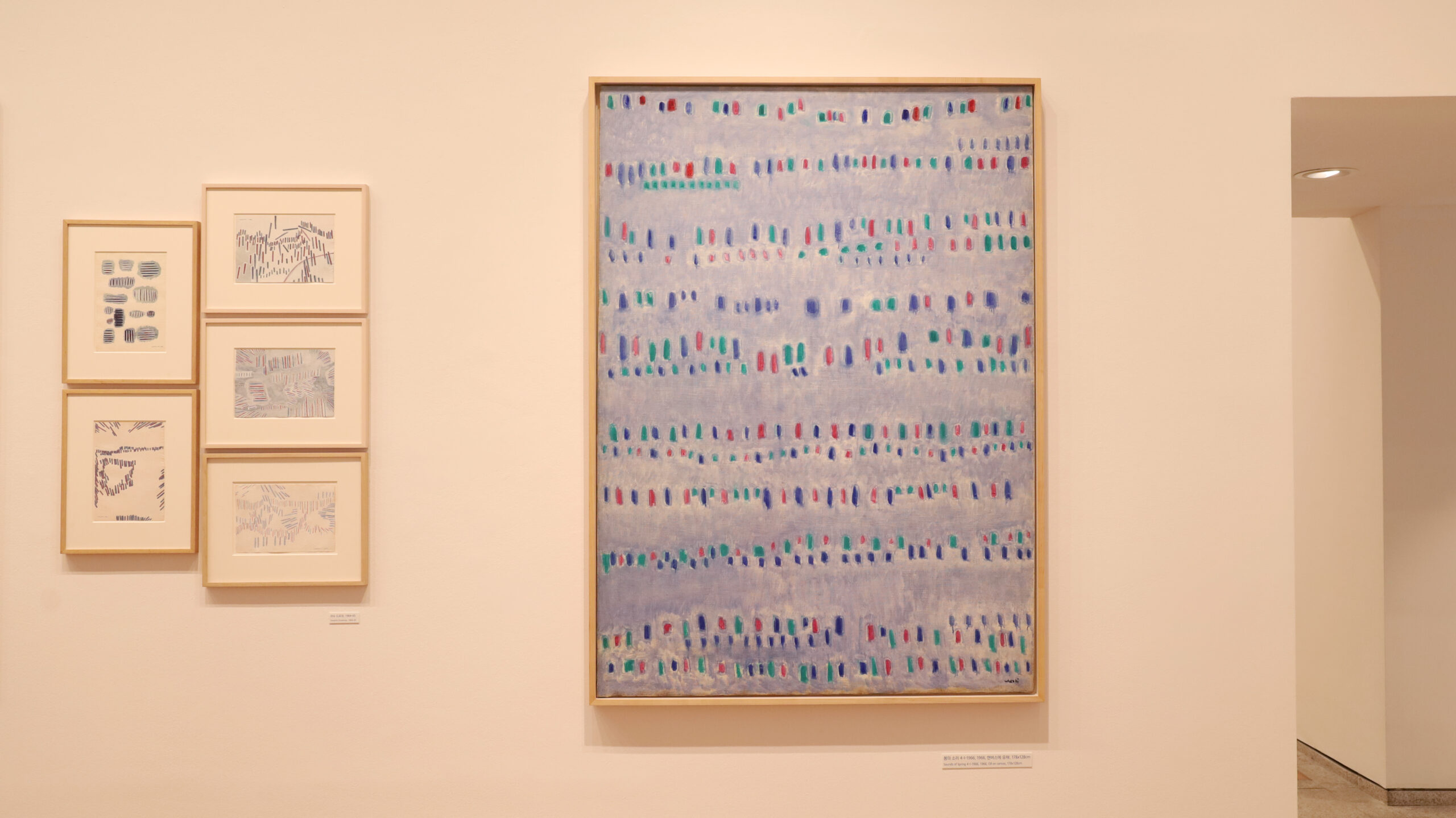
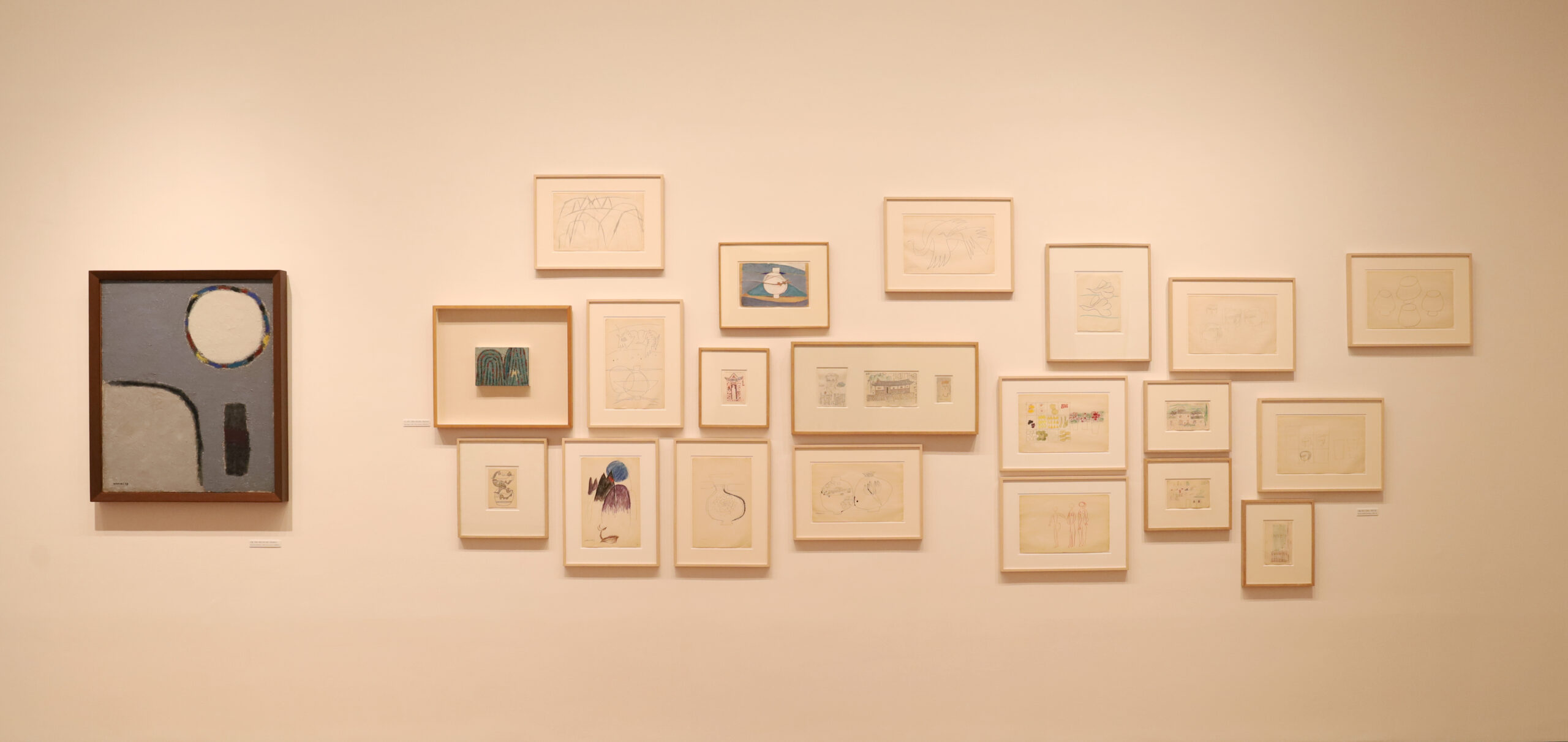
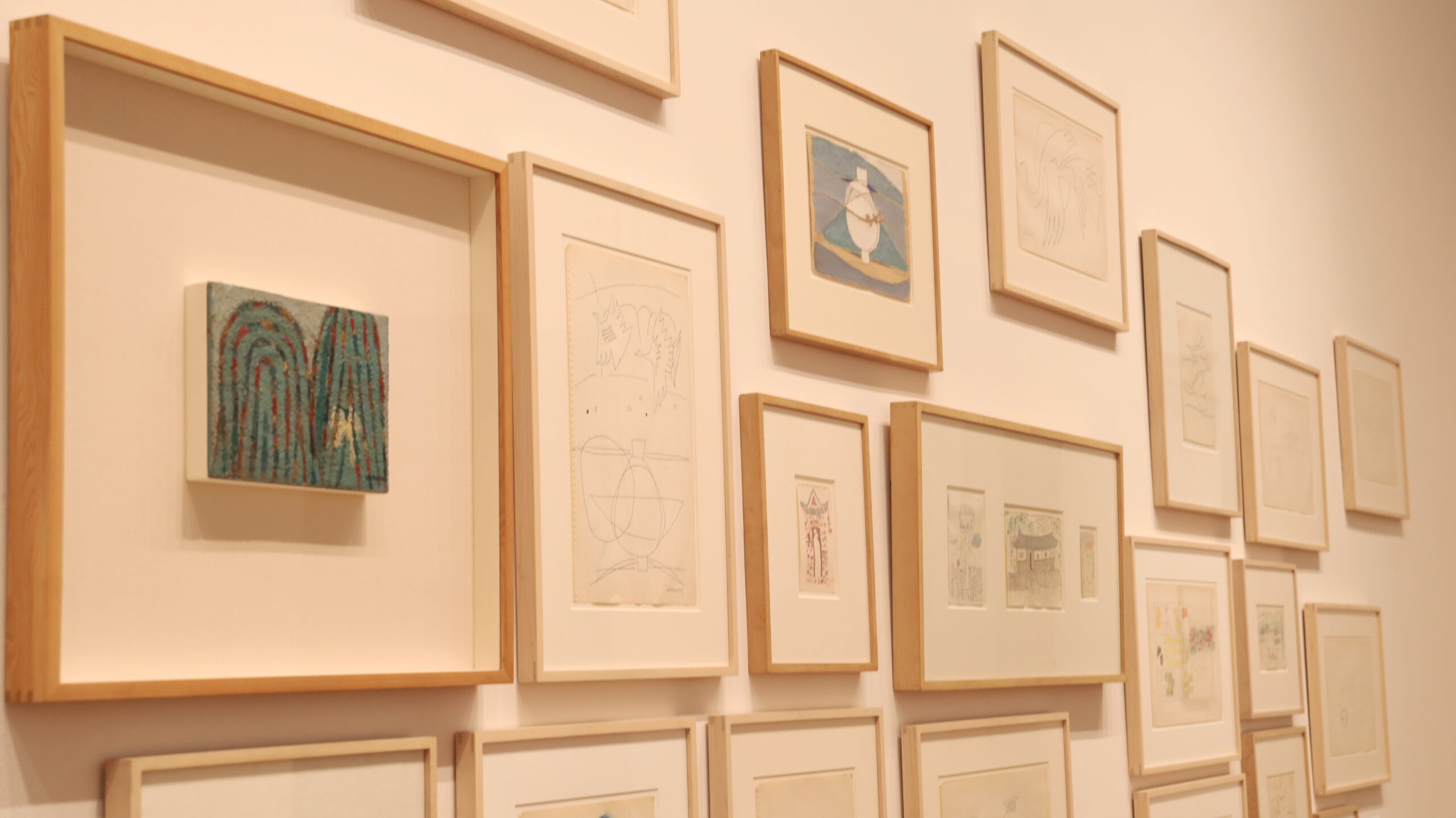
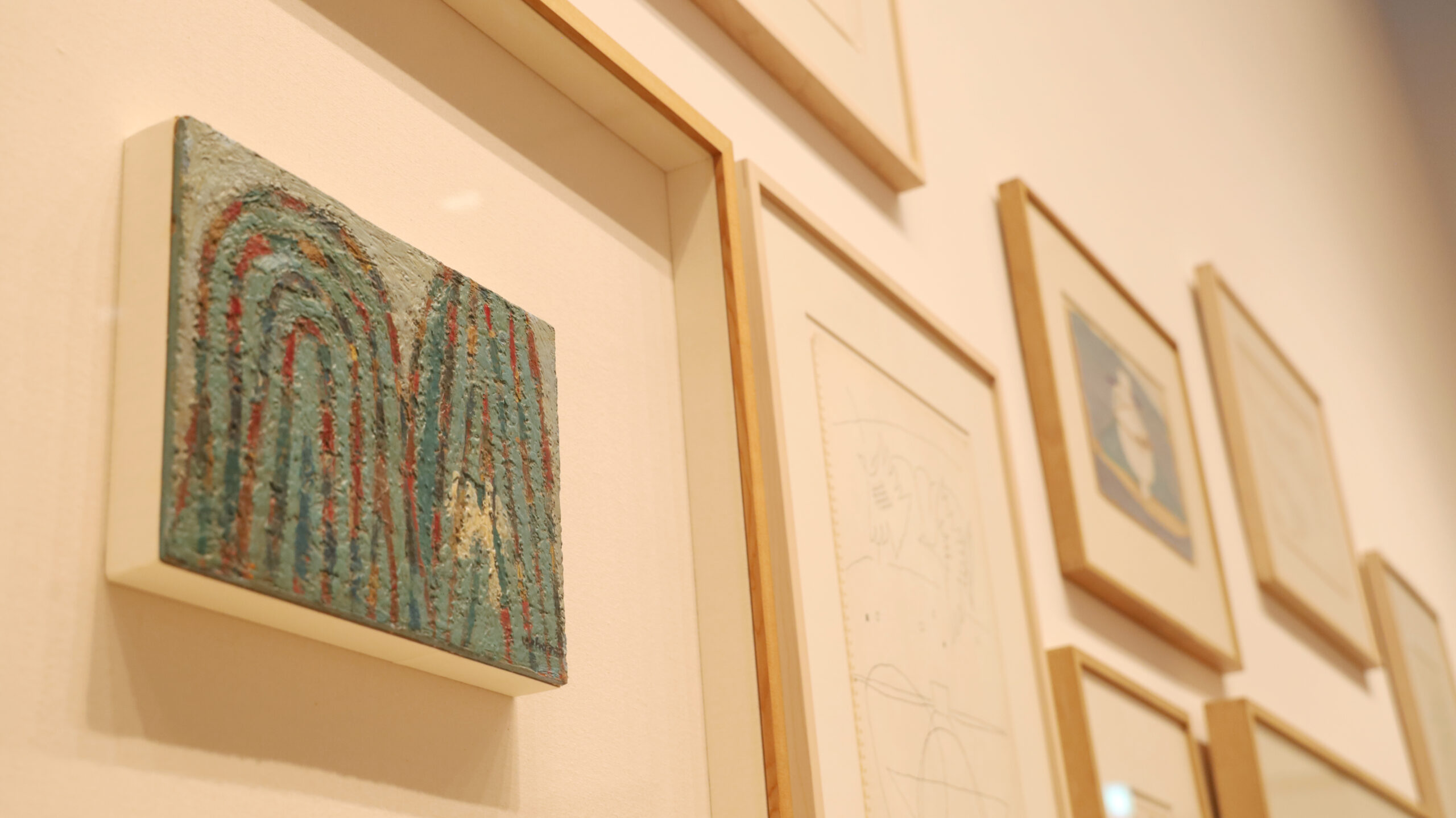
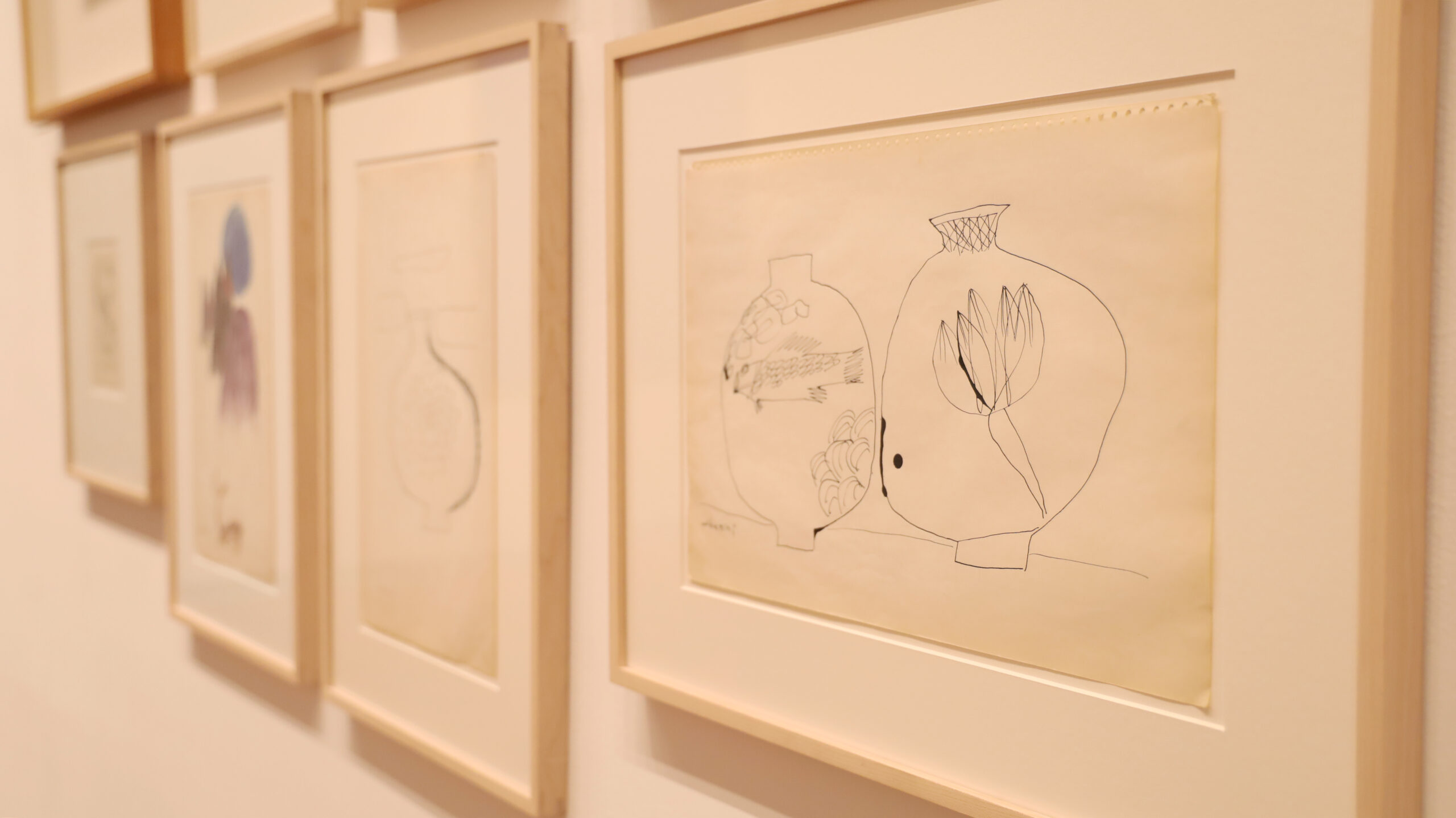
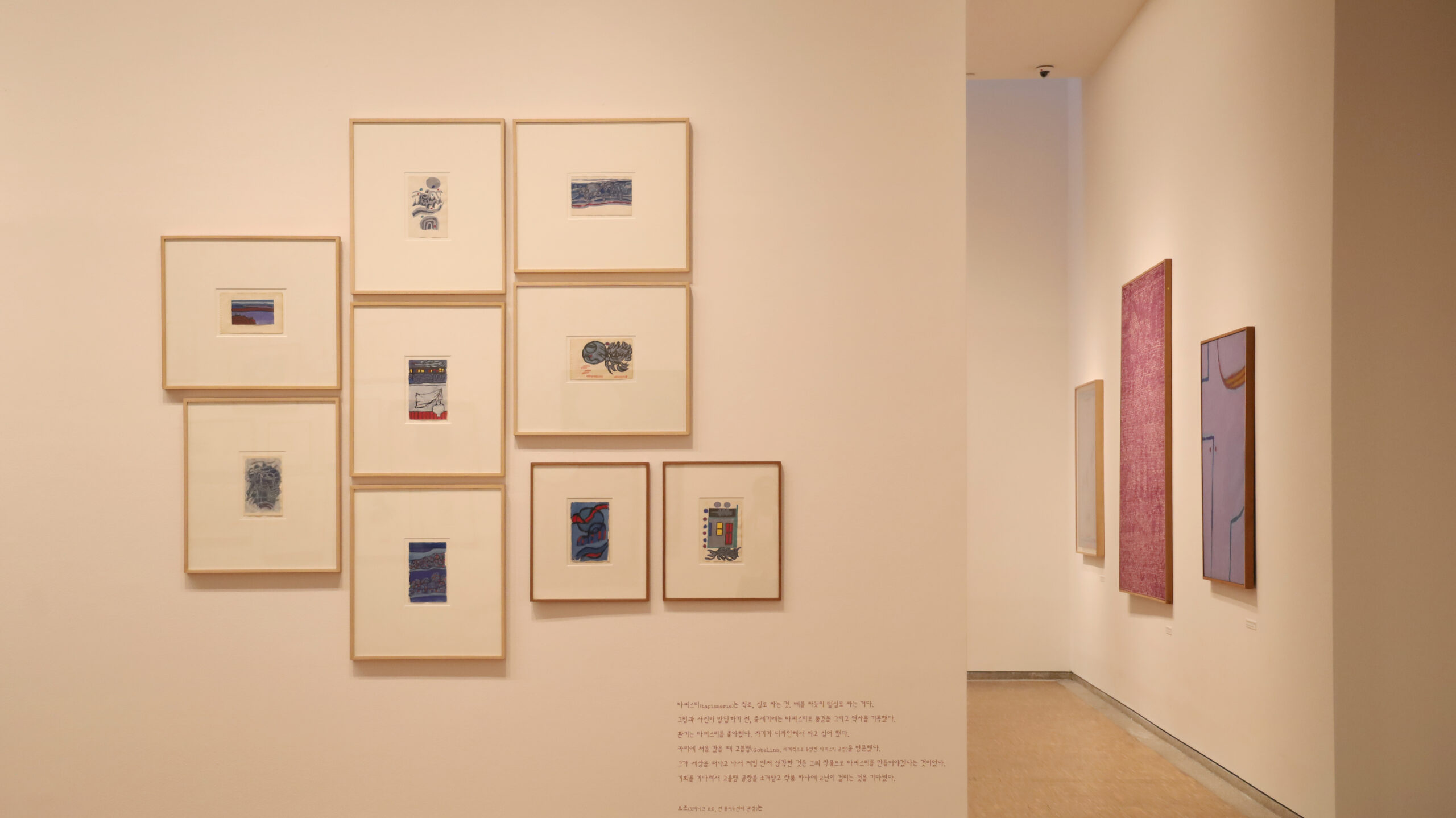
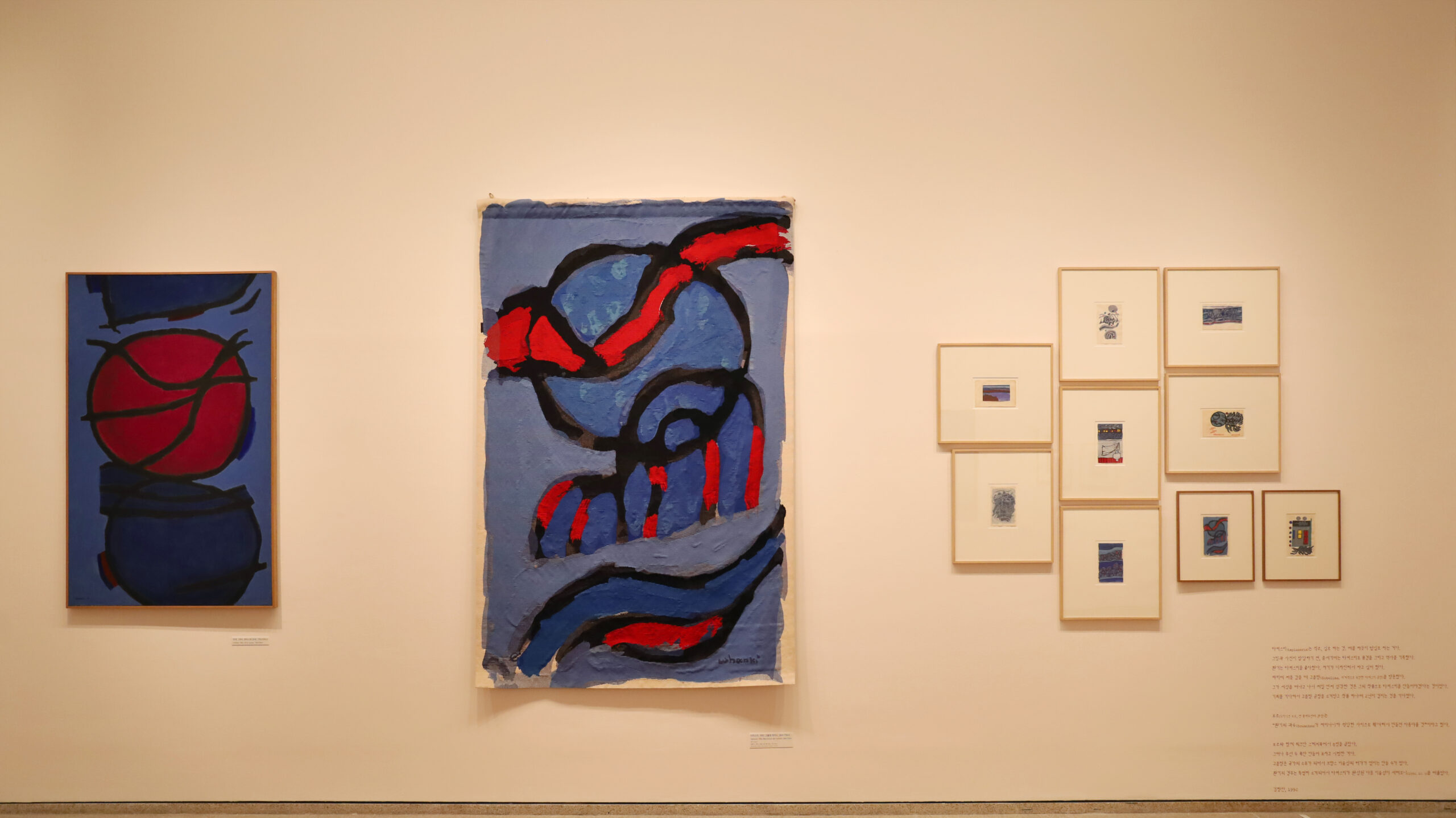
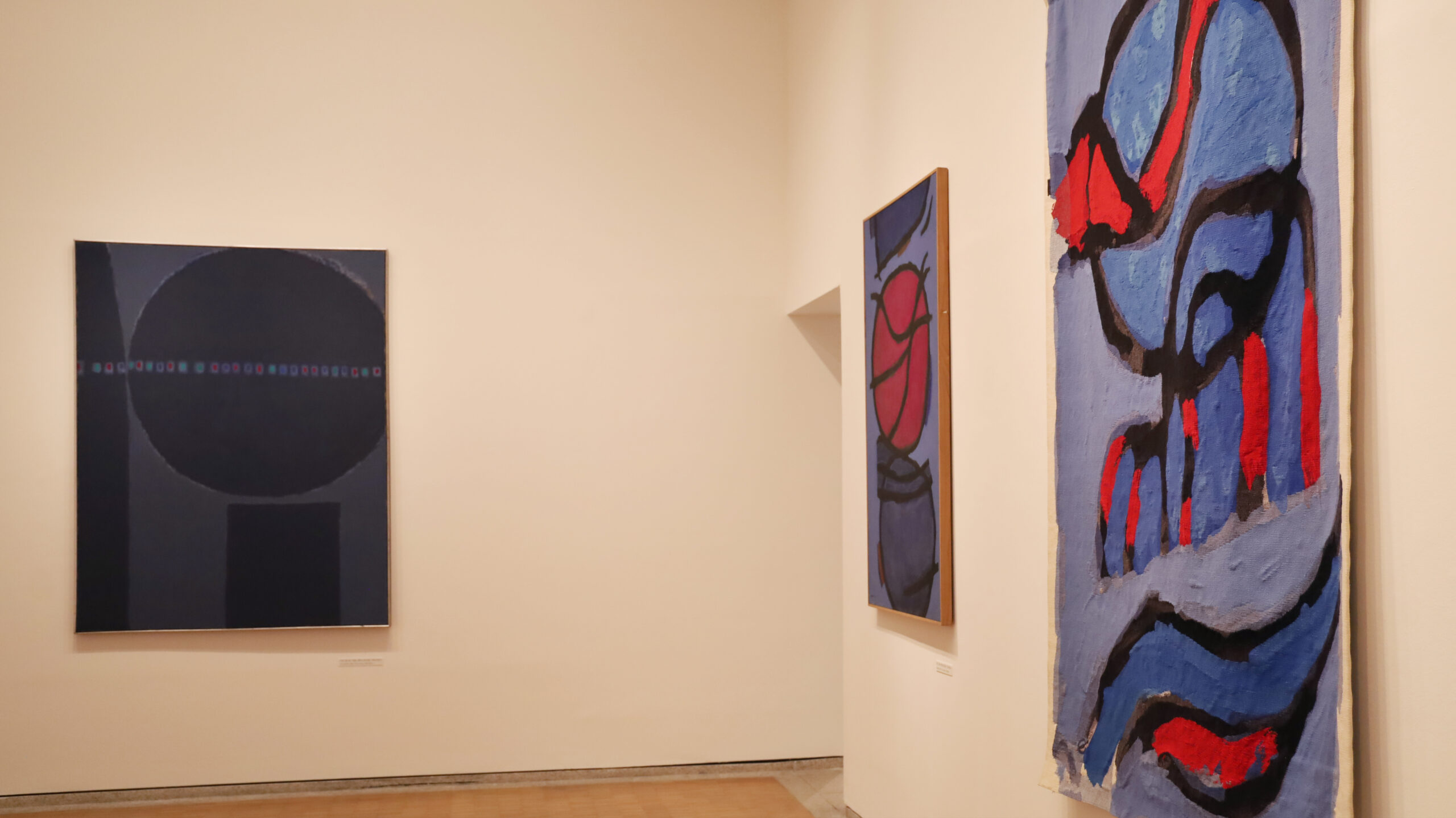
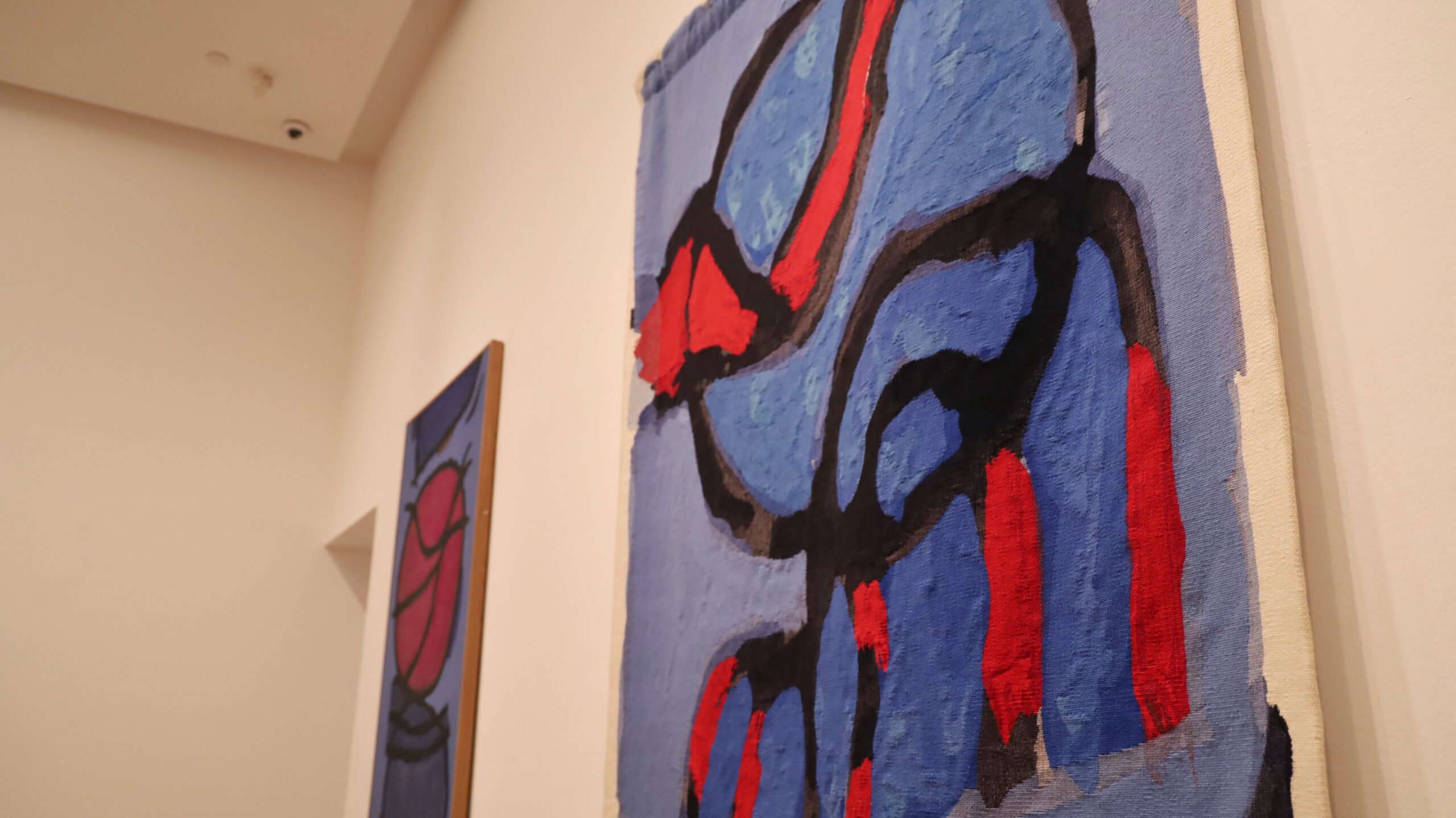
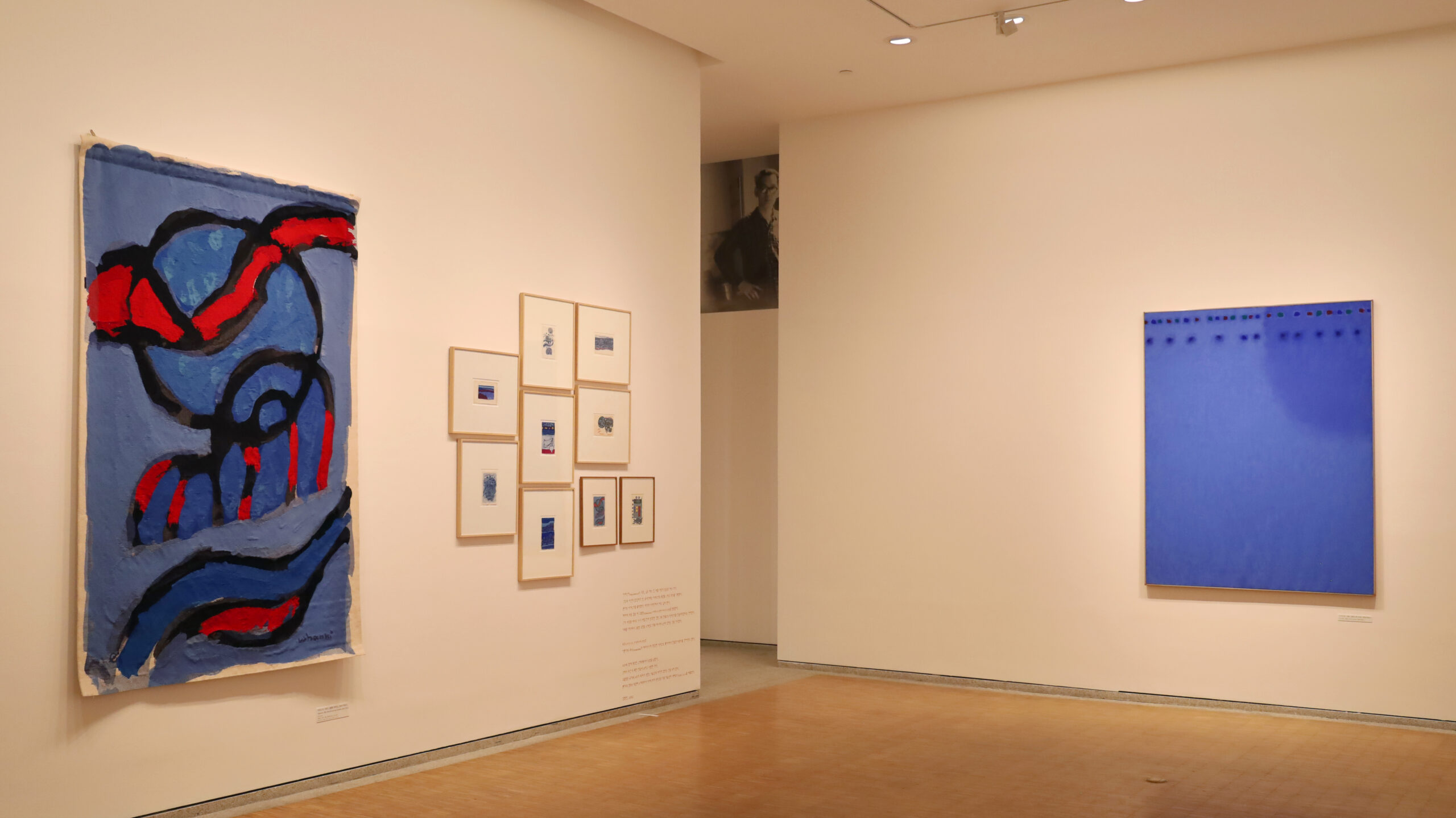
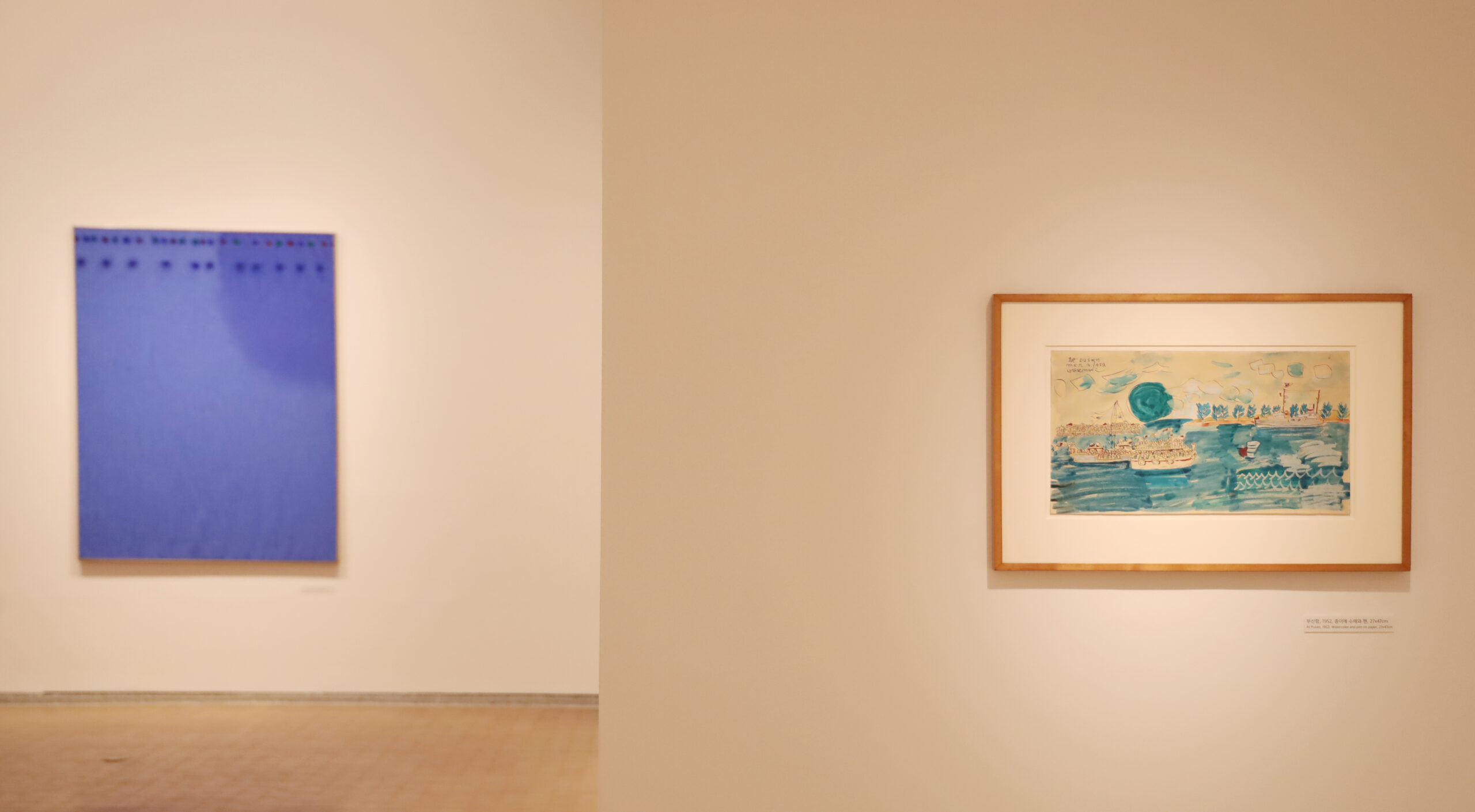
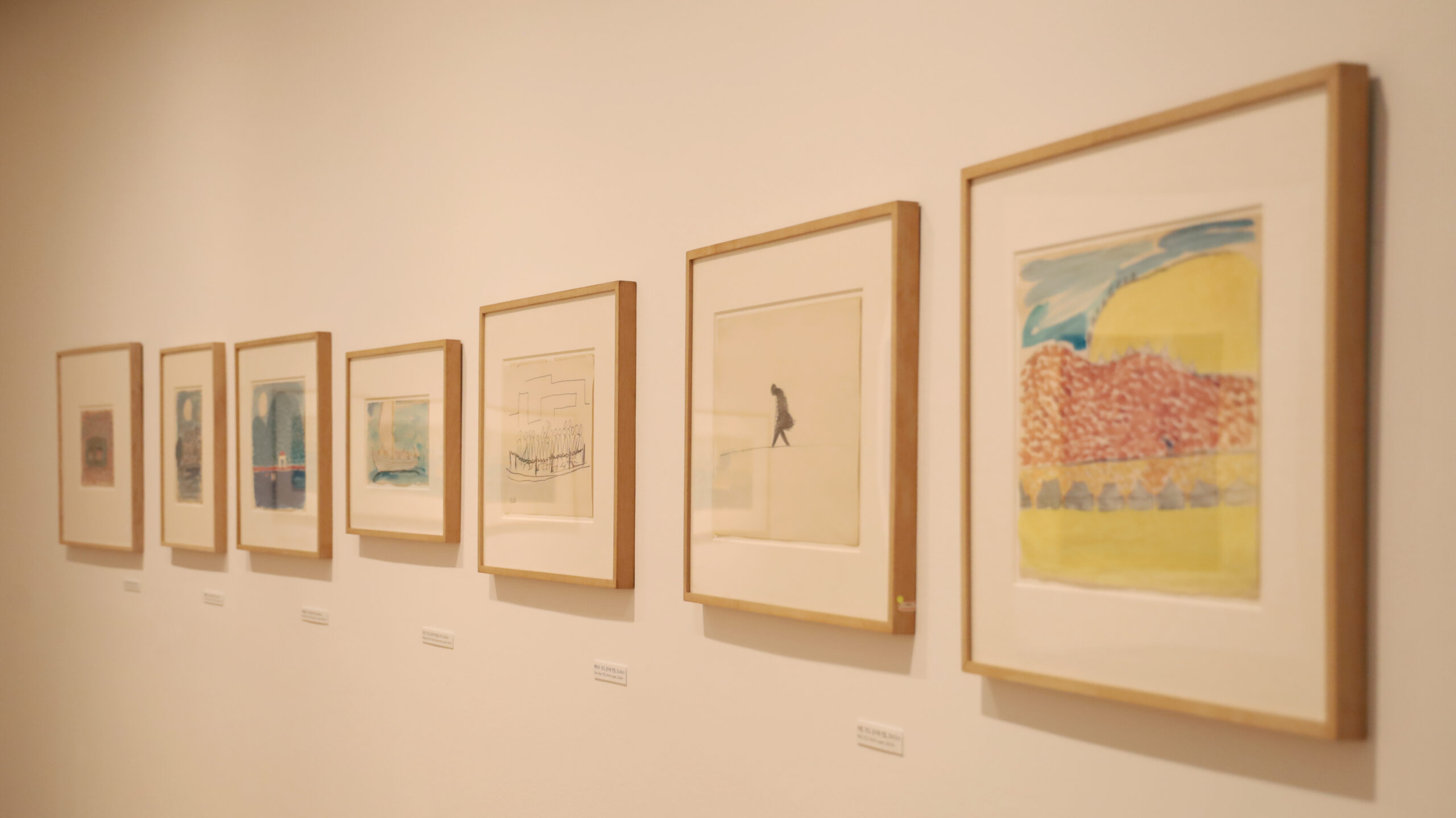
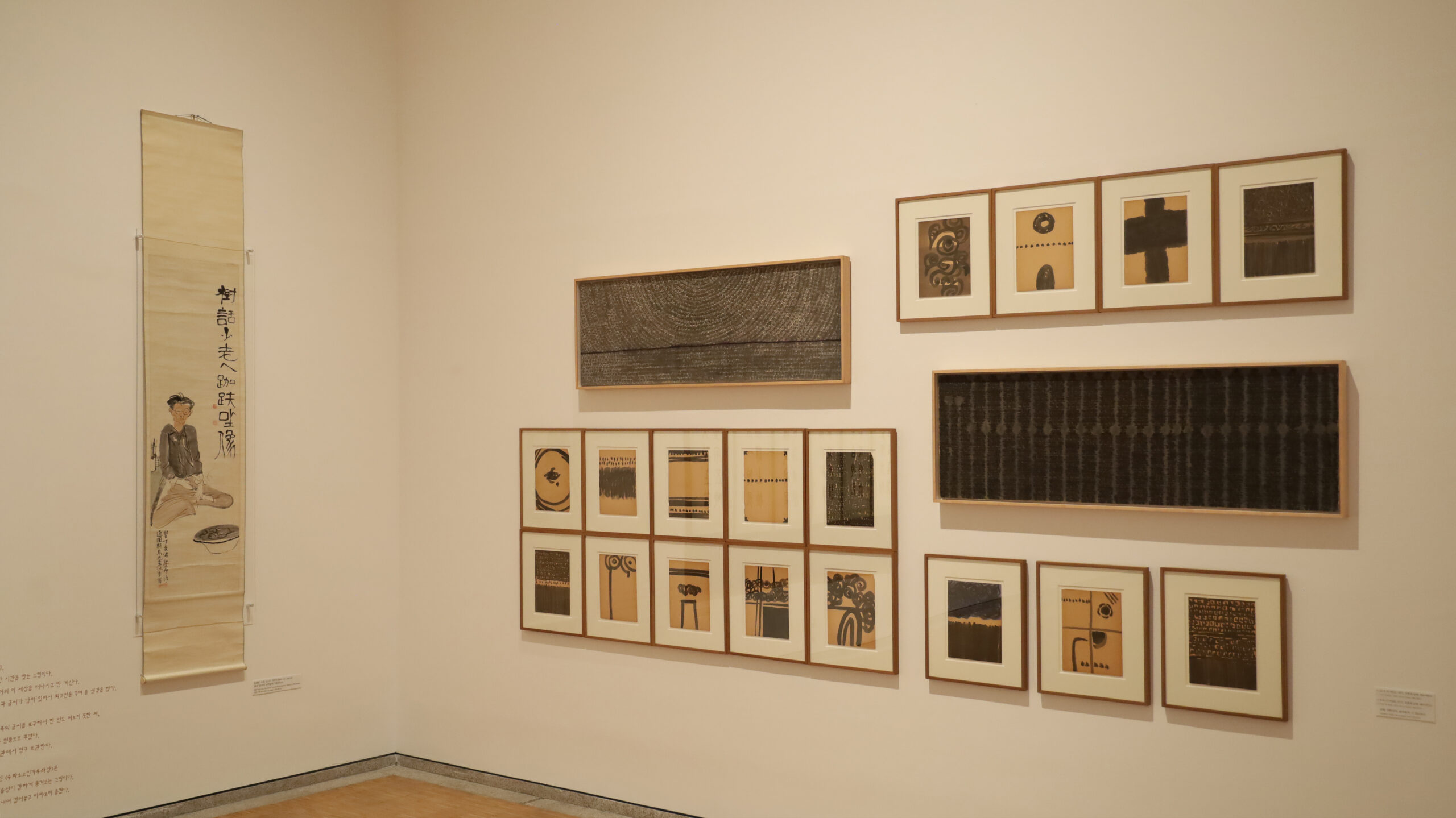
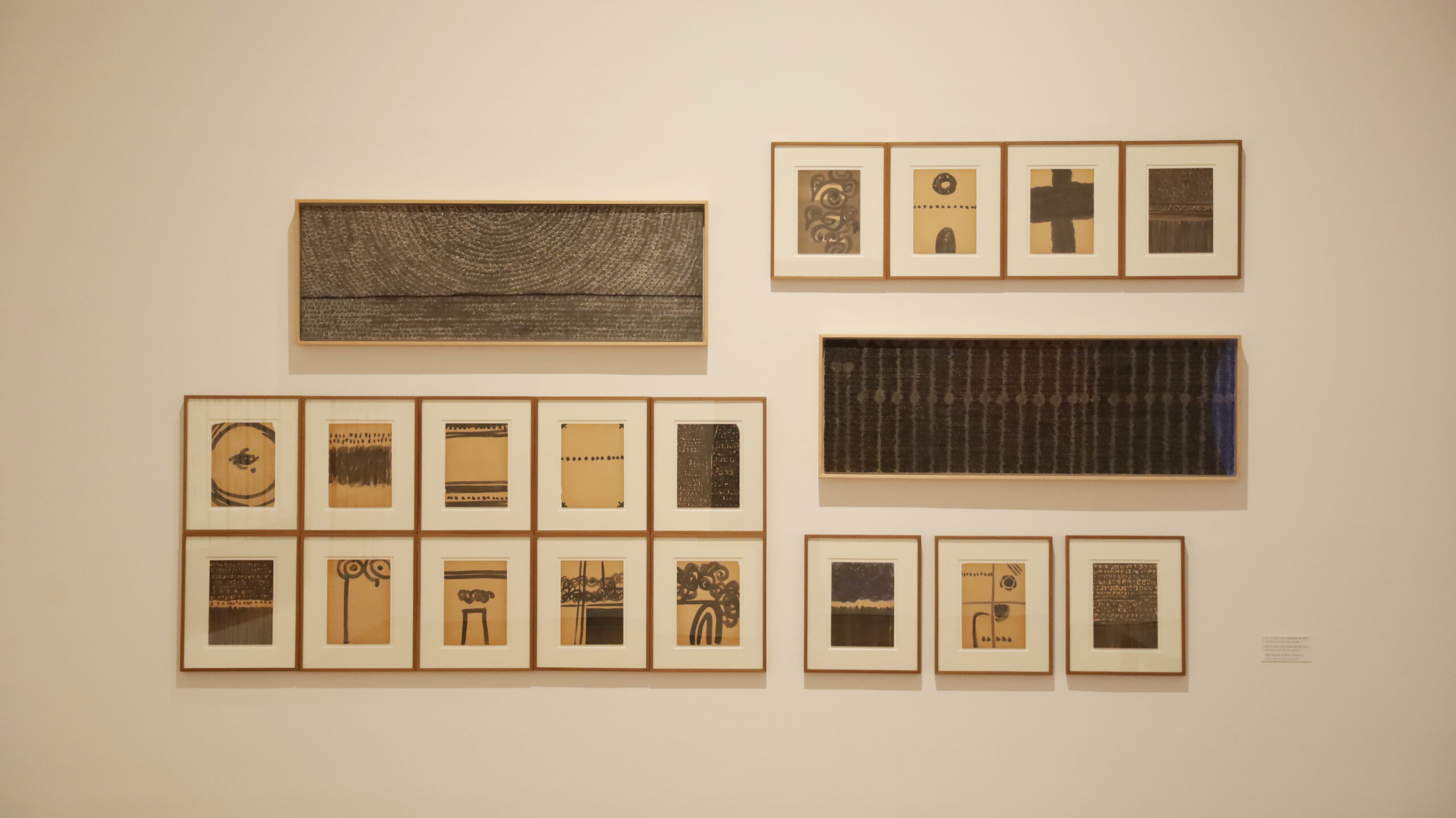
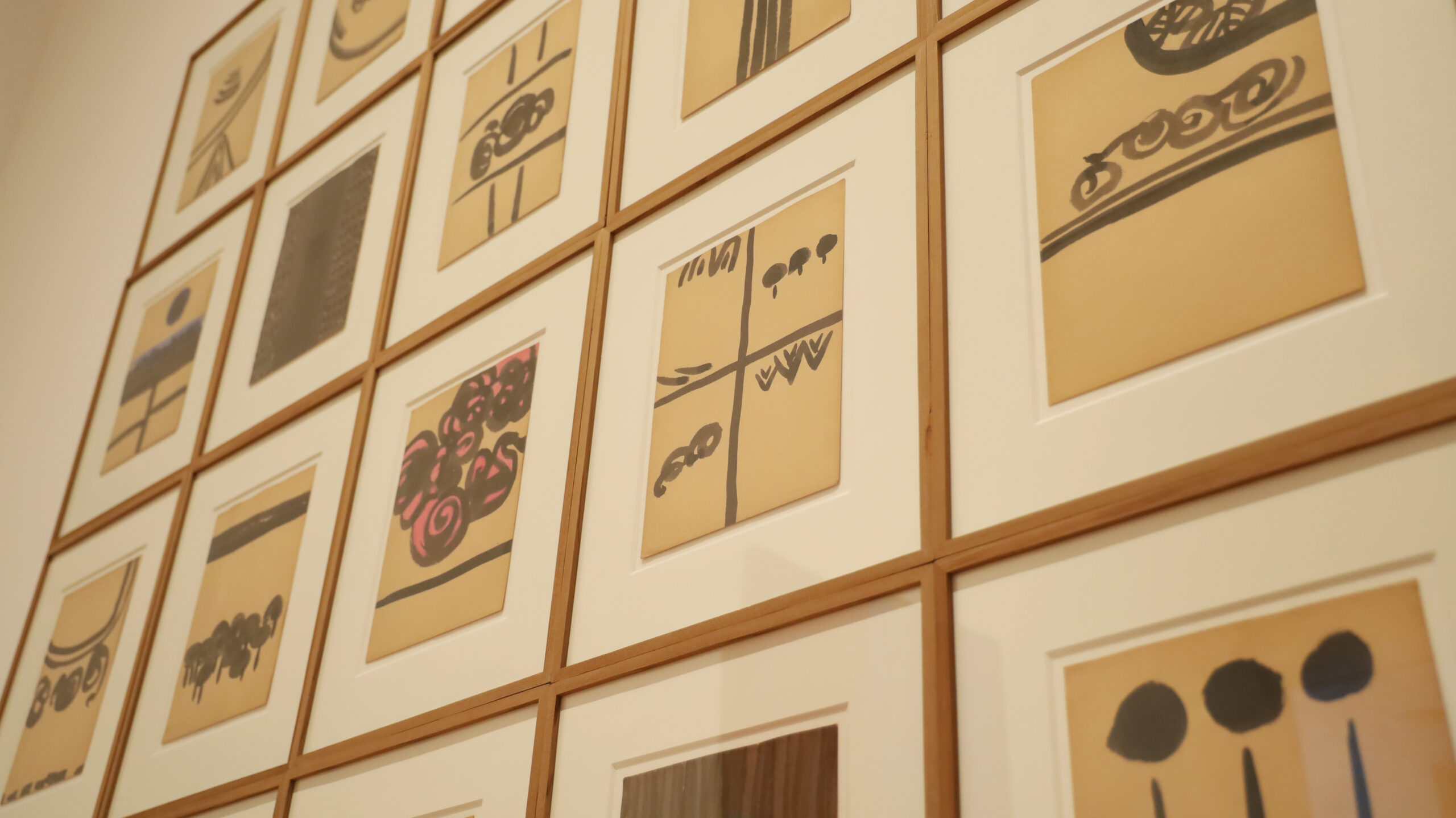
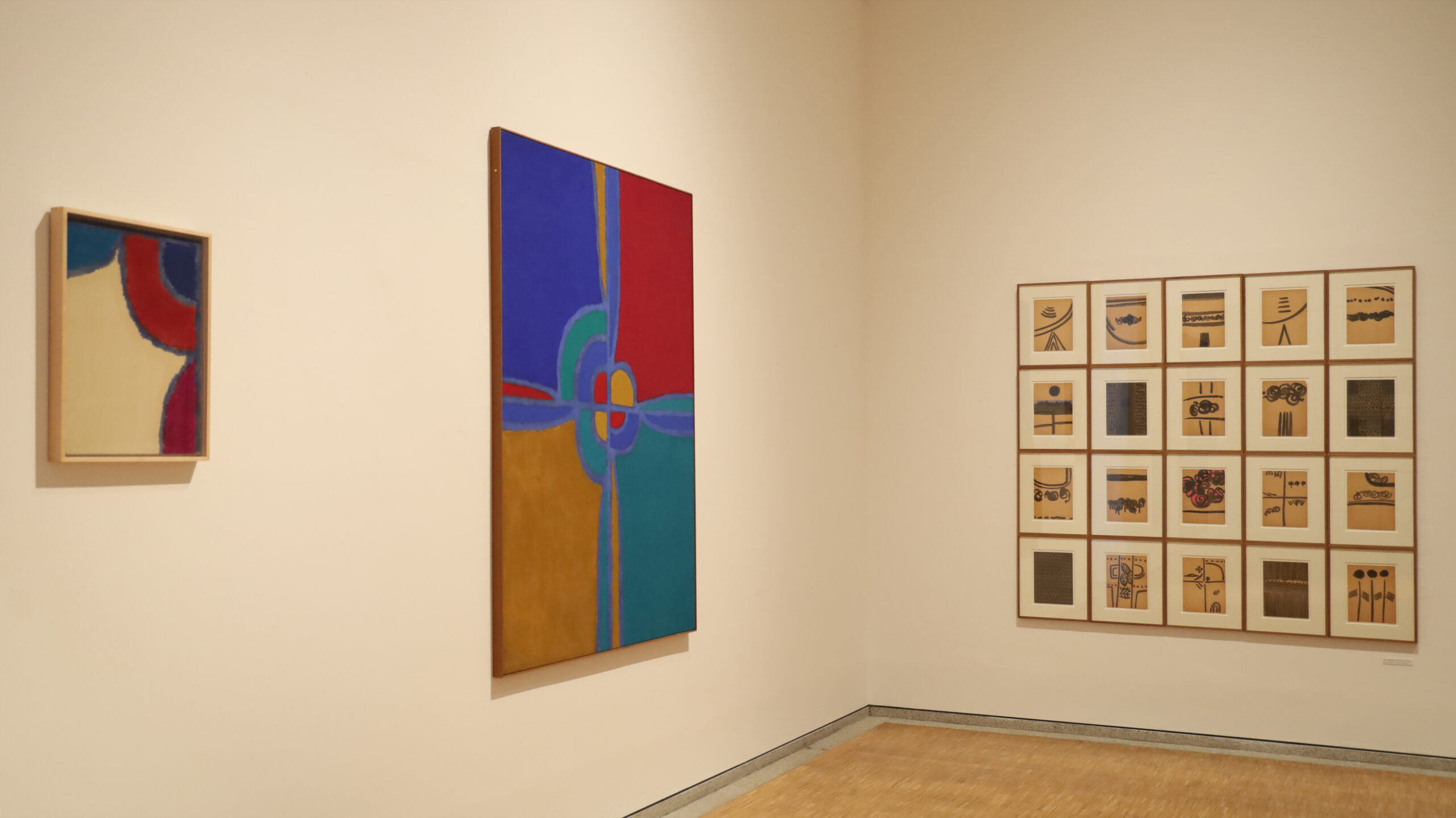
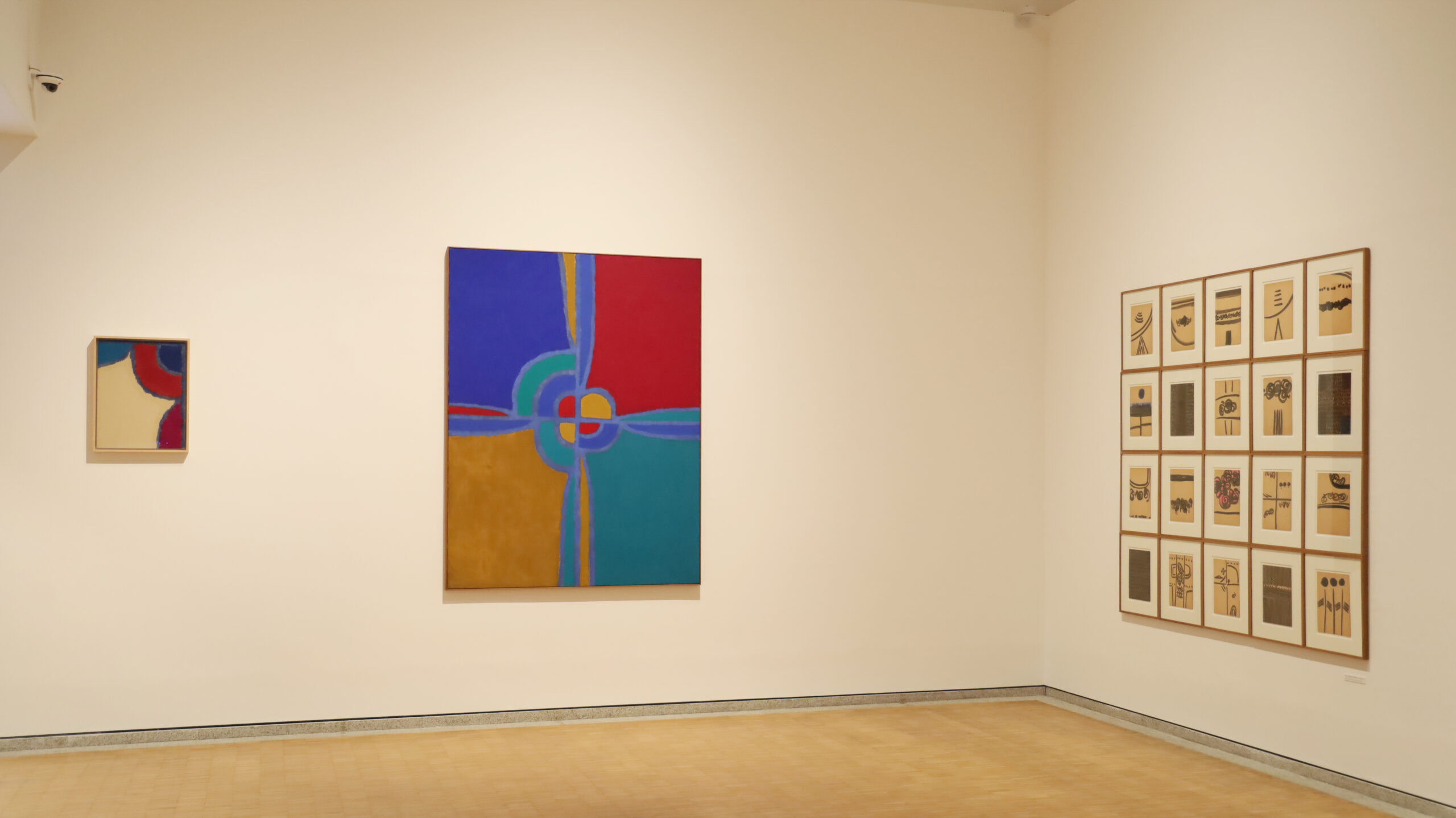
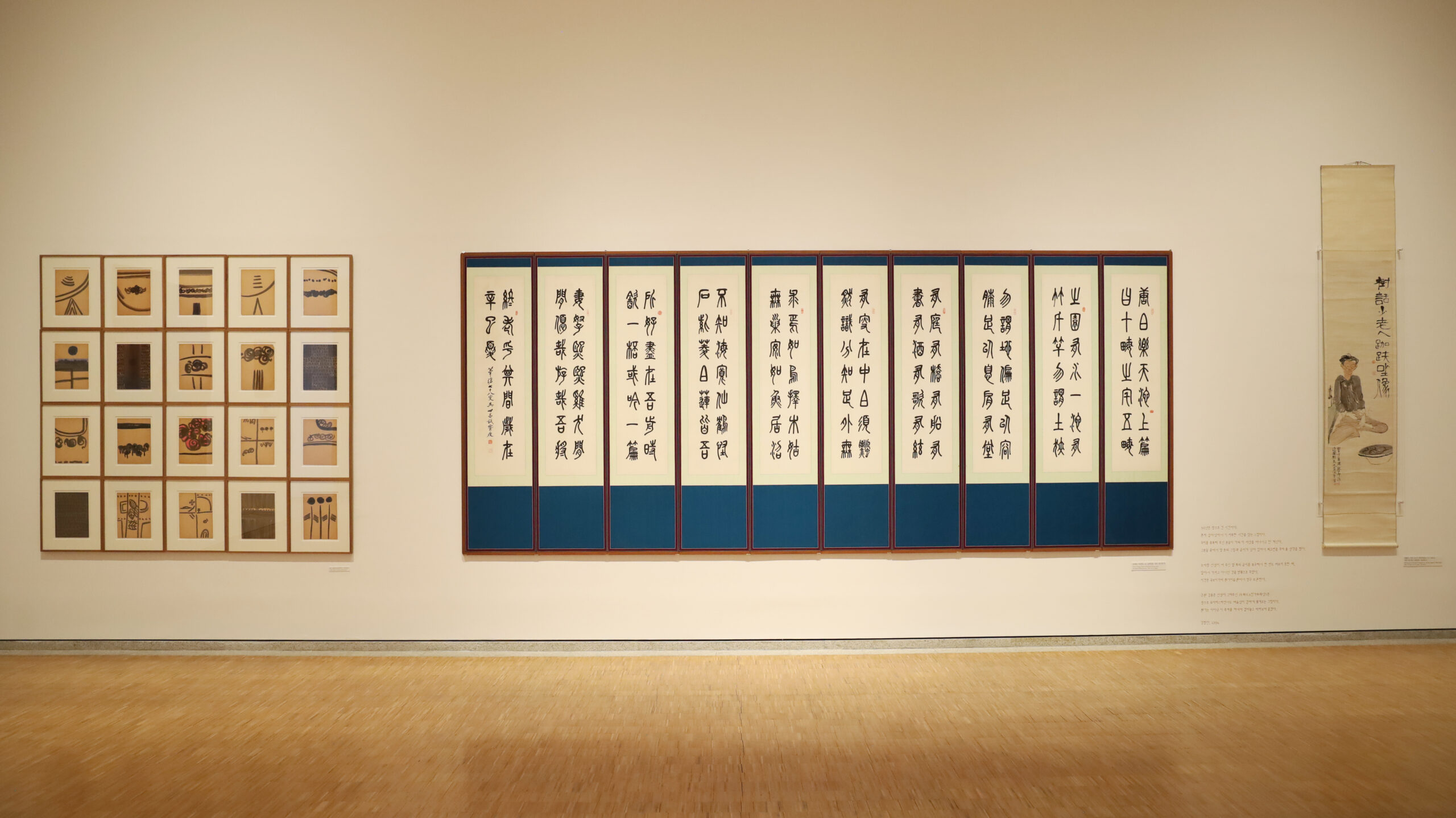
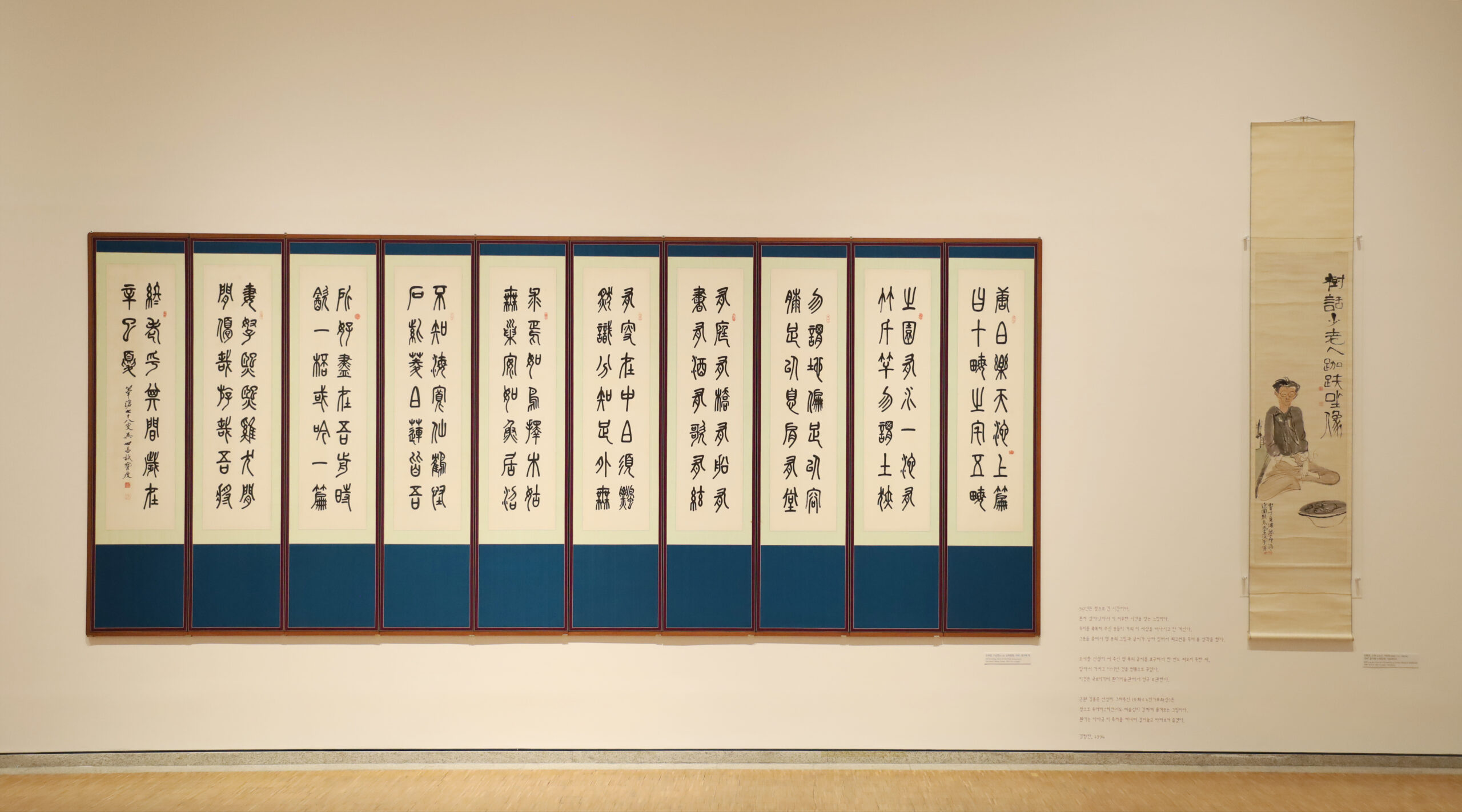
WHANKI MUSEUM Highlights II, the museum’s special exhibition drawn from its own collection, centers on his New York period work. Whanki’s aesthetic sense first took root in his collecting of traditional wooden furniture and ceramics. Shaped over time by his artistic journey, the marks of his era, and relentless artistic inquiry, it gradually expanded into a new visual language. Kim HyangAn remained by his side throughout that journey, cataloging, organizing, and preserving his work. This exhibition follows her eye. It moves beyond a single artist’s creative trajectory to ask a broader question: what time, memory, and care actually went into building the collection the Whanki Museum holds today.
There was much to regret about Kim Whanki’s life as an artist.
First, that most of the works from his Tokyo period (1933-1937), perhaps his most vibrant years as an artist, have not survived.
In 1953, when we returned from our wartime refuge, the canvases we had left behind in the Seongbuk-dong studio were out on the street beyond the gate.
Some were picked up by the neighborhood children, and a local laborer tore others apart, washed them, and made cool hemp summer clothes to wear.
As his career suggests, during his Seoul period (1940-1956, 1959-1963), Kim Whanki held positions as an art educator and civil servant, serving as President of the Korean Fine Arts Association and Vice Chairman of the Korean Federation of Culture and Arts Organizations. It was perhaps his most constrained period as an artist.
Although he worked in the arts throughout his life, the only years he truly lost himself in his work were three years in Paris (1956-1959) and eleven years in New York (1963-1974). What remains, too, is nothing but the work from those years.
Kim HyangAn, A Man Passes Away But His Art Still Remains